
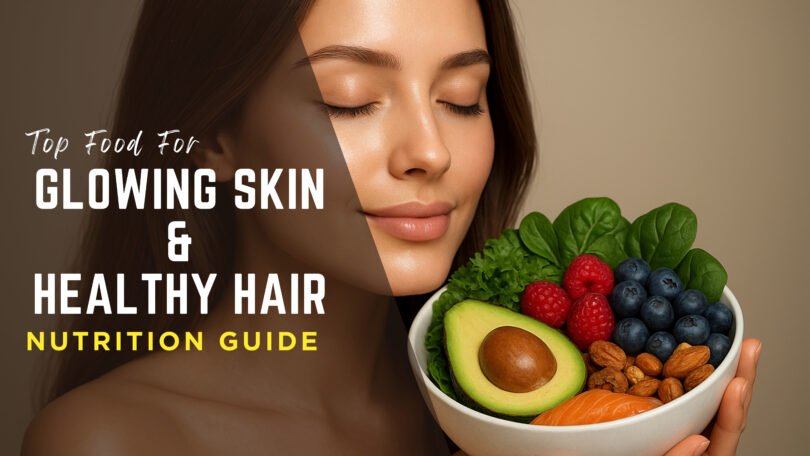

In today’s beauty-conscious world, our first instinct for better skin and hair often leads us to external products—creams, serums, oils, and treatments that promise overnight miracles. While these can play a supportive role, the truth is that the most powerful beauty booster is what we put into our bodies. Skin and hair are living tissues that reflect our internal health. A nutrient-rich diet feeds them from the inside, creating results that are not only visible but also long-lasting.
Think of your body as a garden. You can polish the leaves, but unless the roots get water and nutrients, the plant will eventually wither. The same applies to your skin and hair—their ‘roots’ are in your bloodstream, nourished by the food you eat. A glowing complexion, thick hair, and youthful elasticity are the natural outcomes of consistently supplying your body with the building blocks it needs.
Why Is Nutrition Important for Hair and Skin?
Skin and hair cells are among the fastest regenerating in your body. Skin renews itself approximately every 28–40 days, while hair grows at an average rate of 1–1.5 cm per month. This high turnover means they need a constant supply of vitamins, minerals, protein, and healthy fats. If the diet falls short, the body prioritises vital organs over skin and hair, leading to visible changes such as dryness, dullness, or hair loss.
Common signs of nutrient deficiency include:
- Dry or flaky skin that struggles to hold moisture
- A dull, tired-looking complexion
- Premature fine lines and wrinkles
- Hair thinning, shedding, or breakage
- Brittle nails accompanying poor hair health
On the other hand, a well-balanced diet can lead to:
- Increased collagen and elastin production for youthful skin
- Better hydration and a plump, smooth texture
- Stronger hair follicles that reduce shedding
- Lower skin inflammation, meaning fewer breakouts
- Enhanced overall glow and vibrancy
Essential Nutrients for Radiant Skin and Strong Hair
Essential nutrients are the secret glow-makers—fueling radiant skin and strengthening every strand of hair from within.
Protein- The Building Block
Keratin, the protein that makes up your hair, and collagen and elastin, the proteins that form your skin structure, all depend on adequate protein intake. A diet low in protein can lead to thinning hair, sagging skin, and slow healing. For vegetarians, plant proteins such as legumes and quinoa are excellent. For non-vegetarians, eggs and fish offer complete amino acid profiles.

Sources: Lentils, Legumes, Tofu, Paneer, Eggs, Milk, Quinoa, Fish
⭐ Best Source: Eggs
Practical Tip: Add boiled eggs to breakfast, a bowl of lentil soup for lunch, or grilled fish for dinner to ensure steady protein intake.
Omega-3 Fatty Acids – Nature’s Moisturizer
These healthy fats create a barrier in the skin to lock in moisture and reduce redness. For the scalp, omega-3s improve circulation and fight dandruff-causing inflammation. Vegetarians can opt for flaxseeds and walnuts, while fatty fish remains the richest source for non-vegetarians.
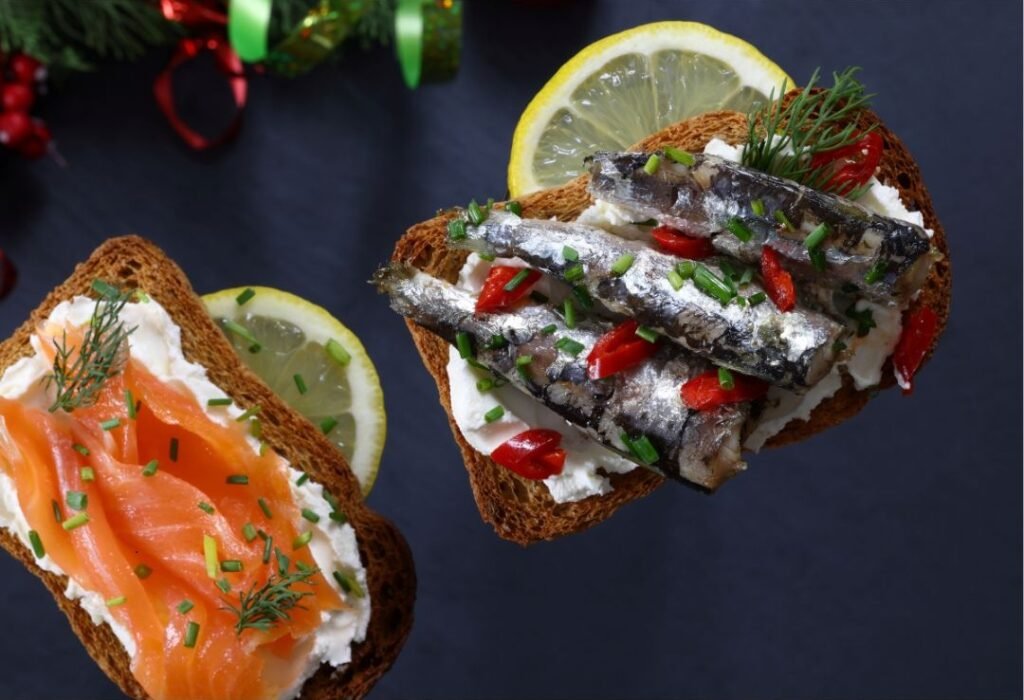
Sources: Flaxseeds, Walnuts, Chia seeds, Fatty fish (salmon, sardines)
⭐ Best Source: Fatty fish (salmon, sardines)
Practical Tip: Sprinkle chia seeds over yogurt or blend flaxseeds into smoothies. Non-vegetarians can include grilled salmon twice a week.
Vitamin C – The Collagen Booster
Vitamin C is a potent antioxidant that shields skin from environmental damage while stimulating collagen synthesis for firmness. It also enhances iron absorption, preventing anaemia-linked hair fall.
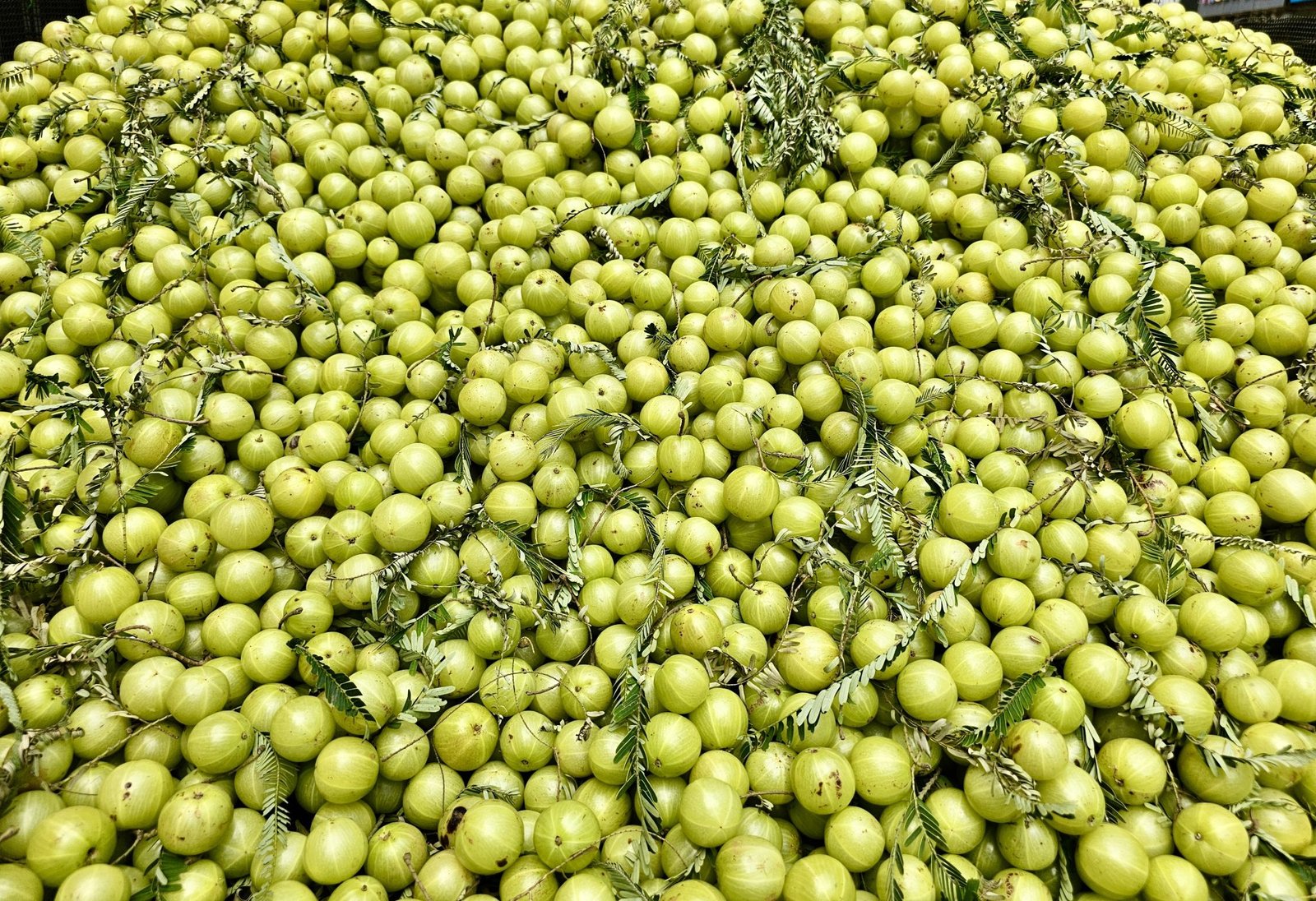
Sources: Amla, Oranges, Guava, Lemon, Strawberries, Bell peppers
⭐ Best Source: Amla
Practical Tip: Have fresh amla juice in the morning or snack on guava for a vitamin C boost.
Vitamin A – For Skin Renewal
This vitamin accelerates skin cell turnover, giving a fresher, smoother appearance. It also regulates oil production on the scalp to keep hair moisturised. Both deficiency and excess can cause problems, so stick to whole food sources.
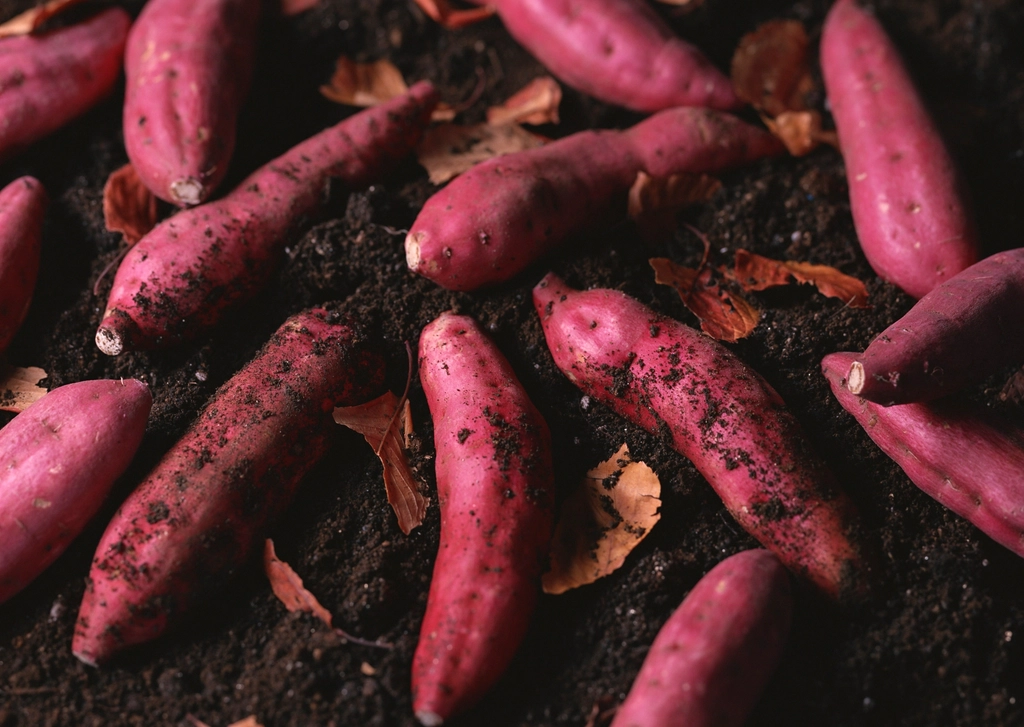
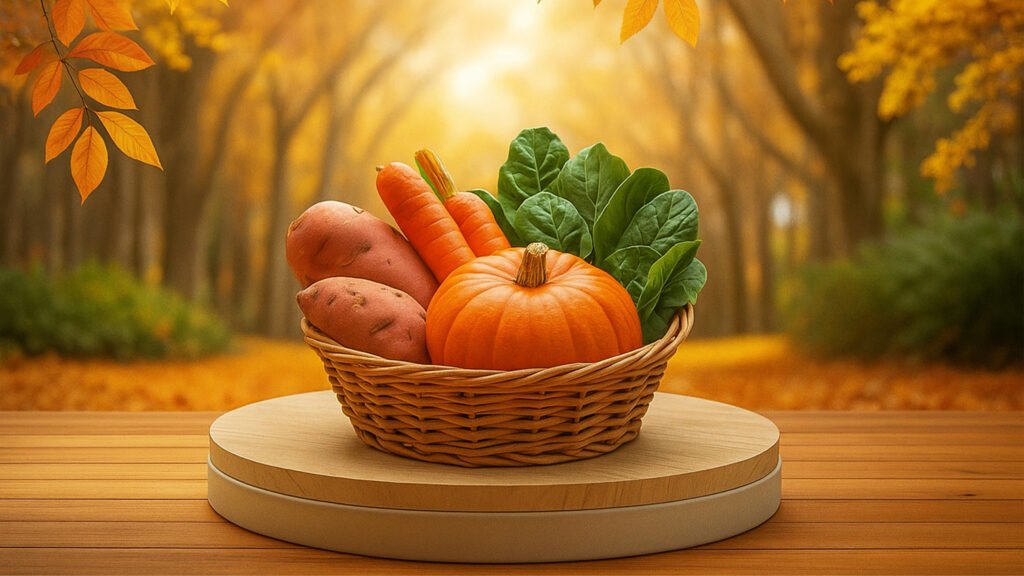
Sources: Carrots, Sweet potatoes, Spinach, Pumpkin, Mangoes
⭐ Best Source: Sweet potatoes
Practical Tip: Roast sweet potatoes as a side dish or add pumpkin puree to soups for a vitamin A boost.
Biotin (Vitamin B7) – Hair Strength Hero
Biotin is essential for keratin production, which strengthens hair and nails. While deficiency is rare, increasing biotin intake can improve hair thickness and reduce breakage.
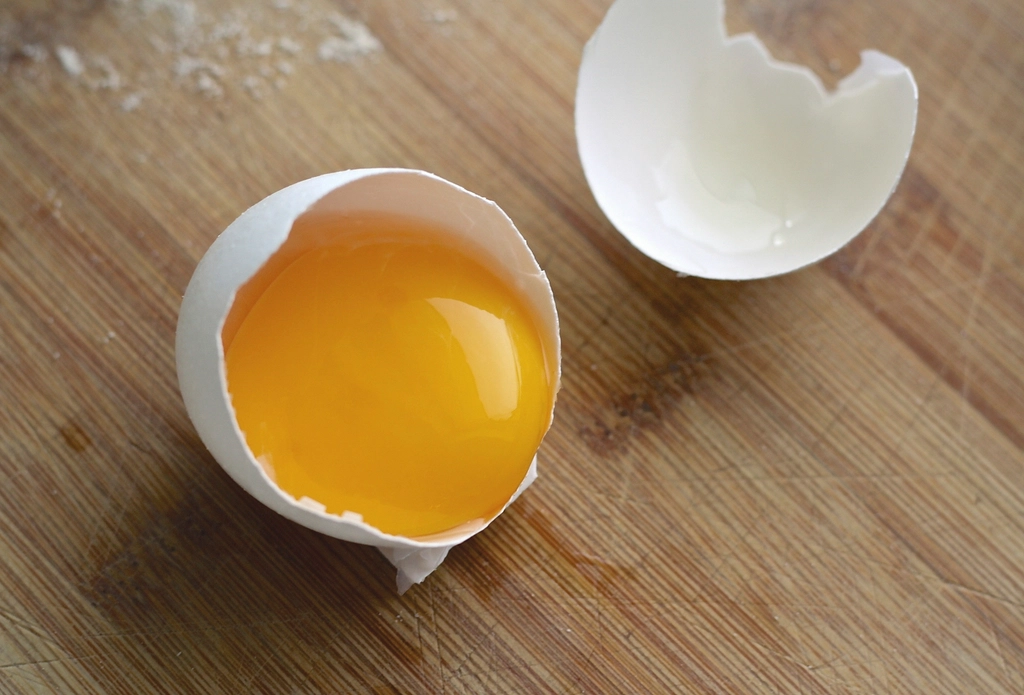
Sources: Egg yolk, Almonds, Mushrooms, Spinach, Oats
⭐ Best Source: Egg yolk
Practical Tip: Include a spinach and mushroom omelette or almond smoothie in your routine.
Iron – For Follicle Oxygenation
Iron ensures oxygen-rich blood reaches hair follicles and skin cells. Deficiency, especially common in women, leads to fatigue, pale skin, and hair loss.
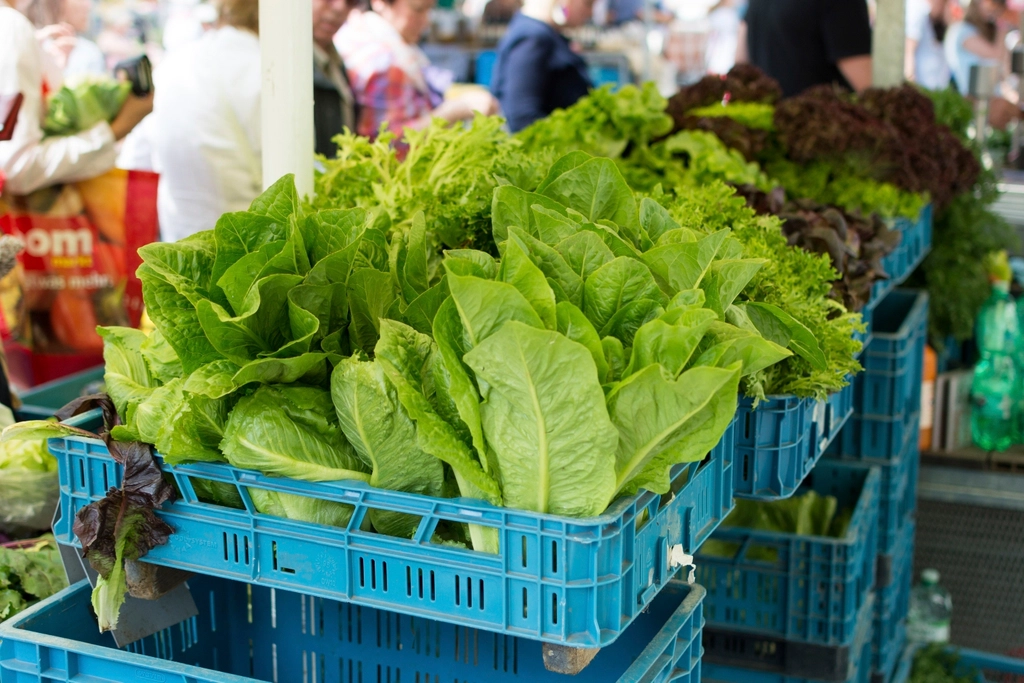
Sources: Green leafy vegetables, Jaggery, Dates, Pomegranates, Legumes
⭐ Best Source: Spinach
Practical Tip: Pair spinach with lemon juice to enhance iron absorption.
Zinc – For Repair and Glow
Zinc supports wound healing, controls oil production, and strengthens hair shaft integrity. Low zinc levels can trigger acne flare-ups and slow hair growth.
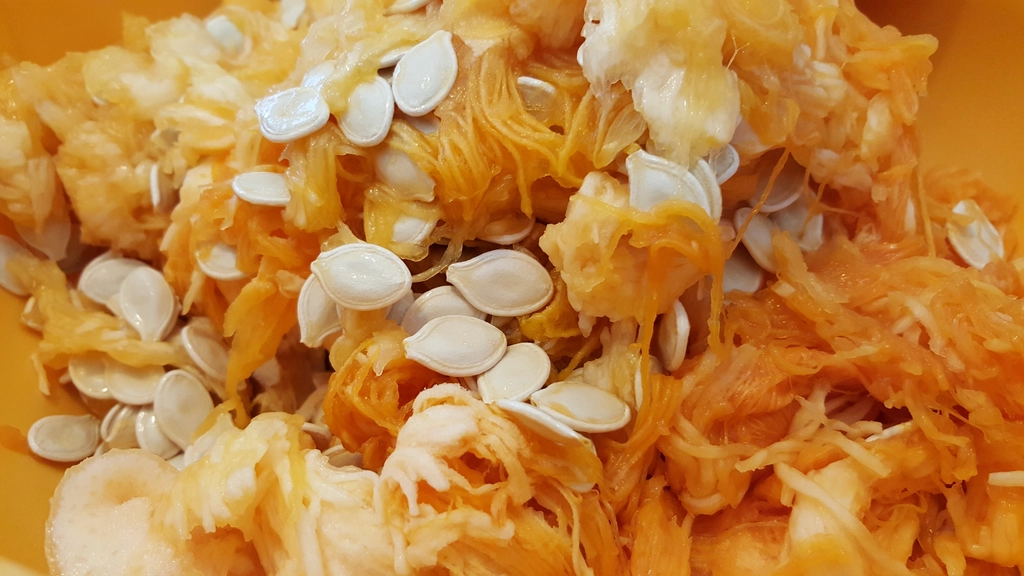
Sources: Pumpkin seeds, Chickpeas, Whole grains, Cashews, Dairy
⭐ Best Source: Pumpkin seeds
Practical Tip: Snack on roasted pumpkin seeds or sprinkle them over salads.
Water – The Ultimate Elixir
Hydration keeps skin elastic and flushes out toxins. Dehydration shows up as dullness, fine lines, and brittle hair.
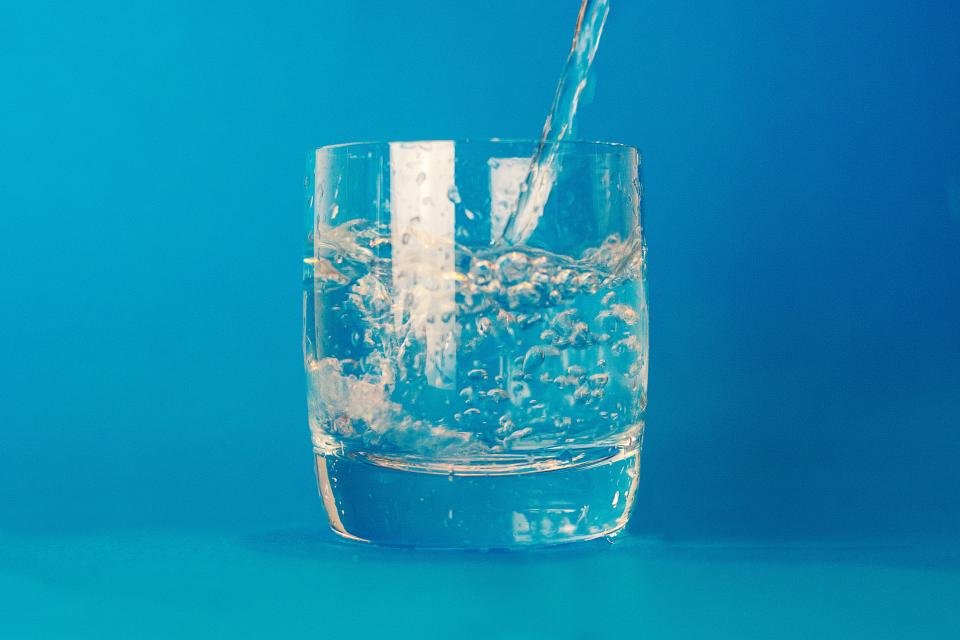
Sources: Plain water, Infused water with lemon/mint/cucumber
⭐ Best Source: Plain filtered water
Practical Tip: Aim for 8–10 glasses daily, and try infused water with cucumber or mint for variety.
What to Avoid for Healthy Skin and Hair
Even the best foods can’t work their magic if certain harmful dietary habits are still present. These can undo progress by causing inflammation, dehydration, and nutrient depletion:
- Refined sugars – cause blood sugar spikes, triggering acne and inflammation
- Excessive caffeine – acts as a diuretic, reducing skin moisture
- Highly processed foods – high in trans fats that impair skin healing
- Alcohol – depletes vitamin A and strips skin of moisture
- Crash diets – lead to hair shedding and skin dullness due to sudden nutrient loss
Lifestyle Habits That Support Skin & Hair Health
- Sleep 7–8 hours nightly for natural skin repair and hormone balance.
- Exercise 4–5 times a week to boost blood flow to skin and scalp.
- Protect against sun damage with SPF 30 or higher daily.
- Avoid harsh shampoos, sulfates, and chemical hair treatments.
- Practice stress management with yoga, meditation, or breathing exercises.
Conclusion: Glow Starts from the Gut
Beautiful hair and skin are built meal by meal, not jar by jar. By nourishing your body with proteins, vitamins, minerals, and healthy fats, and avoiding inflammatory foods, you create a foundation for beauty that no product can replicate. Hydration, consistent nutrition, and healthy lifestyle habits work together to give you the glow and strength you desire. Remember, when you take care of your inside, it always shows on the outside.
FAQs
Q1. Which foods are best for glowing skin?
A1. Foods rich in Vitamin C (amla, oranges, guava), Omega-3 fatty acids (flaxseeds, walnuts, salmon), and antioxidants (berries, leafy greens) are excellent for radiant skin.
Q2. How can I make my hair grow faster naturally?
A2. A diet rich in protein, biotin, and iron supports hair growth. Eggs, spinach, almonds, and lentils are particularly effective. Staying hydrated and reducing stress also helps.
Q3. Can biotin really improve hair health?
A3. Yes, biotin supports keratin production, which strengthens hair and nails. While deficiency is rare, including biotin-rich foods like eggs, nuts, and oats can improve hair strength.
Q4. What vitamin is most important for skin health?
A4. Vitamin C is crucial for collagen production and skin elasticity. It protects against free radical damage and promotes a youthful glow.
Q5. How much water should I drink for healthy skin and hair?
A5. Aim for at least 8–10 glasses (2–2.5 liters) of water daily. Proper hydration keeps skin plump, reduces fine lines, and prevents hair dryness.
Q6. Does diet affect acne and breakouts?
A6. Yes, diets high in refined sugar, junk food, and processed oils can trigger inflammation and acne. Eating whole foods, fruits, and veggies can reduce breakouts.
Q7. Can vegetarian diets support strong hair and skin?
A7. Absolutely! Plant-based foods like lentils, quinoa, leafy greens, nuts, and seeds provide essential protein, iron, zinc, and vitamins for healthy hair and skin.
Q8. Which nutrients help slow skin aging?
A8. Antioxidants like Vitamin C, Vitamin A (beta-carotene), and Omega-3 fatty acids reduce oxidative stress, keeping skin youthful and reducing wrinkles.
Q9. Is protein really necessary for skin and hair?
A9. Yes, protein is the building block of keratin (hair) and collagen (skin). Without enough protein, hair becomes brittle and skin loses elasticity.
Q10. What foods should I avoid for better skin and hair?
A10. Limit refined sugar, alcohol, processed foods, and excessive caffeine, as they can dehydrate the skin, damage collagen, and weaken hair.