

In today’s fast-paced corporate world, professionals often juggle tight deadlines, back-to-back meetings, and long commutes. Amidst all this, healthy eating usually takes a backseat. Quick fixes like coffee, chips, or takeout meals become the norm, but over time, they lead to low energy, poor concentration, weight gain, and even lifestyle-related health problems.
The truth is: eating healthy doesn’t have to be time-consuming or complicated. With the right nutrition hacks, even the busiest professionals can fuel their bodies, stay productive, and perform at their best.
In this blog, we’ll uncover practical, science-backed nutrition strategies that fit seamlessly into a busy lifestyle.
Why Nutrition Matters for Professionals
Before we dive into the hacks, let’s understand why eating right is so important for working individuals:
- Boosts Productivity – Balanced meals improve focus, creativity, and mental clarity.
- Prevents Fatigue – Nutrient-rich foods stabilize blood sugar and reduce afternoon slumps.
- Manages Stress – Certain foods reduce cortisol (stress hormone) and support mental well-being.
- Supports Long-Term Health – Prevents lifestyle diseases like diabetes, hypertension, and obesity.
Simply put, better nutrition = better performance at work and beyond.
Smart Nutrition Hacks for Busy Professionals
Smart Nutrition Hacks for Busy Professionals
Here are the most practical, time-saving hacks that will help you eat healthy without disrupting your busy schedule:
1. Start Your Day with a Power Breakfast
Skipping breakfast is common among busy professionals, but it’s one of the biggest energy killers. A nutrient-dense breakfast kickstarts metabolism and provides steady fuel for the day.
Quick Hacks:
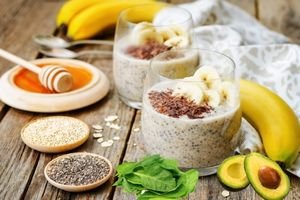
- Overnight oats with chia seeds and fruit.
- Smoothie with banana, spinach, protein powder, and almond milk.
- Whole-grain toast with avocado and boiled eggs.
👉 Rule: Aim for protein + fiber + healthy fat to prevent mid-morning hunger.
2. Master the Art of Meal Prepping
Cooking daily may feel impossible, but meal prepping once or twice a week saves time and ensures healthier choices.
Tips for Success:

- Cook in batches: grilled chicken, quinoa, lentils, or roasted vegetables.
- Store portions in airtight containers.
- Keep ready-to-eat options like boiled eggs, yogurt, or hummus.
👉 Hack: Spend 2 hours on Sunday meal prep and save 10+ hours during your workweek.
3. Stock Up on Smart Snacks
Unhealthy snacking (biscuits, chips, chocolates) is one of the biggest culprits behind low energy and weight gain. Keep nutritious, grab-and-go snacks at your desk or bag.
Smart Snack Ideas:
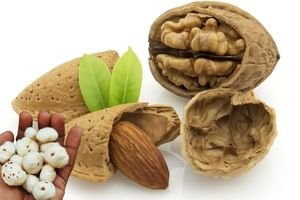
- Almonds, walnuts, or pumpkin seeds.
- Roasted chickpeas or makhana (fox nuts).
- Fruit with peanut butter.
- Greek yogurt cups.
👉 Rule: Choose snacks with protein and fiber to keep energy stable.
4. Stay Hydrated, Not Just Caffeinated
Many professionals mistake thirst for hunger or rely heavily on coffee. While caffeine gives a temporary boost, water is the real energy fuel. Dehydration can cause headaches, fatigue, and poor concentration.
Hydration Hacks:

- Keep a reusable water bottle at your desk.
- Infuse water with lemon, cucumber, or mint for flavor.
- Aim for at least 2–2.5 liters daily.
👉 Rule: For every cup of coffee, drink one glass of water.
5. Upgrade Your Lunch Choices
Heavy, greasy lunches often cause the dreaded “afternoon slump.” The key is to eat a meal that is filling but light enough to keep you active.
Better Lunch Combos:

- Brown rice + lentils + salad.
- Quinoa + grilled paneer/chicken + sautéed veggies.
- Multigrain roti + sabzi + curd.
👉 Hack: Use the “half-plate rule” – fill half your plate with vegetables for fiber and antioxidants.
6. Plan for Healthy Office Dining
If you eat out often due to work, you can still make smart choices.
Restaurant Hacks:

- Choose grilled, steamed, or baked dishes instead of fried.
- Ask for dressings/sauces on the side.
- Swap soda for water or sparkling water.
- Opt for smaller portions or share dishes.
👉 Rule: Follow the 80-20 principle – 80% healthy meals, 20% indulgence.
7. Balance Coffee with Nutrient Boosters
Coffee isn’t bad—but overdependence leads to energy crashes. Pair it with nutrient-dense foods to prevent jitters.
Smart Pairings:

- Coffee + handful of nuts.
- Green tea + fruit.
- Herbal teas (chamomile, peppermint) for stress relief.
👉 Hack: Limit caffeine to 2 cups daily and switch to herbal tea after 4 pm.
8. Embrace Portable Meals
Busy days often mean missed meals. Instead of skipping, carry portable options:

- Protein bars (choose low sugar).
- Fruit + nut butter packs.
- Wraps with whole wheat roti and paneer/egg filling.
- Salad jars with chickpeas and veggies.
👉 Hack: Always keep a backup snack in your work bag.
9. Mindful Eating Even at Work
Multitasking during meals (checking emails or attending calls) leads to overeating. Practicing mindful eating can improve digestion and prevent fatigue.
Tips:

- Take at least 10 minutes away from screens to eat.
- Chew slowly to avoid bloating.
- Notice hunger and fullness signals.
👉 Rule: “Eat when you eat” – avoid mixing food time with work time.
10. Don’t Skip Dinner – Keep It Light
Late-night work often leads to either heavy dinners or skipping the meal altogether. Eating too much late at night can disrupt digestion and affect sleep quality, while skipping dinner can leave you feeling drained and low on energy the next day. Opt for a light, balanced dinner with protein, vegetables, and healthy fats to support restful sleep and sustained energy for tomorrow.
Healthy Dinner Ideas:

- Soup + whole-grain bread.
- Stir-fried vegetables with tofu or paneer.
- Moong dal khichdi with salad.
👉 Hack: Finish dinner at least 2 hours before bedtime for better digestion.
Lifestyle Add-ons for Extra Energy
Alongside nutrition, simple lifestyle tweaks can supercharge your energy:
- Exercise 20–30 minutes daily – boosts circulation and mental clarity.
- Prioritize sleep (7–8 hours) – your body needs repair time.
- Manage stress – deep breathing, yoga, or journaling can help.
Conclusion
Being busy doesn’t mean you have to compromise on your health. With simple, practical strategies—like meal prepping in advance, choosing nutrient-dense snacks, keeping portable meals on hand, and staying properly hydrated—you can consistently fuel your body with the nutrients it needs to remain sharp, productive, and energized throughout the day.
Healthy eating isn’t about spending extra hours in the kitchen or following complicated diets. It’s about making smarter choices with the time and resources you already have. By planning ahead, being mindful of portion sizes, and prioritizing nutrient-rich foods, you can support your energy, focus, and overall well-being, even on the busiest of days. In essence, small, consistent efforts in nutrition translate into big gains in productivity, vitality, and long-term health.
fAQs
1. Why do busy professionals often struggle with healthy eating?
Hectic schedules, back-to-back meetings, and long commutes make quick fixes like coffee, chips, or takeout more tempting—but these lead to fatigue and poor productivity over time.
2. Is skipping breakfast really that harmful?
Yes! Skipping breakfast slows metabolism and triggers mid-morning energy crashes. A protein + fiber + healthy fat combo (like oats, smoothie, or eggs with toast) is the best start.
3. How can I eat healthy if I don’t have time to cook daily?
Meal prepping once or twice a week is a game-changer. Cooking in batches and storing portions helps you avoid last-minute junk food choices.
4. What are some smart snacks I can keep at my desk?
Almonds, roasted chickpeas, Greek yogurt, or fruit with nut butter keep you full, stabilize blood sugar, and prevent junk cravings.
5. Can coffee replace water for hydration?
No. Coffee may boost alertness, but overconsumption causes dehydration and energy crashes. Balance each cup of coffee with a glass of water.
6. How do I avoid the “afternoon slump” after lunch?
Choose lighter, balanced meals like brown rice with dal and salad, or quinoa with grilled paneer and veggies. Avoid heavy, greasy lunches.
7. I eat out a lot due to work—how can I make better choices?
Go for grilled or steamed dishes, keep sauces on the side, swap soda for water, and use the 80-20 rule (mostly healthy, with room for some indulgence).
8. What can I do on days when I miss meals?
Carry portable meals like salad jars, protein bars (low sugar), or wraps. These prevent energy dips and poor food choices.
9. Does multitasking while eating really affect my health?
Yes—eating while working or scrolling leads to overeating and poor digestion. Taking even 10 mindful minutes improves satiety and energy.
10. What’s the healthiest way to manage late-night dinners?
Keep them light and early. Soups, stir-fried veggies, or moong dal khichdi work well. Always aim to finish dinner at least 2 hours before bed.