


In today’s competitive world, where multitasking has become the norm and distractions are endless, maintaining sharp focus and a strong memory is essential. Whether you are a student preparing for exams, a working professional juggling multiple deadlines, or someone looking to maintain cognitive health as you age, what you eat directly influences how well your brain performs.
Think of your brain as a high-performance engine—it requires premium fuel to run smoothly. Just like poor-quality fuel clogs a car’s system, a diet rich in processed foods, refined sugar, and unhealthy fats can cloud your thinking, reduce concentration, and accelerate memory loss. On the other hand, a nutrient-rich diet acts like superfuel for your brain, enhancing learning ability, sharpening focus, and even protecting against long-term neurological disorders.
Over the past decade, scientific research has consistently shown the connection between nutrition and brain health. Studies link omega-3 fatty acids with improved memory, antioxidants with reduced brain aging, and vitamins with enhanced neurotransmitter function. Even hydration levels play a key role in how alert and productive you feel on a daily basis.
In this article, we’ll explore the most effective diet strategies for focus and memory, highlighting the foods, nutrients, and eating habits that nourish your brain and help you perform at your best—both mentally and physically.
Why Nutrition Matters for Brain Health
The brain may only weigh about three pounds, but it is the most energy-demanding organ in the body. Despite making up just 2% of your body weight, it consumes nearly 20% of your daily calorie intake. Every thought, memory, and decision requires a constant supply of nutrients and energy. Without proper nutrition, the brain struggles to function, leading to symptoms such as brain fog, poor concentration, mood swings, forgetfulness, and even long-term cognitive decline.
How food impacts brain performance
- Energy Supply: Whole foods and complex carbs provide steady glucose, keeping your brain energized and focused.
- Neurotransmitter Production: Vitamins and amino acids fuel mood-boosting chemicals like serotonin and dopamine.
- Protection Against Oxidative Stress: Antioxidants from fruits and greens shield brain cells from free-radical damage.
- Healthy Brain Structure: Omega-3 fats strengthen brain cell membranes, improving memory and communication.
- Blood Flow and Oxygen Supply: Nutrient-rich foods enhance circulation, ensuring your brain gets enough oxygen to stay sharp.
1. Omega-3 Fatty Acids: The Building Blocks of Brain Cells
Why they matter:
Omega-3 fatty acids, particularly docosahexaenoic acid (DHA), are crucial components of brain cell membranes. They enhance communication between neurons, reduce inflammation, and protect against neurodegenerative diseases like Alzheimer’s. Studies show that people with higher omega-3 intake have better memory, faster problem-solving skills, and lower risk of depression.
Food sources:

- Fatty fish: Salmon, sardines, mackerel, and tuna
- Plant-based options: Walnuts, chia seeds, flaxseeds, hemp seeds
- Supplements: Fish oil or algal oil (for vegetarians/vegans)
Practical tip: Aim for at least 2–3 servings of fatty fish per week, or add a tablespoon of ground flaxseeds to your morning smoothie. Vegans can use algal oil supplements to meet DHA requirements.
2. Antioxidant-Rich Foods: Fighting Free Radicals
Why they matter:
The brain is highly susceptible to oxidative stress due to its high oxygen consumption. Over time, free radicals damage neurons, leading to memory loss and reduced mental agility. Antioxidants neutralize these free radicals, protecting brain cells and promoting better blood flow to the brain.
Food sources:

- Berries: Blueberries, blackberries, strawberries (rich in flavonoids that enhance learning and memory)
- Dark chocolate: At least 70% cacao, loaded with polyphenols and magnesium for stress relief
- Green tea: Contains L-theanine, which improves alertness and relaxation simultaneously
- Leafy greens: Spinach, kale, broccoli, all rich in vitamins C and E
Practical tip: Replace sugary snacks with a handful of blueberries and a square of dark chocolate for a guilt-free, brain-boosting treat.
3. Complex Carbohydrates: Sustained Energy for Concentration
Why they matter:
The brain’s primary energy source is glucose, but consuming refined carbs (white bread, pastries, sugary snacks) leads to spikes and crashes in blood sugar. This can cause mental fatigue and lack of focus. Complex carbs digest slowly, providing a steady energy release and keeping you mentally sharp throughout the day.
Food sources:

- Whole grains: Brown rice, quinoa, oats, barley
- Legumes: Lentils, beans, chickpeas
- Root vegetables: Sweet potatoes, beets
- Fruits: Apples, pears, oranges
Practical tip: Start your day with a bowl of oatmeal topped with walnuts and berries to fuel both your body and brain. Replace white bread with whole grain alternatives to keep energy levels stable.
4. B Vitamins: Stress Fighters and Memory Boosters
Why they matter:
B vitamins—especially B6, B12, and folate (B9)—play vital roles in brain chemistry. They support the production of neurotransmitters like serotonin, dopamine, and GABA, which regulate mood, memory, and focus. Deficiency in B vitamins can lead to irritability, poor concentration, and even cognitive decline.
- Vitamin B6: Helps in neurotransmitter production
- Vitamin B12: Supports nerve health and red blood cell formation
- Folate (B9): Assists in DNA repair and memory retention
Food sources:
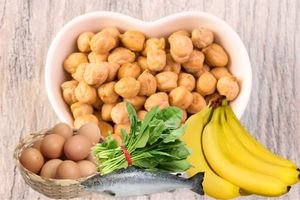
- B6: Chickpeas, bananas, salmon, poultry
- B12: Eggs, dairy, fish, fortified cereals (essential for vegans to supplement)
- Folate: Spinach, kale, asparagus, legumes
Practical tip: Include a variety of whole grains, legumes, and leafy greens in your meals. Vegans and vegetarians should consider B12 supplements, as it is mostly found in animal-based foods.
5. Hydration: Water for Mental Clarity
Why it matters:
Dehydration—even mild—can impair memory, slow reaction times, and reduce attention span. Since the brain is about 75% water, proper hydration is essential for maintaining electrical signaling between brain cells.
Hydration strategies:

- Drink 8–10 glasses of water daily (adjust based on climate and activity)
- Herbal teas like chamomile or peppermint can be refreshing alternatives
- Infuse water with lemon, cucumber, or mint for natural flavor
- Limit excessive caffeine and alcohol, as they contribute to dehydration
Practical tip: Keep a water bottle within reach at your desk. If you struggle to remember, set hourly reminders on your phone to take a sip.
6. Micronutrients That Support Cognitive Function
In addition to macronutrients, several micronutrients are vital for brain performance:
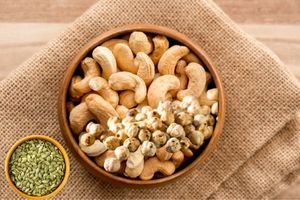
- Magnesium: Reduces stress, calms the nervous system, and supports learning. Found in pumpkin seeds, almonds, dark leafy greens.
- Zinc: Essential for memory formation and nerve signaling. Found in cashews, chickpeas, and pumpkin seeds.
- Iron: Necessary for oxygen transport to the brain. Deficiency can lead to fatigue and reduced concentration. Sources include spinach, lentils, and lean meats.
- Vitamin D: Supports cognitive performance and mood regulation. Get it from sunlight, fortified milk, and mushrooms.
Practical tip: A balanced, colorful plate is usually the best way to cover micronutrient needs. If blood tests show deficiencies, consult a doctor for supplements.
7. Brain-Boosting Eating Habits
Beyond individual nutrients, overall dietary patterns significantly impact brain health.

- Mediterranean Diet: Emphasizes whole grains, olive oil, fish, nuts, and vegetables. Linked with reduced cognitive decline and improved memory.
- DASH Diet (Dietary Approaches to Stop Hypertension): Focuses on low-sodium, high-potassium foods that support healthy blood flow to the brain.
- Mindful Eating: Eating slowly and with awareness improves digestion and prevents overconsumption, indirectly benefiting mental clarity.
Practical tip: Focus on consistency rather than perfection. Even small, daily changes—like replacing sugary drinks with infused water or adding leafy greens to one meal—can have long-term cognitive benefits.
Conclusion
Your brain is your most powerful tool—it shapes how you think, feel, work, and live. Just like muscles need the right fuel to grow stronger, your brain requires specific nutrients to perform at its best. A diet rich in omega-3 fatty acids, antioxidants, complex carbohydrates, vitamins, and minerals provides the foundation for sharp focus, strong memory, and long-term cognitive health.
The best part is, you don’t need exotic superfoods or expensive supplements to nourish your brain. Simple everyday choices—like swapping refined carbs for whole grains, snacking on nuts instead of chips, staying hydrated, or adding leafy greens to your meals—can create lasting improvements in your mental clarity and productivity. Over time, these small, consistent changes add up to big results.
Remember, brain health is not just about avoiding decline in old age—it’s about maximizing your daily performance today. Whether you’re a student aiming for better grades, a professional striving for career success, or someone who simply wants to stay mentally active and alert, your plate can be your greatest ally.
So, the next time you plan your meals, think beyond calories—think about focus, memory, and brainpower. What you eat today can shape how well you think tomorrow.
FAQs
Q1. How does diet affect focus and memory?
A balanced diet rich in omega-3s, antioxidants, vitamins, and minerals provides steady energy, supports neurotransmitter production, and protects brain cells—helping you stay alert, focused, and mentally sharp.
Q2. What are the best foods to improve memory naturally?
Fatty fish, walnuts, chia seeds, berries, leafy greens, whole grains, and dark chocolate are excellent memory-boosting foods backed by scientific research.
Q3. Can hydration really impact brain function?
Yes. Even mild dehydration can reduce concentration, slow reaction times, and affect memory. Drinking enough water daily is essential for mental clarity.
Q4. Are supplements necessary for brain health?
Supplements like omega-3, vitamin B12, or vitamin D may be helpful if your diet lacks these nutrients, but whole foods should always be the first choice. Consult a healthcare provider before starting supplements.
Q5. What diet pattern is best for long-term brain health?
The Mediterranean and DASH diets are highly recommended as they emphasize whole grains, healthy fats, vegetables, nuts, and fish—all linked with better cognitive performance.
Q6. How can I boost my focus during work or study hours through food?
Start your day with a balanced breakfast (like oatmeal with nuts and berries), stay hydrated, choose complex carbs for steady energy, and snack on brain-boosting foods such as fruit, nuts, or dark chocolate.
Q7. Are there foods I should avoid for better brain health?
Yes. Highly processed foods, refined sugars, trans fats, and excessive alcohol can negatively affect memory, focus, and overall brain performance.
Q8. Can diet help reduce stress and improve mood too?
Absolutely. B vitamins, magnesium, and omega-3s play key roles in mood regulation. Eating nutrient-rich foods helps lower stress and supports mental well-being.
Q9. How quickly can I notice improvements in focus after changing my diet?
Results vary by individual, but many people notice better energy, sharper focus, and improved mood within a few weeks of consistently eating nutrient-rich foods. Long-term memory benefits may take months of steady dietary changes.
Q10. Is coffee good or bad for brain health?
Moderate coffee consumption can boost alertness and focus due to caffeine and antioxidants. However, excessive intake may cause jitters, anxiety, or disrupted sleep, which can harm concentration. Balance is key.