

Hydration is one of the most talked-about yet misunderstood aspects of health. Almost everyone has heard the standard advice: “Drink eight glasses of water a day,” or “Avoid coffee—it dehydrates you.” While these statements sound simple, they barely scratch the surface of what hydration truly means. The truth is, staying properly hydrated isn’t just about gulping down water; it’s about understanding your body’s unique needs, your daily activity level, your environment, and even the foods you eat.
Hydration affects every corner of your body and mind. From maintaining energy levels and sharpening concentration to supporting digestion, glowing skin, and a strong immune system, water and fluids play a vital role. Yet, misinformation and old myths often lead people to either underhydrate, overhydrate, or rely on the wrong fluids, thinking they are doing the right thing.
In this article, we go beyond the surface-level advice. We’ll bust common hydration myths, reveal the science-backed facts, and provide practical strategies to ensure your body is truly hydrated. By the end, you’ll understand that hydration is not just a habit—it’s a lifestyle choice that fuels energy, focus, and long-term health.
Myth 1: You Must Drink 8 Glasses of Water Daily
Fact: The “8×8 rule” (eight 8-10 glasses of water per day) is a popular guideline, but it’s not one-size-fits-all. Your fluid needs vary based on body weight, activity level, climate, and overall health. For instance, someone living in a hot climate or engaging in intense physical activity will require more fluids than someone in a cooler environment with a sedentary lifestyle.
Better approach: Aim for 30–35 ml of fluids per kilogram of body weight per day. This total includes water, beverages like milk and tea, and water-rich foods such as watermelon, oranges, and cucumbers. This method ensures personalized hydration tailored to your body’s actual needs.
Myth 2: Thirst Means You’re Already Dehydrated
Fact: Thirst is your body’s natural signal reminding you to drink, not an alarm indicating severe dehydration. For most healthy adults, drinking when thirsty is sufficient to maintain proper hydration.
However, as we age, the body’s thirst mechanism weakens. Older adults may not feel thirsty even when their body needs fluids. In such cases, sipping water regularly throughout the day is recommended, rather than waiting for the sensation of thirst.
💡 Tip: Keep a water bottle handy and take small sips consistently rather than consuming large amounts only when thirsty.
Myth 3: Coffee and Tea Dehydrate You

Fact: While caffeine in coffee and tea has a mild diuretic effect, moderate consumption contributes to daily hydration. The body quickly adapts to regular caffeine intake, and these beverages no longer cause net fluid loss.
✅ Balance tip: Pair each cup of coffee with a glass of water and avoid excessive caffeine, which can cause jitteriness, sleep disruption, or mild dehydration in sensitive individuals. Herbal teas, green tea, and decaffeinated beverages are also excellent hydration options.
Myth 4: Only Water Hydrates You
Fact: Hydration doesn’t come exclusively from plain water. Many beverages and foods contribute significantly to your fluid intake. Examples include:
- Beverages: Milk, coconut water, fruit juices (in moderation), herbal teas, smoothies
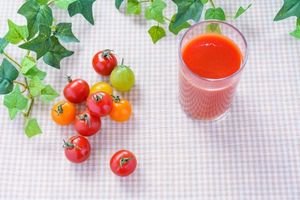
- Water-rich foods: Watermelon, cucumber, oranges, strawberries, spinach, tomatoes
These options not only hydrate but also provide vitamins, minerals, and antioxidants that support overall health.
💡 Pro tip: Incorporate at least 2–3 servings of water-rich fruits or vegetables daily to enhance hydration naturally.
Myth 5: Sports Drinks Are Always Better Than Water

Fact: Sports drinks are specifically formulated for athletes who perform long, high-intensity workouts or for individuals in extremely hot environments. They contain electrolytes and sugars to replace minerals lost through sweat.
For the average person, plain water is sufficient for daily hydration. Regularly consuming sports drinks without physical exertion can lead to unnecessary sugar intake and calorie surplus.
Smart usage: Reserve sports drinks for intense physical activity, prolonged heat exposure, or post-endurance training sessions. For everyday hydration, stick to water, herbal teas, and natural fruit-infused drinks.
Myth 6: You Can’t Drink Too Much Water
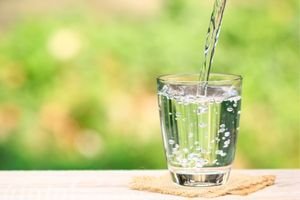
Fact: Overhydration, or drinking excessive water beyond your body’s needs, can lead to hyponatremia, a rare but serious condition where sodium levels in the blood drop dangerously low. This is more common among endurance athletes who consume large amounts of water during extended exercise without replenishing electrolytes.
💡 Rule of thumb: Drink according to thirst cues, maintain a balanced intake of fluids and electrolytes, and avoid forcing yourself to drink excessive amounts. Your body is a reliable guide when approached mindfully.
Signs You May Be Dehydrated
Recognizing dehydration early is crucial because even mild dehydration can affect your energy, focus, and overall health. Here are the most common signs to watch out for:
- Dark Yellow or Amber-Colored Urine: Urine color is one of the simplest indicators of hydration. Pale straw or light yellow usually signals adequate hydration, while dark yellow or amber indicates that your body needs more fluids.
💡 Tip: Keep a reusable water bottle nearby and sip water throughout the day to maintain a light urine color. - Headache or Dizziness: Even mild dehydration can reduce blood volume and oxygen supply to the brain, causing headaches, or dizziness. This is especially common in hot weather or after intense physical activity.
💡 Tip: If you feel a sudden headache or dizziness, drink water slowly and rest in a cool environment. - Fatigue and Poor Concentration: Dehydration affects your energy levels and cognitive function. Feeling unusually tired, sluggish, or unable to focus on tasks could be your body signaling it needs fluids.
💡 Tip: Keep water at your workspace and take small sips regularly rather than waiting until you feel exhausted. - Dry Mouth, Lips, or Skin: A dry, sticky mouth, chapped lips, or rough, tight skin can indicate low fluid levels. These symptoms appear because the body prioritizes vital organs, leaving moisture-deprived tissues exposed.
💡 Tip: Moisturize lips and skin but also increase fluid intake to address the root cause. - Low Urine Output: Urinating infrequently or producing small amounts of dark-colored urine is a clear sign that your body is conserving water. This can be more pronounced if you’re active or exposed to heat.
💡 Tip: Aim to urinate every 3–4 hours, and track your fluid intake if needed. - Rapid Heartbeat or Muscle Cramps: Severe dehydration can affect electrolyte balance, causing a faster heartbeat, muscle cramps, or weakness. This is more likely during intense exercise or in hot climates.
💡 Tip: Replenish fluids and electrolytes, and avoid strenuous activity until rehydrated.
Quick Check: A simple, daily hydration check is to look at your urine color and how often you urinate. This easy monitoring method can prevent dehydration before it impacts your health.
How Much Do You Really Need?
Instead of following generic rules, personalize your hydration based on body weight:
| Body Weight | Recommended Daily Fluids (liters) |
| 50 kg | 1.5–1.75 L |
| 60 kg | 1.8–2.1 L |
| 70 kg | 2.1–2.4 L |
| 80 kg | 2.4–2.8 L |
Adjust for activity & climate: If you exercise, sweat heavily, or live in a hot environment, increase fluid intake accordingly.
Smart Ways to Stay Hydrated
Staying hydrated isn’t just about gulping down water whenever you feel thirsty. The key is making hydration a consistent, enjoyable, and practical part of your daily routine. Here’s how you can do it effectively:
1. Start Your Day with a Glass of Water

After 6–8 hours of sleep, your body is naturally dehydrated. Drinking a glass of water first thing in the morning helps jumpstart metabolism, flush out toxins, and rehydrate your cells.
💡 Pro tip: Add a few drops of lemon for flavor and a small vitamin C boost.
2. Infuse Your Water for Taste and Nutrients

Plain water can sometimes feel boring, which leads to underhydration. Infusing water with fruits, herbs, or vegetables makes it more appealing and provides additional nutrients.
- Options: Lemon, cucumber, mint, orange slices, berries, or ginger
- Benefits: Adds flavor without sugar, supports digestion, and can boost antioxidant intake.
3. Eat Water-Rich Foods
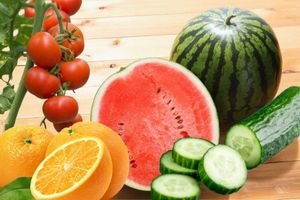
Hydration isn’t just about liquids. Many fruits and vegetables have high water content and contribute significantly to your daily fluid intake.
- Examples: Watermelon, cucumbers, oranges, strawberries, tomatoes, celery, and leafy greens
- Extra benefit: These foods also provide fiber, vitamins, and minerals, making them a double win for health.
4. Balance Caffeine Intake
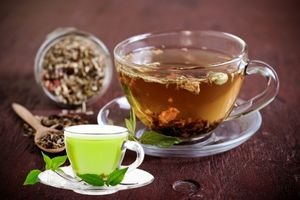
Coffee and tea contribute to daily hydration, but caffeine has a mild diuretic effect. Pair each cup of coffee or caffeinated beverage with a glass of water to maintain balance.
💡 Tip: Herbal teas, green tea, and decaffeinated options are excellent ways to stay hydrated while enjoying warm beverages.
5. Carry a Reusable Water Bottle
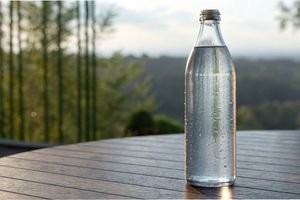
Having water within reach encourages regular sipping throughout the day. It also allows you to track your fluid intake and ensures you meet your daily hydration goals.
- Tip: Choose a bottle with measurement markings or a smart bottle that reminds you to drink.
6. Use Electrolyte Drinks Strategically
Electrolyte drinks are beneficial when you sweat heavily, perform long workouts, or are exposed to extreme heat. They replenish sodium, potassium, and other essential minerals lost through sweat.
💡 Pro tip: For everyday hydration, plain water is sufficient. Reserve electrolyte drinks for intense activity or hot-weather conditions.
7. Make Hydration a Habit, Not a Chore
- Drink a glass of water before each meal.
- Set reminders or use hydration apps to prompt regular sipping.
- Pair drinking water with existing habits (e.g., after brushing teeth, during breaks, or before bedtime).
8. Listen to Your Body
Your body gives subtle signals when it needs fluids—thirst, dry lips, fatigue, or headaches. Learn to respond promptly rather than forcing yourself to drink excessive amounts.
💡 Bonus tip: If you notice your urine is consistently light yellow, you’re likely well-hydrated. Adjust intake based on activity, climate, and diet.
Conclusion
Hydration is far more than a simple health tip or a daily task—it’s a cornerstone of overall well-being. When you understand that proper hydration comes not just from water, but also from healthy beverages and water-rich foods, it transforms from a mundane habit into a mindful lifestyle choice.
By listening to your body, responding to thirst, and observing simple cues like urine color, you can ensure your body stays energized, focused, and healthy. Smart hydration supports digestion, boosts immunity, enhances skin health, improves physical performance, and even uplifts mental clarity.
It’s also about balance and personalization. Generic rules like “eight glasses a day” don’t apply to everyone. Your needs vary depending on weight, activity, climate, and diet. By combining water, natural beverages, and hydrating foods in a way that suits your lifestyle, you can maintain optimal fluid balance without overthinking or overconsuming.
In essence, hydration isn’t just about survival—it’s about thriving. When approached thoughtfully, it empowers your body to function at its best, keeping energy levels high, your mind sharp, and your health resilient for the long term. Make hydration a conscious part of your daily routine, and watch how this simple, natural habit elevates your overall quality of life.
FAQs
Q1. Is drinking eight to Ten glasses of water a day really necessary?
Not exactly. The “8-glass rule” is a rough guideline, not a scientific fact. Your actual needs depend on body weight, activity level, diet, and climate. A better approach is to drink about 30–35 ml of fluids per kilogram of body weight daily—including water, beverages, and water-rich foods.
Q2. Can I rely only on water to stay hydrated?
No. While water is the simplest choice, foods like watermelon, cucumbers, and oranges, as well as beverages such as milk, herbal teas, and coconut water, also contribute to your hydration needs.
Q3. Does coffee or tea make you dehydrated?
That’s a myth. Moderate coffee and tea intake actually adds to your daily fluid balance. Caffeine has a mild diuretic effect, but regular drinkers adapt to it. Just avoid excess caffeine and pair it with plain water.
Q4. How can I tell if I’m dehydrated?
Common signs include dark urine, headaches, fatigue, dizziness, and dry mouth. A quick self-check is to look at urine color—pale yellow usually indicates good hydration.
Q5. Are sports drinks healthier than water?
Not for everyone. Sports drinks are designed for athletes who engage in long or high-intensity workouts. For most people, plain water is best. Reserve sports drinks for intense exercise or hot weather when you’re sweating heavily.
Q6. Can drinking too much water be harmful?
Yes. Overhydration can dilute sodium levels in the blood, causing a condition called hyponatremia. While rare, it’s more common in endurance athletes. The key is balance—drink to thirst and monitor your body’s signals.
Q7. Do older adults need to drink more water than younger people?
Not necessarily more, but older adults should be more mindful. With age, the body’s thirst mechanism weakens, making dehydration more likely. Regular sipping, even without feeling thirsty, is recommended.
Q8. What’s the best time to drink water during the day?
Start with a glass in the morning, sip water between meals, drink before and after exercise, and hydrate before bedtime. Spacing out intake is better than drinking large amounts all at once.
Q9. Can fruits and vegetables really keep me hydrated?
Absolutely! Foods like melons, oranges, cucumbers, lettuce, and tomatoes are over 80–90% water. Including them in your meals naturally boosts hydration while also adding vitamins and minerals.
Q10. How do I know if I’m drinking enough water every day?
Listen to your body. If you rarely feel thirsty, your urine is pale yellow, your energy is steady, and your skin feels healthy—you’re likely well-hydrated.