
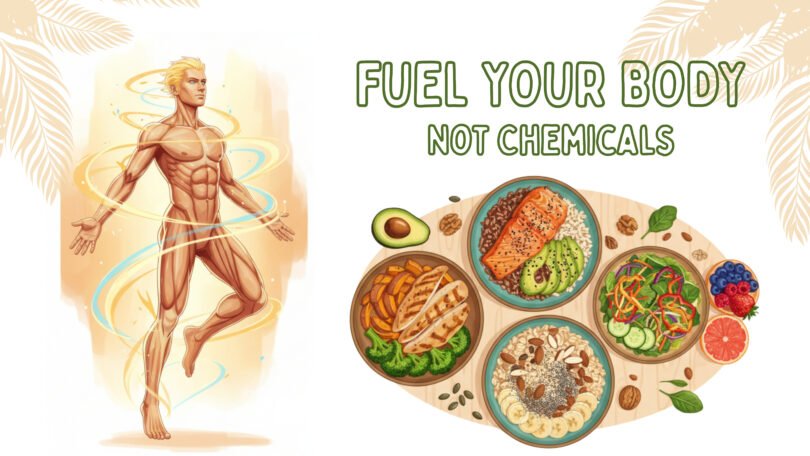

In today’s fast-paced world, we are constantly bombarded with convenience foods, sugary snacks, and ready-to-eat meals designed to save time but often at the cost of our health. It’s easy to grab a packaged item or fast food when life gets hectic, but over time, these choices can take a toll on our energy, mood, digestion, and long-term wellbeing. Our bodies are sophisticated machines that require real, nutrient-rich fuel—not processed ingredients, preservatives, or artificial chemicals that provide temporary satisfaction but little lasting benefit.
This is where clean eating comes in. Clean eating isn’t a fad or a restrictive diet; it’s a lifestyle that emphasizes choosing foods in their most natural, unprocessed form. It’s about being mindful of what we put on our plates, understanding the impact of every bite on our body, and making choices that nourish and energize us. From boosting immunity to supporting mental clarity, clean eating provides a foundation for overall wellness.
In this article, we’ll uncover the secrets of clean eating, explore practical ways to incorporate it into your daily routine, and explain why fueling your body with real foods is far more powerful than relying on quick-fix chemical-laden alternatives. Whether you’re looking to improve your energy, manage weight, or simply feel better in your own skin, embracing clean eating can be a transformative step toward a healthier, happier life.
What Is Clean Eating?
Clean eating is all about choosing foods in their most natural and unprocessed state—foods that provide nourishment instead of unnecessary chemicals or empty calories. It’s not a strict diet or a set of rigid rules; rather, it’s a lifestyle approach that focuses on making intentional, mindful choices to fuel your body and support overall well-being.
When you practice clean eating, you prioritize fresh fruits and vegetables, whole grains, lean proteins, nuts, seeds, and healthy fats, while limiting heavily processed foods, refined sugars, and artificial additives. The goal is to let your food work for you, supplying essential nutrients that enhance energy, improve digestion, strengthen immunity, and maintain long-term health.
Key Characteristics of Clean Eating
- Whole, Unrefined Foods: Choose foods in their natural state—think fresh produce, legumes, and minimally processed grains.
- Minimal Artificial Additives: Avoid foods with preservatives, artificial colors, and flavors that do not contribute to nutrition.
- Nutrient-Dense Choices: Opt for foods rich in vitamins, minerals, fiber, and healthy fats to nourish your body fully.
- Mindful Consumption: Focus on quality over quantity, paying attention to how each bite fuels your energy and wellbeing.
Tip: A simple way to start is by filling half your plate with colorful fruits and vegetables, adding a source of lean protein, and including healthy fats to balance your meal.
1. Prioritize Whole Foods

Whole Foods, Whole Health: The Simple Secret to Better Nutrition
Whole foods are the cornerstone of clean eating. They are unprocessed, nutrient-rich, and naturally designed to fuel your body.
What counts as whole foods:
- Fruits: Berries, apples, oranges, mangoes, kiwi, papaya
- Vegetables: Spinach, kale, broccoli, carrots, bell peppers, zucchini, cauliflower
- Whole grains: Quinoa, brown rice, oats, barley, millets
- Proteins: Eggs, chicken, fish, lentils, beans, tofu
- Nuts & Seeds: Almonds, walnuts, chia, flax, pumpkin seeds
Why it matters: Whole foods provide fiber, antioxidants, vitamins, minerals, and healthy fats. These nutrients help with digestion, immunity, energy levels, mental clarity, and disease prevention. Unlike processed foods, they don’t cause blood sugar spikes or prolonged fatigue.
Actionable tip: Try the “colorful plate” method—aim to include at least three different colors of fruits and vegetables in each meal to maximize nutrient variety.
2. Limit Added Sugars and Refined Grains

Less Sugar, More Strength: The Smart Way to Eat for Lasting Health
Processed foods often contain hidden sugars and refined grains, which are stripped of fiber and nutrients. Overconsumption can lead to:
- Blood sugar fluctuations and cravings
- Weight gain and fat accumulation
- Increased risk of diabetes, heart disease, and metabolic issues
- Fatigue, mood swings, and low focus
Clean eating swaps:
- Sweet drinks: Replace soda, sweetened tea, and energy drinks with water, coconut water, or herbal teas.
- Sugary snacks: Opt for fresh fruit, dates, or naturally sweetened treats.
- Refined grains: Swap white bread, pasta, and rice with whole grains like brown rice, oats, or quinoa.
Tip: Keep an eye on ingredient labels. Ingredients like corn syrup, maltose, dextrose, and high-fructose corn syrup are forms of added sugar.
Example: Instead of a sugar-filled granola bar, make your own with oats, nuts, seeds, and a touch of honey.
3. Choose Healthy Fats
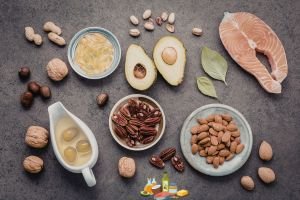
Healthy Fats, Happy Heart: Choose the Right Oils for the Right Reasons
Fats are essential for brain health, hormone production, and nutrient absorption, but quality matters. Clean eating emphasizes unsaturated fats while avoiding trans fats and excessive saturated fats.
Healthy fat sources:
- Avocados and avocado oil
- Nuts: almonds, walnuts, pistachios
- Seeds: chia, flax, sunflower, pumpkin
- Olive oil, coconut oil (in moderation)’
- Fatty fish: salmon, mackerel, sardines
Why it matters: Healthy fats support heart health, reduce inflammation, improve satiety, and aid in the absorption of fat-soluble vitamins like A, D, E, and K.
Actionable tip: Add a handful of nuts to your morning oatmeal or a drizzle of olive oil to your salad. Avoid margarine, packaged baked goods, and deep-fried snacks.
4. Cook at Home Whenever Possible

Home-Cooked Meals, Healthier You: Nourish with Love and Fresh Ingredients
Cooking at home is one of the most powerful tools for clean eating. It allows full control over ingredients, cooking methods, and portion sizes.
Benefits:
- Reduces salt, sugar, and processed oils
- Maintains nutrient integrity
- Encourages creativity and flavor experimentation with herbs, spices, and natural condiments
- Supports mindful eating by connecting you with the cooking process
Example: Stir-fry vegetables with garlic, turmeric, ginger, and lean protein like chicken, fish, or tofu, served with brown rice or quinoa.
Tip: Prepare staples like grains, roasted vegetables, and proteins in batches to save time during busy weekdays. Freeze portions for easy grab-and-go meals.
5. Read Food Labels Carefully

Smart Eating Starts with Reading: Decode Labels, Discover Real Nutrition
Even products labeled as “natural,” “organic,” or “clean” may contain hidden sugars, unhealthy oils, or additives.
What to look for:
- Short ingredient lists with recognizable items
- Minimal artificial preservatives, colors, or flavors
- Whole food ingredients as the first items listed
Why it matters: Reading labels ensures you avoid chemicals, excessive sugar, and processed oils that offer no nutritional value and may harm long-term health.
Tip: If a product has more than five ingredients or includes unfamiliar chemical names, it’s probably not clean. Stick to whole, fresh foods whenever possible.
6. Practice Mindful Eating

Slow Down and Savor: Mindful Eating for a Healthier, Happier You
Mindful eating is the art of being fully present while eating, paying attention to hunger cues, flavors, and satiety signals.
Benefits:
- Prevents overeating and promotes portion control
- Enhances digestion as you chew food properly
- Fosters a healthy relationship with food and reduces emotional eating
Actionable tip: Eat without distractions like phones or TV. Take small bites, savor textures, and note how your body feels during and after meals.
7. Stay Hydrated

Sip Smart, Stay Strong: Hydration Is the Key to Everyday Energy
Water is an essential part of clean eating. Proper hydration supports metabolism, digestion, detoxification, and overall energy levels.
Clean hydration sources:
- Water (plain or infused with fruit, herbs, or cucumber)
- Herbal teas like chamomile, green tea, or peppermint
- Coconut water in moderation
Why it matters: Hydration aids in nutrient absorption, keeps skin healthy, improves focus, and regulates body temperature.
Tip: Keep a water bottle nearby and aim to drink at least 6–8 glasses daily. Herbal teas or infused waters can make hydration more enjoyable.
8. Plan Your Meals

Plan Well, Eat Well: The Secret to Consistent, Healthy Nutrition
Meal planning is a practical strategy to stay consistent with clean eating. Planning ensures you always have nutritious options available, reducing the temptation to reach for processed foods.
How to start:
- Make a weekly grocery list based on fresh, whole foods
- Batch-cook staples like grains, proteins, and vegetables
- Portion meals into containers for quick grab-and-go options
Benefits: Saves time, reduces stress, ensures balanced nutrition, and prevents impulsive unhealthy eating.
9. Balance and Flexibility

Find Your Balance: Stay Healthy Without Giving Up What You Love
Clean eating doesn’t mean perfection. Flexibility is key:
- Allow occasional indulgences like dark chocolate or a homemade treat
- Avoid rigid rules that cause guilt or stress
- Focus on overall patterns rather than individual meals
Why it matters: Sustainable eating habits are built over time, not by extreme restrictions. Balance ensures you enjoy food while still nourishing your body.
Benefits of Clean Eating
Clean eating is more than a diet trend—it’s a lifestyle that profoundly impacts your physical, mental, and emotional health. By focusing on whole, minimally processed foods, you provide your body with the nutrients it needs to thrive. Let’s explore the benefits in detail:
1. Increased Energy Levels

Eat Right, Feel Bright: Boost Your Energy the Healthy Way
Processed foods and refined sugars can cause blood sugar spikes followed by crashes, leaving you fatigued and lethargic. In contrast, clean eating provides steady, long-lasting energy.
How it works:
- Whole grains, fruits, and vegetables release energy slowly.
- Lean proteins and healthy fats sustain energy and prevent mid-day slumps.
Example: Eating oatmeal with nuts and berries for breakfast keeps you energized for hours, unlike a sugary pastry that causes a quick crash.
Extra Tip: Pair carbohydrates with protein and healthy fats for balanced energy throughout the day.
2. Better Digestion

Happy Gut, Healthy You: Nourish for Better Digestion Naturally
Fiber-rich whole foods like fruits, vegetables, legumes, and whole grains support healthy digestion and regular bowel movements.
Benefits:
- Reduces constipation and bloating
- Supports gut-friendly bacteria (microbiome)
- Promotes absorption of vitamins and minerals
Example: A quinoa salad with vegetables and a handful of seeds can improve digestion and keep you feeling light.
Extra Tip: Drink water with fiber-rich meals to enhance digestion and nutrient absorption.
3. Weight Management

Fuel Smart, Stay Fit: The Balanced Way to Manage Your Weight
Clean eating naturally supports healthy weight control. Nutrient-dense foods are filling without excessive calories, helping regulate appetite and prevent overeating.
How it helps:
- High-fiber foods slow digestion and increase satiety.
- Lean proteins support muscle maintenance while reducing fat storage.
- Healthy fats curb cravings and provide lasting energy.
Example: Swapping chips for roasted chickpeas or a vegetable salad can reduce calorie intake while keeping you full.
Extra Tip: Focus on quality over quantity—small portions of nutrient-rich foods are more satisfying than large portions of processed snacks.
4. Improved Mental Health and Mood

Feed Your Mind Right: Nutrition That Lifts Mood and Mental Well-Being
What you eat directly affects your brain chemistry and neurotransmitters, influencing mood, focus, and mental clarity.
Benefits of clean eating for mental health:
- Omega-3 fatty acids (from fish, flaxseeds, and walnuts) support brain function.
- Complex carbohydrates (whole grains, fruits) stabilize blood sugar and reduce irritability.
- Antioxidants and vitamins (from colorful vegetables and fruits) combat oxidative stress, protecting brain cells.
Example: A smoothie with spinach, berries, flaxseeds, and Greek yogurt can boost energy and mental focus in the morning.
Extra Tip: Avoid excessive caffeine and refined sugars, as they can increase anxiety and mood swings.
5. Stronger Immune System

Build Your Defense Naturally: Nutrition for a Stronger Immune System
Whole, nutrient-dense foods fortify your immune system, making your body better equipped to fight infections and inflammation.
How it works:
- Vitamins like C, A, and E boost immune cell function.
- Minerals such as zinc and selenium support immune response.
- Phytonutrients and antioxidants from fruits and vegetables reduce inflammation and oxidative stress.
Example: A daily mix of colorful vegetables and fruits, plus a serving of lean protein, can significantly strengthen immunity.
Extra Tip: Include garlic, ginger, and turmeric in meals for natural immunity-boosting properties.
6. Healthier Skin, Hair, and Nails

Glow from Within: Eat Right for Healthier Skin, Hair, and Nails
Clean eating positively impacts appearance and beauty from within. Nutrient-rich foods promote collagen production, hydration, and cell repair.
Benefits:
- Vitamins A, C, and E help maintain glowing skin.
- Omega-3 fatty acids support hair and nail strength.
- Hydrating fruits and vegetables keep skin plump and radiant.
Example: Salmon with roasted vegetables and avocado provides omega-3s and antioxidants for healthy skin and hair.
Extra Tip: Drink water and herbal teas to complement the nutrients in your diet for a natural glow.
7. Reduced Risk of Chronic Diseases

Prevent Tomorrow’s Problems Today: Eat Smart to Reduce Chronic Disease Risk
Consuming whole, unprocessed foods lowers the risk of long-term health issues, including:
- Heart disease
- Type 2 diabetes
- Obesity
- Certain cancers
Why it works: Clean foods are low in harmful trans fats, added sugars, and refined grains, while high in protective nutrients, fiber, and antioxidants.
Example: Replacing fast food meals with home-cooked, vegetable-rich dishes helps reduce inflammation, improve cholesterol, and regulate blood sugar.
Extra Tip: Consistency matters—clean eating is most effective as a long-term lifestyle, not a short-term diet.
8. Enhanced Longevity and Quality of Life

Live Longer, Live Better: Nourish Your Way to Lasting Health and Vitality
People who adopt clean eating habits often enjoy better health, vitality, and longevity. Nutrient-rich diets promote cellular health, reduce inflammation, and maintain organ function as we age.
Benefits include:
- Higher energy levels at all ages
- Improved mobility and joint health
- Mental sharpness and cognitive function
- Overall better quality of life
Tip: Focus on whole, fresh foods daily and pair clean eating with regular physical activity for maximum longevity benefits.
Practical Steps to Start Clean Eating
Starting clean eating doesn’t have to be overwhelming. By adopting simple, actionable strategies, you can gradually transform your meals and lifestyle for long-term health. Here’s how to begin:
1. Shop Smart

Shop Smart, Eat Smart: Choose Fresh, Read Labels, and Fuel Right
The way you shop determines the food you eat. Focus on fresh, whole foods, and minimize processed items.
Tips:
- Stick to the perimeter of the store: Most grocery stores place fresh produce, meats, dairy, and whole grains around the outer aisles. The inner aisles usually contain packaged, processed foods.
- Make a grocery list before shopping to avoid impulse purchases of unhealthy foods.
- Buy seasonal fruits and vegetables—they are fresher, more nutrient-rich, and cost-effective.
- Consider farmers’ markets or local organic produce for high-quality ingredients.
Pro Tip: Avoid shopping when hungry to prevent unnecessary junk food purchases.
2. Meal Prep and Plan
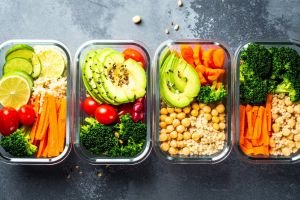
Prep Today, Thrive Tomorrow: Smart Meal Planning for a Healthier You
Planning ahead is key to staying consistent with clean eating. It reduces reliance on convenience foods and helps you make intentional choices.
Steps:
- Plan weekly meals, including breakfast, lunch, dinner, and snacks.
- Cook in batches: Prepare staples like quinoa, brown rice, roasted vegetables, and lean proteins in advance.
- Use portioned containers for easy grab-and-go meals during busy days.
- Keep healthy snacks like nuts, cut fruits, or boiled eggs ready for quick consumption.
Pro Tip: Keep a small notebook or app to track meals and grocery needs.
3. Hydrate Effectively

Hydrate Right: Nourish Your Body One Sip at a Time
Water is essential for digestion, metabolism, and overall energy. Clean eating works best when your body is well-hydrated.
Tips:
- Drink 10-12 glasses of water daily; adjust based on activity level.
- Include herbal teas or water infused with cucumber, lemon, or mint for variety.
- Avoid sugary beverages, as they provide empty calories and can spike blood sugar.
4. Cook at Home More Often

Home Cooking, Healthy Living: The Recipe for Better Nutrition
Home-cooked meals allow control over ingredients and cooking methods. It also encourages creativity and experimentation.
Tips:
- Use fresh herbs and spices instead of packaged sauces or flavorings.
- Bake, steam, grill, or sauté instead of deep-frying.
- Experiment with one new recipe per week to keep meals exciting.
5. Practice Mindful Eating

Be Present with Every Bite: Mindful Eating for a Healthier Relationship with Food
Mindful eating promotes a healthy relationship with food and prevents overeating.
Tips:
- Eat slowly, chew thoroughly, and savor each bite.
- Remove distractions like phones or TV while eating.
- Listen to your body’s hunger and fullness cues.
6. Gradually Replace Processed Foods
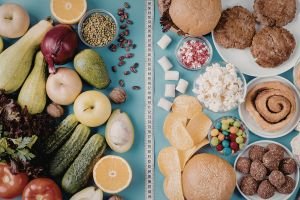
Small Swaps, Big Impact: Gradually Replace Processed Foods for Better Health
Switching to clean eating doesn’t mean going cold turkey. Gradual replacement is more sustainable.
Tips:
- Replace refined grains with whole grains.
- Swap sugary snacks with fruits, nuts, or yogurt.
- Gradually reduce soda, sugary drinks, and packaged snacks.
Pro Tip: Keep healthy alternatives readily available at home to make the transition easier.
Common Pitfalls to Avoid
While clean eating has many benefits, some mistakes can undermine your progress. Awareness of these pitfalls can help you maintain a sustainable and balanced approach.
1. Extreme Restriction

Balance Over Deprivation: Skip Extreme Restriction and Choose Sustainable Nutrition
Eliminating entire food groups or drastically reducing calories can lead to:
- Nutrient deficiencies
- Loss of energy and fatigue
- Unhealthy relationship with food
Solution: Focus on balance, not deprivation. Include a variety of foods from all nutrient groups.
2. Over-Reliance on “Clean” Labels

Don’t Be Fooled by Buzzwords: Look Beyond “Clean” Labels for True Nutrition
Not all products labeled “natural,” “organic,” or “clean” are healthy. Many still contain hidden sugars, refined oils, or preservatives.
Solution: Always read the ingredient list carefully. Choose foods with recognizable, whole ingredients.
3. Obsessing Over Perfection

Progress Over Perfection: Healthy Eating Is About Balance, Not Obsession
Trying to be perfect can lead to guilt, stress, and unsustainable habits.
Solution: Clean eating is about consistency, not perfection. Allow occasional indulgences, like a piece of dark chocolate or homemade dessert.
4. Ignoring Portion Sizes

Portion Control Matters: Even Healthy Foods Need the Right Balance
Even clean foods can contribute to weight gain if consumed in excessive amounts.
Solution: Practice portion control:
- Use smaller plates
- Fill half your plate with vegetables, one-quarter with lean protein, and one-quarter with whole grains
- Listen to your body’s hunger cues
5. Skipping Meals

Don’t Skip to Slip: Regular Meals Keep Your Energy and Metabolism Steady
Skipping meals can cause overeating later and low energy levels.
Solution: Plan regular, balanced meals and snacks throughout the day to maintain stable energy and prevent cravings.
6. Neglecting Hydration and Lifestyle Factors

Health Is More Than Food: Don’t Neglect Hydration, Sleep, and Movement
Clean eating is most effective when paired with hydration, physical activity, and adequate sleep. Ignoring these can reduce the benefits of your healthy diet.
Solution:
- Drink enough water
- Incorporate daily movement
- Aim for 7–8 hours of sleep
Conclusion
Clean eating is more than a diet—it’s a lifestyle that nourishes your body, mind, and overall well-being. By choosing whole, minimally processed foods, you fuel your body with nutrients that boost energy, support digestion, strengthen immunity, and enhance mental clarity.
It also fosters a healthy relationship with food, helping you eat mindfully, enjoy flavors, and listen to your body’s hunger and fullness cues. Cooking at home and experimenting with fresh ingredients makes meals not just nourishing but enjoyable, turning eating into a mindful, creative practice.
Clean eating is flexible and sustainable, allowing occasional indulgences without guilt, while building habits that promote long-term health and vitality. By consistently choosing foods that truly nourish you, you are investing in a stronger, healthier, and more vibrant life, one meal at a time
FAQs
1. What does clean eating really mean?
Clean eating is a lifestyle that emphasizes consuming whole, unprocessed foods like fruits, vegetables, whole grains, lean proteins, and healthy fats, while avoiding refined sugars, artificial additives, and heavily processed products.
2. Is clean eating the same as dieting?
No, clean eating isn’t a restrictive diet. It’s a balanced and sustainable way of eating focused on nourishing your body with real foods rather than counting calories or following strict rules.
3. Can I eat out while practicing clean eating?
Yes. Choose grilled, baked, or steamed options, ask for sauces and dressings on the side, and prioritize meals with vegetables, lean proteins, and whole grains.
4. How do I start eating clean without feeling overwhelmed?
Start small—swap refined grains with whole grains, drink more water, and cook one extra meal at home each week. Gradual changes build long-term habits.
5. Are all organic or “natural” labeled foods clean?
Not necessarily. Some products labeled “organic” or “natural” still contain hidden sugars, preservatives, or refined oils. Always check the ingredient list.
6. What are the main benefits of clean eating?
Clean eating supports better digestion, balanced energy, improved mood, glowing skin, weight management, and a stronger immune system.
7. Do I have to give up my favorite snacks completely?
No, balance is key. You can enjoy treats occasionally—just choose healthier alternatives like dark chocolate, homemade granola bars, or fruit-based desserts.
8. How can clean eating help with weight management?
Whole foods are nutrient-dense and filling, helping control appetite and prevent overeating, while processed foods often cause cravings and fatigue.
9. What role does hydration play in clean eating?
Proper hydration supports digestion, metabolism, nutrient absorption, and detoxification. Aim for 6–8 glasses of water daily or herbal teas for variety.
10. Can clean eating improve mental health?
Yes. Nutrient-rich foods with omega-3s, antioxidants, and complex carbs support brain function, mood stability, and mental clarity.