Caffeine is one of the most widely consumed natural stimulants in the world — found in coffee, tea, chocolate, and even energy drinks. For many, it’s the fuel that powers mornings, sharpens focus, and kick-starts productivity. But beyond boosting alertness, caffeine has also gained a reputation as a weight-loss ally, often promoted for its ability to boost metabolism and burn fat.
From gym-goers sipping black coffee before workouts to diet plans recommending green tea, caffeine has become a cornerstone of many fitness routines. But how much of this is backed by science, and how much is just hype?
Research suggests that caffeine can slightly increase metabolic rate, improve endurance, and help the body use stored fat for energy — but the effects are modest and temporary. The real results depend on your diet, activity level, and consistency.
In this blog, we’ll break down the truth about caffeine and weight loss, explore how it actually affects your metabolism, and help you understand how to use it wisely for sustainable results — without the side effects.
What Exactly Is Caffeine?
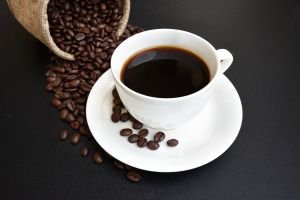
Caffeine = a natural energy booster that wakes up your brain and body.
Caffeine is a natural stimulant found in coffee beans, tea leaves, cocoa pods, and over 60 other plant sources. It works by stimulating the central nervous system, helping you feel more alert, energetic, and focused.
When you drink coffee, tea, or an energy beverage, caffeine quickly enters your bloodstream and travels to your brain, where it blocks adenosine — a chemical responsible for making you feel tired. This action increases the release of dopamine and adrenaline, boosting mood, alertness, and physical performance.
Because of these effects, caffeine has become one of the most commonly used ingredients in fat-burning supplements and pre-workout drinks. It can slightly increase metabolism and help the body burn fat for energy during exercise. However, moderation is key — too much caffeine can cause anxiety, restlessness, and sleep problems.
Simply put, caffeine is more than just a morning pick-me-up — it’s a natural performance enhancer that, when used wisely, can support both your energy levels and your weight-loss goals.
How Caffeine Affects Metabolism and Fat Burning
Caffeine’s link to weight loss begins with its action on the central nervous system (CNS). When you consume caffeine, it rapidly crosses the blood–brain barrier and influences several neurotransmitters and hormones that together change how your body uses energy. The net effect is a modest increase in calorie burning, better access to stored fat, and improved exercise performance — all useful tools in a weight-loss plan when used sensibly.
Let’s break it down step by step 👇
1. Boosts Metabolic Rate

Caffeine boosts your metabolic rate by increasing calorie burn even when you’re at rest.
Caffeine is known to temporarily boost metabolism, which refers to the number of calories your body burns at rest.
- When you consume caffeine, it stimulates the nervous system, increasing heart rate, breathing rate, and body temperature — processes that require energy.
- This increase in energy expenditure is called thermogenesis — the production of heat in the body through calorie burning.
- Studies have shown that moderate caffeine intake (200–400 mg per day) can raise the resting metabolic rate by 3–11%, depending on the person’s weight, tolerance, and activity level.
👉 Why it matters: Even small increases in metabolism can help you burn extra calories throughout the day — a subtle but helpful advantage for weight management.
2. Mobilizes Stored Fat for Energy
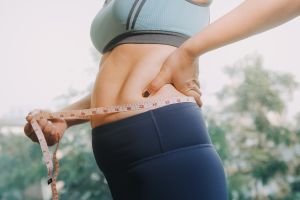
Caffeine mobilizes stored fat, turning it into usable energy for your body.
One of the most valuable roles of caffeine in weight loss is its ability to mobilize fat from fat tissues.
- Caffeine stimulates the adrenal glands to release adrenaline (epinephrine), the body’s “fight or flight” hormone.
- Adrenaline travels through the bloodstream and signals fat cells to break down stored triglycerides into free fatty acids, which are then released into the blood to be used as fuel.
- When you exercise after consuming caffeine, your muscles can tap into these free fatty acids for energy — enhancing fat oxidation (fat burning).
👉 Tip: Drinking a cup of black coffee or green tea about 30–45 minutes before exercise can help you burn slightly more fat during your workout.
3. Enhances Physical Performance and Endurance

Caffeine enhances physical performance by increasing endurance, strength, and energy output.
Caffeine is one of the most researched and effective ergogenic aids (performance enhancers) in the world of sports nutrition.
- By increasing adrenaline levels, caffeine prepares the body for physical exertion, improving focus, energy, and reaction time.
- It also reduces perceived effort — meaning you feel less tired and can push harder or train longer.
- Research shows that caffeine can improve exercise performance by 10–12%, especially in endurance activities like running, cycling, or strength training.
👉 Why it helps with fat loss: The more efficiently and intensely you can work out, the more calories and fat you burn — both during and after exercise.
4. Stimulates Thermogenesis

Caffeine stimulates thermogenesis, helping your body generate heat and burn more calories.
Caffeine triggers thermogenesis, the body’s natural heat-producing process that burns calories to generate warmth.
- This thermogenic effect increases energy expenditure and enhances calorie burn even in a resting state.
- It may also activate brown adipose tissue (brown fat) — a special type of fat that burns energy instead of storing it.
- When combined with a balanced diet and regular exercise, this mild thermogenic effect supports gradual, sustainable fat loss.
👉 Fun fact: Even drinking a hot black coffee can momentarily raise body temperature and encourage thermogenesis — small effects that add up over time.
5. Acts as a Temporary Appetite Suppressant

Caffeine acts as a temporary appetite suppressant by reducing feelings of hunger for short periods
Caffeine can also influence hormones involved in hunger regulation.
- It may reduce levels of ghrelin (the hunger hormone) while boosting peptide YY (PYY), which promotes a feeling of fullness.
- This leads to short-term appetite suppression, helping you avoid unnecessary snacking or overeating.
- However, this effect is temporary and tends to diminish as your body becomes accustomed to regular caffeine intake.
👉 Tip: Having caffeine between meals can help reduce cravings, but it should never replace balanced eating. Skipping meals can slow metabolism and lead to overeating later.
6. Timing and Tolerance: The Key to Results

With caffeine, timing and tolerance decide the results — the right dose at the right time makes all the difference.
Caffeine’s effects depend heavily on timing, dosage, and tolerance levels.
- The body gradually builds tolerance, meaning regular caffeine users may not experience the same fat-burning or energizing effects over time.
- The best approach is strategic use — 1–2 servings per day, ideally in the morning or before exercise.
- Avoid caffeine after 4 p.m., as it can interfere with sleep, which is crucial for metabolism and recovery.
- Remember: Poor sleep can trigger hunger hormones and slow your body’s ability to burn fat, undoing caffeine’s potential benefits.
👉 Tip: Cycle your caffeine intake — take a 1–2 week break every couple of months to reset your sensitivity and enhance its effectiveness.
The Bigger Picture
Caffeine definitely plays a role in metabolism and fat burning, but it’s not a miracle worker. Its effects are modest and supportive, not transformative on their own.
- It works best when paired with a nutritious, calorie-controlled diet and consistent physical activity.
- Drinking black coffee or green tea can complement your lifestyle — but sweetened coffee drinks, sugary energy beverages, and overuse of caffeine supplements can do more harm than good.
In essence, caffeine is a useful metabolic booster and workout enhancer, but the true key to lasting fat loss lies in your overall diet, movement, and sleep patterns. When used wisely, caffeine can give you the extra push you need to stay focused, energized, and consistent on your fitness journey.
Does Caffeine Actually Help You Lose Weight?
For decades, caffeine has been marketed as a secret weapon for weight loss — a metabolism booster, a fat-burning accelerator, and a natural appetite suppressant. From fitness supplements and slimming teas to black coffee and pre-workout drinks, caffeine has found its way into nearly every weight-loss conversation.
But does caffeine really help you shed fat and maintain a leaner body, or is it just another overhyped stimulant? The truth lies somewhere in between.
Caffeine can help with weight loss, but only as a supportive tool, not a standalone solution. Its effects are modest, temporary, and highly dependent on your overall lifestyle — including your diet, activity level, and sleep quality. Understanding how caffeine fits into the bigger picture can help you use it smartly rather than blindly chasing quick fixes.
Let’s explore how caffeine actually influences your body’s ability to lose weight.
1. Caffeine Supports Fat Loss — It Doesn’t Directly Cause It
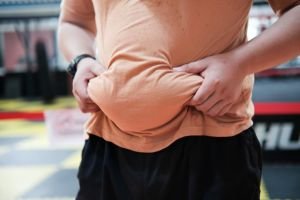
Caffeine supports fat loss by boosting your efforts — but it doesn’t directly burn fat on its own
Caffeine plays an indirect role in helping you lose weight. It gives your metabolism a short-term boost, improves workout efficiency, and provides a mild energy lift that can make physical activity easier and more enjoyable.
- Caffeine alone doesn’t melt fat. You still need to create a calorie deficit — that means burning more calories than you consume.
- Think of caffeine as a performance enhancer or a catalyst — it supports the process but doesn’t replace discipline, consistency, or mindful eating.
- If you continue to consume excess calories, caffeine won’t offset the surplus, no matter how much coffee you drink.
👉 In short: Caffeine helps you burn a few extra calories — but sustainable fat loss still depends on your total lifestyle.
2. Caffeine’s Calorie-Burning Power — Small but Real
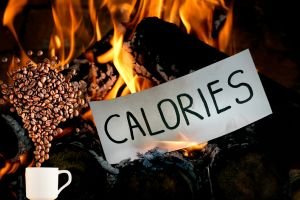
Caffeine’s calorie-burning boost is small, but it’s real — a subtle push that supports your overall fat-loss journey.
One of caffeine’s main mechanisms is its ability to slightly increase your metabolic rate (the number of calories you burn at rest).
- Research shows that a moderate dose of caffeine (around 200–400 mg, or 2–4 cups of coffee) can raise resting energy expenditure by 3–11% for a few hours.
- This happens through thermogenesis — the process where your body produces heat by burning calories.
- Although the effect is small, over time it can contribute to gradual fat loss if combined with healthy nutrition and regular movement.
For example, burning an extra 60–100 calories a day might not sound like much, but across weeks and months, that’s several thousand calories — roughly equivalent to half a kilogram of body fat.
👉 Remember: Caffeine gives your metabolism a gentle push, not a complete overhaul. It’s a helpful edge, not a magic bullet.
3. Enhances Workout Performance and Fat Utilization

Caffeine enhances workout performance and helps your body use fat more efficiently for fuel.
Caffeine’s most reliable weight-loss benefit comes from its ability to improve exercise performance.
- It increases levels of adrenaline, preparing your muscles and heart for physical activity.
- It allows your body to use stored fat as a source of energy by promoting fat oxidation during exercise.
- It reduces the feeling of fatigue, helping you exercise longer or at higher intensity without feeling exhausted.
Numerous studies show that caffeine can improve endurance and performance by 10–12%, making it easier to burn more calories during workouts.
👉 Tip: A cup of black coffee or green tea about 30–45 minutes before a workout can boost energy, stamina, and fat-burning potential.
4. Temporary Appetite Suppression

Caffeine offers temporary appetite suppression, helping you feel full for a short time.
Caffeine may also influence your hunger hormones, helping to control appetite for a short time.
- It lowers levels of ghrelin (the hormone that triggers hunger) and may boost peptide YY (PYY), which signals fullness.
- This can help prevent overeating or snacking between meals, especially during calorie restriction.
- However, this effect is temporary — lasting 1–3 hours — and tends to fade with regular caffeine use as your body adapts.
While caffeine can momentarily reduce hunger, using it to skip meals is counterproductive. Once the effect wears off, hunger often rebounds, leading to overeating later.
👉 Best practice: Use caffeine to manage mid-day cravings, but always pair it with balanced meals that include protein, fiber, and healthy fats.
5. The Sleep–Cortisol Connection: When Too Much Backfires

Too much caffeine disrupts sleep and spikes cortisol — a cycle that can quietly work against your fat-loss goals.
While caffeine can help you stay energized and burn more calories during the day, too much of it can slow your weight-loss progress.
- Overconsumption of caffeine, especially in the afternoon or evening, can disrupt sleep.
- Poor sleep increases cortisol, the body’s stress hormone, which promotes fat storage — particularly around the abdomen.
- Sleep deprivation also alters hunger hormones, increasing appetite and cravings for high-sugar or high-fat foods.
In short, excess caffeine can create a vicious cycle:
☕ More caffeine → less sleep → more stress → higher appetite → slower metabolism.
👉 Limit caffeine after 4 p.m. to protect your sleep and keep your metabolism functioning optimally.
6. The Tolerance Factor — Why Caffeine’s Effect Diminishes Over Time
With regular use, your body adapts — and caffeine’s impact fades as tolerance builds over time.
Your body is highly adaptive. With regular use, it begins to tolerate caffeine, meaning the initial energy boost or fat-burning effects diminish.
- The nervous system becomes less responsive to caffeine’s stimulating effects.
- Over time, the same amount of caffeine will no longer increase metabolism or suppress appetite as much as it once did.
- To restore sensitivity, it helps to cycle your caffeine intake — take a 1–2 week break every couple of months or reduce daily doses.
👉 Tip: Save caffeine for days when you truly need the boost — before workouts, during long work sessions, or when energy dips.
The Mind–Body Connection: Mood, Energy, and Motivation
Caffeine doesn’t just impact your metabolism — it also powerfully influences your mind, emotions, and motivation levels. These mental and emotional effects play a crucial role in maintaining consistency on your weight-loss journey.
When caffeine enters the brain, it blocks adenosine, the neurotransmitter responsible for drowsiness. This increases the activity of dopamine and norepinephrine, two chemicals that elevate mood, focus, and energy. This is why, after your morning coffee, you feel more alert, productive, and ready to take on the day.
- Improved Mood and Motivation: A moderate dose of caffeine can make you feel more positive and mentally driven. It enhances alertness and reduces perceived effort, helping you stay motivated to exercise or stick to your diet.
- Enhanced Energy Levels: Caffeine helps you push through physical and mental fatigue, especially during early mornings or intense workout sessions. This increased energy often leads to greater daily activity, indirectly supporting calorie burn.
- Focus and Cognitive Function: Caffeine enhances mental clarity, reaction time, and concentration — all essential when managing stressful routines or maintaining dietary discipline.
However, balance is vital. Too much caffeine can lead to anxiety, jitteriness, or restlessness, which can backfire by increasing stress levels and emotional eating. The key is moderation — enough to boost energy and focus, but not so much that it disturbs emotional balance or sleep.
Side Effects and Limitations of Caffeine
While caffeine offers multiple health and weight-management benefits, excessive consumption or improper timing can lead to unwanted side effects. It’s important to understand both sides of the coin before relying on caffeine as a daily tool.
☕ Common Side Effects of Excessive Caffeine:
- Sleep Disturbances: Caffeine can interfere with melatonin production, making it harder to fall asleep or get deep rest — which slows metabolism and increases cravings.
- Increased Heart Rate and Blood Pressure: As a stimulant, caffeine temporarily elevates heart rate and may raise blood pressure, especially in sensitive individuals.
- Digestive Issues: High doses can increase stomach acid production, leading to acidity, heartburn, or bloating.
- Anxiety and Restlessness: Caffeine triggers the release of adrenaline; in large amounts, it can cause jitteriness, irritability, or even panic attacks.
- Dependence and Withdrawal: Regular heavy caffeine use can lead to dependency. Suddenly stopping may cause headaches, fatigue, or low mood.
Limitations of Caffeine in Weight Loss:
- The calorie-burning effect is temporary and modest, not sufficient for major weight loss.
- The body builds tolerance quickly, reducing caffeine’s impact on metabolism and fat burning.
- Sugar-laden caffeine sources (like sweetened coffee drinks or energy beverages) can negate any benefits by adding excess calories.
👉 Takeaway: Caffeine should be used as a supportive tool — not a crutch. Its effects work best when balanced with adequate rest, hydration, nutrition, and exercise.
Best Sources of Caffeine for Healthy Weight Management
Not all caffeine sources are equal. Some deliver clean energy with health benefits, while others are packed with sugar, artificial ingredients, or unhealthy fats. Choosing the right source is crucial for supporting weight loss without side effects.
✅ Healthier Sources of Caffeine:
Black Coffee:

- Zero calories, rich in antioxidants, and helps boost metabolism.
- Best consumed without sugar, cream, or flavored syrups.
Green Tea:

- Contains caffeine and catechins (EGCG) that enhance fat oxidation.
- Gentler on the body and less likely to cause jitters.
Black or Oolong Tea:

- Offers moderate caffeine and antioxidants; supports metabolism and digestion.
Matcha Tea:

- A concentrated form of green tea with a slow, steady caffeine release for sustained energy.
Dark Chocolate (in moderation):
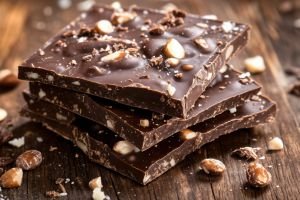
- Contains small amounts of caffeine and mood-boosting compounds like theobromine and phenylethylamine.
Caffeine Sources to Avoid:
- Sugary coffee drinks (frappés, lattes, and sweetened iced coffees)
- Energy drinks loaded with sugar, artificial flavors, or high caffeine doses
- Over-the-counter “fat burner” pills with unregulated caffeine content
👉 Best Practice: Aim for 100–300 mg of caffeine daily (1–3 cups of coffee or tea) and focus on natural, minimally processed sources.
Tips to Use Caffeine Smartly for Weight Loss
Caffeine can be your ally — if used with strategy. Here’s how to make it work for you safely and effectively:
🕓 1. Time It Right
- Have caffeine 30–45 minutes before exercise to maximize fat-burning and endurance.
- Avoid caffeine after 4 p.m. to protect sleep quality.
🧠 2. Pair It With Activity
- Use caffeine as a pre-workout boost — it helps mobilize fat and improves performance.
- Avoid consuming caffeine when you’re sedentary; it’s most effective when paired with movement.
🧃 3. Choose Clean Sources
- Prefer black coffee, unsweetened tea, or matcha.
- Skip sugary syrups, whipped cream, or high-fat milk additions that cancel out benefits.
💤 4. Prioritize Sleep
- No amount of caffeine can make up for sleep deprivation. In fact, poor sleep raises hunger hormones and stalls weight loss.
- Maintain a consistent sleep schedule and hydrate well to balance caffeine’s effects.
♻️ 5. Cycle Your Caffeine Intake
- Take short breaks every 6–8 weeks to reset tolerance.
- During breaks, switch to decaf coffee, herbal teas, or lower-caffeine drinks.
⚖️ 6. Stay Hydrated and Balanced
- Caffeine is mildly diuretic; drink plenty of water alongside it.
- Combine caffeine with nutrient-dense meals rich in protein and fiber to avoid energy crashes.
🧘 7. Listen to Your Body
- If you notice jitters, heart palpitations, or anxiety, reduce your intake.
- Everyone’s sensitivity to caffeine is different — find your personal limit.
👉 Smart usage turns caffeine into a sustainable performance enhancer — not a dependency.
Who Should Limit or Avoid Caffeine?
While caffeine is safe for most healthy adults in moderate amounts, certain individuals should be cautious or avoid it altogether due to its stimulating effects.
⚠️ 1. People with Anxiety or Panic Disorders

- Caffeine can trigger nervousness, restlessness, and rapid heart rate, which can worsen anxiety symptoms.
⚠️ 2. Individuals with Heart Conditions or High Blood Pressure

- The stimulant effect can temporarily raise blood pressure and heart rate. Those with cardiovascular issues should consult a doctor before consuming caffeine regularly.
⚠️ 3. Pregnant and Breastfeeding Women

- High caffeine intake during pregnancy can affect fetal development.
- Experts recommend limiting intake to 200 mg per day (about one cup of coffee).
⚠️ 4. People with Digestive Issues (GERD or Ulcers)

- Caffeine can increase stomach acid production, leading to acidity, reflux, or discomfort.
⚠️ 5. Individuals Sensitive to Stimulants or with Insomnia

- Even small amounts can disrupt sleep patterns or cause restlessness.
⚠️ 6. Those on Certain Medications

- Caffeine can interact with antibiotics, antidepressants, and heart medications. Always consult a healthcare professional if you’re on prescription drugs.
⚠️ 7. Children and Adolescents

- Their smaller body size and developing nervous systems make them more sensitive to caffeine’s side effects.
- It’s best to avoid or limit caffeine-containing drinks in younger individuals.
👉 Bottom line: For most adults, moderate caffeine intake (200–400 mg daily) is safe and beneficial. But individuals with health conditions should always get personalized guidance from a qualified healthcare provider.
Conclusion
Caffeine can indeed support weight loss, but it isn’t a magic solution. It helps by slightly boosting metabolism, improving workout performance, and enhancing focus and energy levels — all of which make it easier to stay active and consistent.
However, its effects are temporary and modest, and relying on caffeine alone won’t bring lasting results. True fat loss still depends on a balanced diet, regular exercise, proper sleep, and stress control.
When consumed in moderation — about 200–400 mg per day from healthy sources like black coffee, green tea, or matcha — caffeine can be a valuable ally in your fitness journey. But overuse or dependence can backfire, leading to anxiety, poor sleep, and slowed progress.
✨ The takeaway: Use caffeine smartly, not excessively. Combine it with mindful nutrition and an active lifestyle, and it can become a powerful partner in helping you stay energized, motivated, and on track toward your weight-loss goals.
FAQs
1. Does caffeine really help you lose weight?
Caffeine can support weight loss by slightly increasing metabolism, improving workout performance, and mobilizing stored fat. However, it’s not a magic solution — sustainable weight loss still requires a healthy diet and regular exercise.
2. How much caffeine should I take daily for weight loss?
For most adults, 200–400 mg per day (about 2–4 cups of coffee) is safe and effective. Always listen to your body and avoid excessive intake, as too much caffeine can cause jitteriness and sleep disturbances.
3. What is the best time to consume caffeine for fat burning?
The ideal time is 30–45 minutes before a workout to enhance endurance and fat oxidation. Avoid caffeine late in the evening, as it can disrupt your sleep and slow metabolic recovery.
4. Does caffeine reduce appetite?
Yes, caffeine may temporarily suppress appetite by lowering hunger hormones like ghrelin and increasing satiety hormones. However, this effect is short-lived and varies between individuals.
5. Can I lose weight just by drinking coffee?
No — drinking coffee alone won’t lead to weight loss. While caffeine can slightly boost calorie burn, weight loss occurs only with a calorie deficit, achieved through balanced nutrition and regular activity.
6. Which caffeinated drink is best for weight loss?
Black coffee, green tea, and matcha are top choices. They’re low in calories, rich in antioxidants, and provide a steady caffeine boost without added sugars or fats.
7. Can caffeine cause weight gain?
Yes, indirectly. Overconsumption can lead to stress, poor sleep, and increased cravings — all of which may contribute to weight gain. Sweetened coffees and energy drinks also add hidden calories.
8. Is caffeine safe for everyone?
No. People who are pregnant, breastfeeding, have heart conditions, anxiety disorders, or sleep issues should limit or avoid caffeine. Always consult a healthcare professional if you have medical concerns.
9. How can I avoid caffeine dependence?
Avoid drinking caffeine constantly throughout the day. Use it strategically — for workouts or morning energy — and take short breaks every few weeks to reset your tolerance.
10. What happens if I stop caffeine suddenly?
You may experience mild withdrawal symptoms like headaches, fatigue, or irritability for a few days. Gradually reducing intake helps your body adjust more smoothly.