
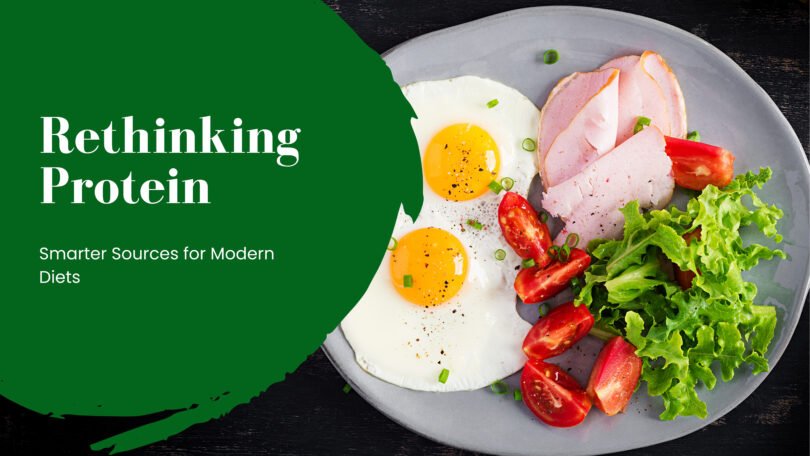

For years, protein has been portrayed as the superstar nutrient — the key to strength, muscle gain, and fitness success. Most people immediately think of chicken, eggs, or protein shakes when they hear the word. But the truth is, protein isn’t just for gym-goers — it’s essential for everyone, every single day. From repairing cells and producing hormones to supporting immunity and energy balance, protein fuels almost every function in your body.
Yet, in today’s fast-changing world of food and wellness, it’s time to rethink what “getting enough protein” really means. It’s not just about the quantity — it’s about the quality, diversity, and sustainability of the sources we choose. Modern diets are no longer about loading up on meat or supplements; they’re about choosing smarter protein sources that nourish your body, support long-term health, and are kinder to the planet.
This shift in perspective comes at a crucial time. With growing awareness around lifestyle diseases, environmental impact, and food ethics, people are looking for balanced, sustainable, and nutrient-rich alternatives to conventional protein sources. From lentils and quinoa to tofu and seeds, today’s “smart proteins” deliver more than muscle — they offer fiber, antioxidants, vitamins, and minerals that contribute to overall wellness.
So, whether you’re a fitness enthusiast, a vegetarian, or simply someone trying to eat healthier, this new approach to protein is about making conscious, well-rounded choices that align with both personal health and global well-being.
In this blog, we’ll explore why protein is vital, what smarter sources look like, and how you can easily include them in your modern diet — because eating healthy today means thinking smarter, not harder.
Why Protein Matters
Protein is often called the building block of life, and for good reason. Every cell, tissue, and organ in your body depends on it. From your skin and hair to your enzymes and hormones, protein plays a role in nearly every biological process that keeps you alive and thriving.
When you eat protein, your body breaks it down into amino acids — the essential compounds that repair tissues, build muscles, produce hormones, and even strengthen your immune system. Think of amino acids as the body’s repair crew, constantly working to maintain balance and vitality.
But protein does more than just support muscle growth — it impacts how you feel, think, and function every day.
1. Supports Brain and Hormonal Function

“Nourish your body right, and your brain and hormones finally start speaking the same language.”
Proteins help create neurotransmitters like dopamine and serotonin — chemicals that influence your mood, focus, and sleep. Without enough quality protein, you may experience fatigue, mood swings, and slower cognitive function
2. Builds and Repairs Tissues
“Every bite of quality protein becomes the building block your body uses to heal, grow, and repair.”
After exercise, injury, or even daily wear and tear, your body relies on protein to rebuild muscle fibers and cells. This is why athletes, growing teens, and recovering patients need slightly higher amounts of protein to repair and regenerate efficiently.
3. Provides Sustained Energy

“Choose steady-fuel foods that keep your energy flowing long after the cravings fade.”
While carbohydrates are your body’s primary energy source, protein helps stabilize blood sugar levels and keeps you fuller for longer. Unlike refined carbs, which cause quick spikes and crashes, protein-rich foods provide steady, lasting energy.
4. Strengthens the Immune System

“Nutrient-rich foods train your immune system to stay strong, alert, and ready to protect you every day.”
Antibodies — the soldiers of your immune system — are made from proteins. Without sufficient protein, your body’s defense mechanism weakens, making you more susceptible to infections and slower recovery.
5. Maintains Healthy Hair, Skin, and Nails

“Feed your body well, and it reflects back through stronger hair, clearer skin, and healthier nails.”
Keratin, collagen, and elastin — the structural proteins that give your hair, skin, and nails strength — all come from dietary protein. A deficiency often shows up first through brittle nails, hair fall, or dull skin.
6. Helps With Weight Management

“Smart food choices keep your appetite balanced and your weight goals within reach.”
Protein is the most satiating macronutrient — meaning it keeps you full longer and reduces unnecessary snacking. It also boosts your metabolism slightly through the thermic effect of food (TEF) — the calories your body burns digesting protein. This makes it a valuable nutrient for healthy weight loss or maintenance.
7. Supports Healthy Aging

“Nourish consistently today so your body can stay stronger, sharper, and younger for the years ahead.”
As we age, the body naturally loses muscle mass (a condition called sarcopenia). Consuming enough protein helps preserve lean muscle, maintain mobility, and keep metabolism active — especially for older adults.
The Real Challenge: Not Just “More,” But “Better” Protein

“The real power isn’t in eating more protein—it’s in choosing protein that truly fuels your body.”
Most people today aren’t protein-deficient — they’re protein-imbalanced. Many rely heavily on animal proteins or processed sources like shakes and bars while missing out on plant-based, nutrient-dense alternatives.
The goal isn’t to overload your plate with protein — it’s to choose high-quality, balanced sources that give your body a mix of essential amino acids, fiber, and micronutrients.
In short, protein is much more than a “muscle nutrient.” It’s the foundation of good health — influencing your energy, immunity, metabolism, and longevity.
The Shift Toward Smarter Protein Choices
For years, protein was viewed through a narrow lens — associated almost entirely with meat, eggs, and dairy. The more, the better, right? Not quite. As science, sustainability, and personal health awareness evolve, people are beginning to rethink not just how much protein they eat, but where it comes from.
Today, the conversation around protein has expanded beyond quantity to include quality, variety, and environmental impact. This shift isn’t just a food trend — it’s part of a global movement toward conscious eating, smarter nutrition, and sustainable living.
1. From Animal-Centric to Balanced Eating

Traditionally, diets were built around animal-based proteins like chicken, fish, and eggs. While these are excellent sources of complete protein, excessive consumption can lead to high saturated fat intake, increased cholesterol, and environmental strain due to livestock farming.
Modern eaters are now looking for a balance between animal and plant proteins. Instead of completely eliminating animal products, many are adopting a “flexitarian” approach — eating mostly plant-based foods while occasionally including lean meats or fish. This hybrid way of eating ensures you get nutritional diversity without overburdening the planet.
2. Rise of Plant-Based Proteins
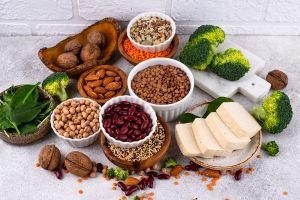
The last decade has witnessed an explosion of interest in plant-based proteins. Foods like lentils, beans, tofu, tempeh, quinoa, and edamame are gaining popularity not only among vegetarians but also among health-conscious individuals worldwide.
Plant proteins offer far more than just amino acids — they provide fiber, antioxidants, phytonutrients, and healthy fats that animal proteins lack. Plus, they’re cholesterol-free, easier on digestion, and linked to lower risks of chronic diseases such as heart disease, diabetes, and certain cancers.
Smart protein isn’t just about muscles — it’s about metabolism, mood, and longevity.
3. Sustainability: Eating for the Planet

Protein choices today are influenced not only by health goals but also by environmental consciousness. The livestock industry accounts for nearly 15% of global greenhouse gas emissions, consumes vast amounts of water, and contributes to deforestation.
Switching even part of your protein intake to plant-based sources can drastically reduce your carbon footprint. For example:
- Producing 1 kg of beef emits up to 60 kg of CO₂, while 1 kg of lentils emits less than 2 kg.
- Plant proteins also require far less land and water than animal protein production.
In essence, choosing sustainable protein means choosing a healthier planet — without compromising your own nutrition.
4. Smarter Protein = Smarter Nutrition

Modern nutrition is all about efficiency and bioavailability — how well your body can absorb and use nutrients. Smarter protein sources combine high-quality amino acids with fiber, vitamins, and minerals.
For example:
- Quinoa provides all nine essential amino acids along with magnesium and antioxidants.
- Chickpeas offer both protein and complex carbohydrates for sustained energy.
- Greek yogurt or soy yogurt gives probiotics along with protein, supporting gut health.
Smarter protein sources are multi-functional foods — they don’t just build muscle, they build better health.
5. The Modern Approach: Diversity Over Dependence

The key to optimal protein intake today isn’t eating one “superfood” — it’s eating a diverse range of sources. By mixing plant and animal proteins (if you consume both), you achieve a complete amino acid balance while reducing dependency on any one food type.
This approach ensures:
- Better nutrient synergy (how nutrients work together).
- Improved digestibility and gut health.
- Reduced risk of nutrient deficiencies or food monotony.
Smarter Protein Sources for a Modern Lifestyle
In the modern world, where people juggle busy schedules, wellness goals, and environmental awareness, the key to healthy eating lies in choosing protein sources that are both nutritious and sustainable.
Smarter protein choices go beyond counting grams — they focus on quality, digestibility, and overall nutrient balance. Whether you’re vegetarian, vegan, or a mindful omnivore, there are plenty of ways to meet your protein needs through intelligent food combinations.
Let’s explore the best, most adaptable protein sources that fit seamlessly into modern lifestyles.
1. Legumes and Pulses — The Plant Powerhouses
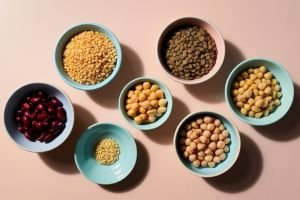
Beans, lentils, chickpeas, and peas are some of the most affordable and nutrient-dense proteins available. They’re not only high in protein but also rich in fiber, iron, folate, and complex carbohydrates.
A single cup of cooked lentils provides nearly 18 grams of protein, making it an excellent alternative to meat. The combination of protein + fiber also keeps you full longer and helps stabilize blood sugar levels.
Why they’re smart:
- High in both protein and fiber.
- Support gut health and digestion.
- Naturally cholesterol-free and low in fat.
How to use:
- Add cooked chickpeas or beans to salads, wraps, or curries.
- Blend lentils into soups for a creamy, protein-rich meal.
- Try hummus or bean dips as healthy snack options.
2. Nuts and Seeds — Tiny But Mighty
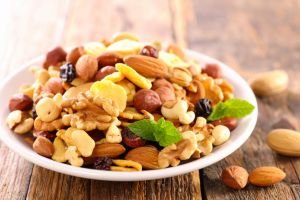
Nuts and seeds may be small, but they pack a serious nutritional punch. Almonds, walnuts, pistachios, chia seeds, flaxseeds, pumpkin seeds, and hemp seeds are loaded with protein, healthy fats, antioxidants, and essential minerals.
Just two tablespoons of hemp seeds can provide 10–12 grams of complete protein, along with omega-3 and omega-6 fatty acids.
Why they’re smart:
- Provide plant-based protein and heart-healthy fats.
- Contain essential micronutrients like zinc, magnesium, and vitamin E.
- Offer anti-inflammatory and antioxidant benefits.
How to use:
- Add chia or flaxseeds to smoothies, oats, or yogurt.
- Snack on a handful of nuts or use nut butter on toast.
- Sprinkle pumpkin or sunflower seeds on salads for a crunchy protein boost.
3. Whole Grains — The Overlooked Protein Source
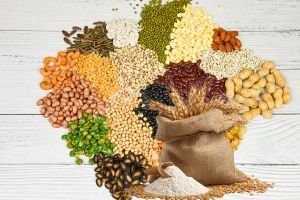
When most people think of protein, grains rarely make the list. But options like quinoa, amaranth, buckwheat, and millet are rich in protein and also qualify as complete proteins, meaning they provide all nine essential amino acids.
Quinoa, for instance, offers about 8 grams of protein per cooked cup — along with magnesium, iron, and fiber for sustained energy.
Why they’re smart:
- Easy to digest and gluten-free (in most cases).
- Support steady energy levels and gut health.
- Combine well with legumes for a nutrient-dense meal.
How to use:
- Replace rice with quinoa or amaranth in your meals.
- Make protein-packed grain bowls with vegetables and beans.
- Use buckwheat flour for pancakes or rotis.
4. Dairy and Fortified Alternatives
For those who consume dairy, options like milk, yogurt, paneer, and Greek yogurt remain high-quality protein sources, rich in calcium, probiotics, and vitamin B12.
Meanwhile, plant-based eaters can turn to fortified soy milk, almond milk, oat milk, or vegan yogurts to ensure adequate protein and nutrient intake. Soy-based versions are closest to dairy in protein content, offering 7–8 grams per cup.
Why they’re smart:
- Offer complete proteins and essential calcium.
- Support bone health and gut microbiome.
- Fortified alternatives help meet vitamin D and B12 needs in vegan diets.
How to use:
- Add milk or yogurt to smoothies or overnight oats.
- Use paneer or tofu in stir-fries and salads.
- Choose unsweetened, fortified plant milks for daily use.
5. Lean Meats and Poultry — High Protein, Low Fat

Animal-based proteins like chicken, turkey, and fish are still some of the most concentrated protein sources, providing 20–30 grams per 100 grams serving. However, the smarter approach is to focus on quality and moderation.
Why they’re smart:
- High in bioavailable protein (easily absorbed).
- Rich in essential amino acids.
- Fish provides omega-3 fats that support heart and brain health.
How to use:
- Grill, steam, or bake instead of frying to preserve nutrients.
- Add lean poultry to grain bowls or wraps for balanced meals.
- Choose wild-caught or sustainably sourced fish for cleaner nutrition.
6. Eggs — Nature’s Most Balanced Protein
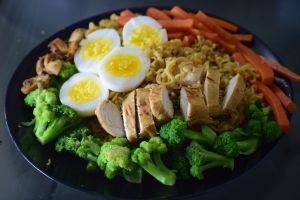
Eggs are one of the most complete and bioavailable protein sources known. Each egg provides about 6 grams of protein, along with choline, vitamin D, and B vitamins.
Why they’re smart:
- Contain all essential amino acids in ideal proportions.
- Affordable, versatile, and easy to digest.
- Great source of nutrients for brain and eye health.
How to use:
- Include boiled eggs at breakfast.
- Add them to salads or curries for a protein boost.
7. Plant-Based Meat Alternatives — The Modern Revolution

With growing demand for vegetarian and vegan diets, plant-based meat alternatives like tofu, tempeh, seitan, and edamame are reshaping the protein landscape. These foods are rich in protein, low in cholesterol, and highly versatile.
Why they’re smart:
- Great substitutes for meat without sacrificing protein.
- Easy to cook and adapt to any cuisine.
- Support sustainable and ethical eating habits.
How to use:
- Use tofu in curries, grilled dishes, or sandwiches.
- Stir-fry tempeh with vegetables and soy sauce for a quick meal.
- Add edamame to salads or Buddha bowls for added texture and protein.
8. Protein-Rich Snacks for Modern Lifestyles
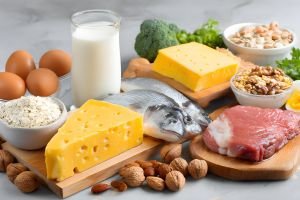
Busy schedules don’t always allow for elaborate meals, which is why portable, protein-rich snacks are essential. Choose nutrient-dense options that balance protein with fiber and healthy fats.
Smart options include:
- Roasted chickpeas or makhana.
- Greek yogurt or soy yogurt cups.
- Trail mixes with nuts and seeds.
- Boiled eggs or protein smoothies.
These are ideal for maintaining steady energy between meals and preventing unhealthy snacking.
The Modern Protein Philosophy
In today’s world, protein isn’t just a nutrient — it’s a lifestyle choice. Smarter protein sources don’t just build muscle; they support energy, gut health, mental clarity, and sustainability.
The goal isn’t to eat more protein, but to eat the right kind of protein — diverse, high-quality, and tailored to your body’s needs.
Whether you’re blending a chickpea smoothie, sprinkling seeds on your salad, or choosing tofu over fried meat, every small switch contributes to a healthier, smarter, and more sustainable diet.
Why Quality Matters More Than Quantity
When it comes to protein, most people focus on numbers — “How many grams did I eat today?” But the truth is, the quality of your protein matters far more than the quantity. Eating large amounts of low-quality or overly processed protein sources can actually harm your health rather than support it.
Protein quality depends on several key factors — its amino acid profile, digestibility, bioavailability, and how it fits into the rest of your diet. Let’s break that down.
1. Amino Acid Balance
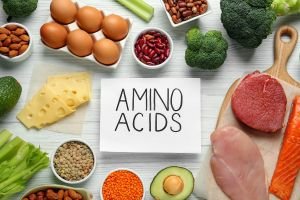
Proteins are made up of 20 amino acids, out of which nine are essential, meaning your body cannot produce them — you must get them through food.
- Complete proteins (like eggs, dairy, soy, quinoa, and fish) contain all nine essential amino acids in adequate amounts.
- Incomplete proteins (like lentils, nuts, or grains) may lack one or more amino acids — but when combined smartly (for example, rice + dal, hummus + whole wheat pita), they form a complete protein meal.
Smart eating isn’t about eating one “perfect” source; it’s about pairing foods to meet your body’s full amino acid needs.
2. Digestibility and Absorption

Not all protein you eat is absorbed equally. Animal proteins tend to have higher bioavailability (around 90–95%) compared to most plant proteins (around 70–85%). However, combining various plant proteins throughout the day balances absorption naturally.
Cooking methods also influence digestibility — grilling, steaming, or soaking beans improves nutrient uptake and minimizes antinutrients.
3. Nutrient Density and Additives
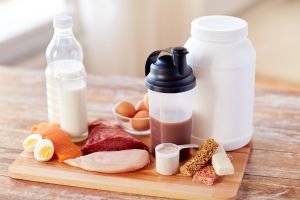
Many modern protein sources, such as processed meats, flavored protein bars, or sweetened powders, are high in sodium, preservatives, or artificial flavors. While they may provide “high protein per serving,” they can add hidden sugars, unhealthy fats, and additives that stress your heart and kidneys.
In contrast, whole-food proteins like beans, fish, eggs, or seeds deliver nutrients in their natural form — with added fiber, vitamins, and antioxidants that support long-term wellness.
4. Environmental and Ethical Impact

Quality also extends beyond your body to the planet. Choosing sustainably sourced proteins — such as plant-based foods, wild-caught fish, or pasture-raised eggs — supports both personal health and environmental well-being.
High-quality protein choices are those that nourish you and protect the ecosystem — a win-win for health and sustainability.
The Bottom Line
Eating 100 grams of protein from processed meats isn’t the same as getting 60 grams from lentils, fish, and seeds. The former might fill your macro count but deplete your health in the long run.
The goal isn’t to load up on protein but to choose balanced, high-quality sources that fuel, repair, and protect your body while aligning with your lifestyle values.
Smart Protein Tips for Modern Diets
Modern nutrition isn’t about restriction — it’s about making smarter, sustainable, and mindful food choices that work for your body and your schedule. These simple yet powerful tips will help you get the most out of your protein intake while maintaining a healthy, balanced lifestyle.
1. Include Protein in Every Meal
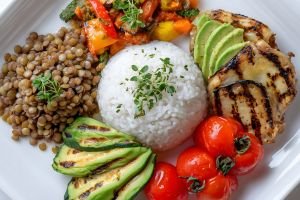
Instead of eating a huge serving at dinner, spread your protein intake throughout the day.
Your body absorbs protein more efficiently in smaller, steady amounts — around 20–30 grams per meal is ideal for most adults.
Example:
- Breakfast: Greek yogurt with chia seeds.
- Lunch: Lentil salad or grilled chicken wrap.
- Dinner: Quinoa bowl with beans or tofu.
This pattern helps maintain energy, muscle repair, and blood sugar balance all day long.
2. Mix and Match Sources
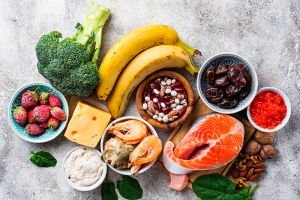
Don’t rely on one source of protein. Combine plant and animal proteins (if you consume both) or pair complementary plant proteins for a complete amino acid profile.
Great combos include:
- Rice + lentils
- Hummus + whole wheat pita
- Tofu + quinoa
- Peanut butter + oats
Variety ensures your body gets a full spectrum of amino acids and micronutrients.
3. Prioritize Whole Foods Over Processed Products

Protein bars and powders can be convenient, but they should supplement your diet, not replace real food. Whole foods like lentils, paneer, eggs, or fish provide natural proteins without unnecessary additives, sodium, or sugar.
Pro tip: If using protein powders, choose clean-label options with minimal ingredients and no artificial sweeteners.
4. Stay Hydrated

Protein metabolism produces urea, which your kidneys filter out. Adequate water intake helps flush these byproducts efficiently. Aim for at least 8–10 glasses of water per day, especially if your diet is protein-rich.
5. Listen to Your Body

Everyone’s protein needs differ based on age, activity level, and goals.
Athletes and active individuals may need 1.2–2.0 grams per kilogram of body weight, while sedentary adults may require less.
Signs you may need more protein include fatigue, hair loss, weak nails, frequent hunger, and slow recovery from workouts.
6. Don’t Skip Protein at Breakfast

Morning meals often lack adequate protein. Starting your day with a protein-rich breakfast helps curb cravings, stabilize blood sugar, and boost metabolism.
Try:
- Scrambled eggs with veggies
- Greek yogurt with nuts
- Oats with protein powder or seeds
7. Focus on Balance, Not Extremes

Too much protein — especially from animal sources — can strain kidneys and displace other important nutrients like fiber and antioxidants. Aim for balance by pairing proteins with whole grains, vegetables, and healthy fats.
8. Think Long-Term Sustainability

The smartest protein diet isn’t a short-term fix — it’s one you can sustain for years. Prioritize variety, moderation, and mindful sourcing.
Remember, a truly healthy diet isn’t about “high-protein” — it’s about right-protein.
Conclusion
Protein has always been essential — but now, we understand it in a whole new way.
It’s not just about quantity, it’s about quality, variety, and balance. The smartest diets today don’t depend on one source — they combine plant-based, animal, and modern alternatives to create meals that are nutritious, satisfying, and sustainable.
By focusing on amino acid diversity, clean ingredients, and mindful eating, you nourish your body with protein that truly works for you — supporting not only your muscles but also your energy, immunity, hormones, and long-term wellness.
In the end, rethinking protein is about more than diet — it’s about a lifestyle shift. One that values nourishment over numbers, sustainability over convenience, and smart choices over extreme ones.
Whether you’re enjoying a chickpea bowl, adding hemp seeds to your smoothie, or simply choosing yogurt over a sugary snack — every small decision counts.
✨ Eat smart, choose consciously, and let your protein power your body — and the planet — towards a healthier future.
FAQs
1. How much protein do I really need per day?
It depends on your activity level and age. Generally, adults need 0.8–1.2 grams of protein per kilogram of body weight, while athletes may require up to 2.0 g/kg.
2. Can I get enough protein on a vegetarian or vegan diet?
Yes! By combining foods like lentils, quinoa, tofu, chickpeas, and nuts, you can easily meet your protein needs with all essential amino acids.
3. What’s the difference between complete and incomplete proteins?
Complete proteins contain all nine essential amino acids (e.g., eggs, soy, quinoa), while incomplete ones (e.g., lentils, nuts) may lack one or two — but pairing them makes them complete.
4. Are protein powders safe to use daily?
Yes, if chosen wisely. Opt for clean-label powders with minimal additives or sugar. They’re best used to supplement, not replace, whole foods.
5. Can too much protein harm your kidneys?
Excessive protein, especially from animal sources, may strain kidneys in those with pre-existing issues. Balance and hydration are key for safe consumption.
6. Which plant-based proteins are most effective for muscle gain?
Soy, lentils, quinoa, tempeh, and peas are top choices. Combining them with resistance training enhances muscle synthesis.
7. How can I tell if I’m not getting enough protein?
Common signs include fatigue, brittle nails, hair loss, frequent hunger, and slow recovery after exercise or illness.
8. Is it necessary to eat protein immediately after workouts?
Ideally, yes. Eating protein within 30–60 minutes post-workout helps repair muscles and improve recovery.
9. What are the best high-protein snacks for busy days?
Greek yogurt, boiled eggs, roasted chickpeas, nuts, paneer cubes, or protein smoothies are excellent grab-and-go options.
10. How can I make my diet more sustainable without cutting protein?
Include more plant-based meals, reduce red meat, and choose locally sourced, eco-friendly protein options like legumes, seeds, and organic dairy.