


For years, most of us have focused only on what we eat — more protein, fewer carbs, healthier fats, salads, smoothies, and so on. But new research is revealing something equally important that we often overlook: the timing of your meals. Your body doesn’t function the same way throughout the day. Your digestion, metabolism, hormones, and even your energy levels rise and fall based on an internal 24-hour clock known as the circadian rhythm.
What makes this even more interesting is that your gut microbiome — the trillions of helpful bacteria living inside your digestive system — also follows this daily rhythm. These microbes have their own schedule: they become active in the morning, work at their peak during the day, and slow down at night to rest and repair.
So when you eat at the right time, you support their natural rhythm — and your digestion becomes smoother, your hormones stay stable, and your sleep improves. But when your eating pattern becomes irregular, your gut bacteria get confused, leading to issues like bloating, acidity, cravings, weight gain, and disturbed sleep.
This is what Food & Microbiome Timing is all about — aligning when you eat with how your gut naturally functions. It’s not a strict diet; it’s a lifestyle rhythm that helps your body work the way it’s designed to.
In this blog, we’ll explore how the timing of your meals affects your gut health, metabolism, hormones, and sleep — and how small adjustments in your daily schedule can make a big difference in how you feel.
Your Body Has a Clock — And Your Gut Lives by It Too
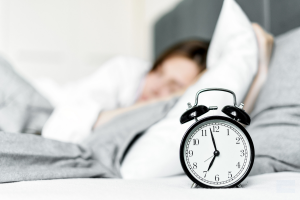
Your body is not functioning randomly throughout the day. It works according to a built-in 24-hour schedule called the circadian rhythm. This rhythm controls everything — your hunger, digestion, metabolism, body temperature, energy levels, hormone release, and even your sleep quality.
But here’s the part most people don’t know:
Your gut microbiome — the trillions of bacteria living inside your intestine — also follows this same clock.
Just like humans, these tiny organisms have:
- A “wake up time”
- A “work time”
- A “slow-down time”
- A “repair and rest time”
Here’s how your gut bacteria behave throughout the day:
Morning:
Your microbes slowly wake up. They prepare your intestine for digestion, regulate bowel movements, and help you feel hungry.
Afternoon:
This is their most active period. They break down food, absorb nutrients, and support metabolism.
Evening:
Their activity slows. The digestive system becomes less efficient.
Night:
This is the MOST important phase. Your gut bacteria repair cells, strengthen the gut lining, reduce inflammation, and detoxify waste.
When you eat in a way that supports this natural rhythm, your gut stays balanced and healthy.
But when you constantly snack, eat late dinners, or have irregular meal timings, you interrupt the natural clock of your gut bacteria, making them confused and less efficient.
This leads to indigestion, bloating, low energy, poor sleep, and hormonal imbalance.
Why Meal Timing Matters More Than You Realise
Most people think “healthy eating” means focusing only on what you eat—salads, oats, protein, fruits.
But in reality, timing is equally important because your body’s ability to digest and absorb nutrients is not the same 24/7.
Meal timing affects:
- How well you digest food
- How your blood sugar responds
- How your hormones behave
- How your body burns calories
- How much energy you have
- How your gut bacteria function
- How you sleep at night
Your digestive enzymes are naturally higher during the daytime.
Your metabolism is naturally faster before sunset.
Your blood sugar tolerance is better earlier in the day.
So when you follow your body’s rhythm and eat at the right times, you feel lighter, more energetic, and less bloated.
But when you don’t:
- Your metabolism slows
- Food ferments in the gut
- Acidity increases
- Insulin spikes
- Fat gets stored easily
- Sleep becomes disturbed
Meal timing can literally change how your digestive system, hormones, and even mood function every day.
How Late-Night Eating Disrupts Your Gut & Sleep
Late-night eating is one of the biggest reasons people wake up feeling:
- Bloated
- Acidic
- Tired
- Puffy
- Low-energy
Your body is not designed to digest food when it is preparing to sleep.
After sunset, your digestion slows down because melatonin (sleep hormone) starts increasing.
Why late-night eating is harmful:
1. Your stomach empties slower at night
Food stays longer in your gut → causing heaviness, gas, acidity, and bloating.

2. Insulin sensitivity drops
Your body stores calories as fat instead of burning them.
3. Gut bacteria get confused
Nighttime is repair time for microbes.
Eating forces them to work → reducing good bacteria and increasing harmful ones.

4. Poor sleep quality
Your body keeps digesting when it should be resting.
This reduces deep sleep and increases night awakenings.

5. Hormonal imbalance
Late eating spikes cortisol (stress hormone) and disturbs melatonin (sleep hormone).
So even if you eat “healthy food” at night, the timing makes it difficult for your body to digest properly.

The Best Times to Eat for Better Digestion, Hormones & Sleep
Your body follows a daily rhythm, and the best eating times match your natural hormonal flow.
Morning (7–9 AM) — “Kickstart the System”
Your metabolism starts rising. Your gut prepares to digest food.
Eating now supports stable energy and better focus for the day.
Midday (12–2 PM) — “Digestive Peak Time”
This is when your digestive power is highest.
Stomach acid, enzymes, and gut bacteria are all fully active.
Your body can handle heavier meals easily.
Evening (6–8 PM) — “Wind-Down Phase”
Digestion slows down.
The earlier your dinner, the better your sleep and gut repair.
Night (After 9 PM) — “Repair Mode”
Your body is not designed to digest now.
It’s repairing cells, reducing inflammation, and restoring your microbiome.
Eating against this rhythm creates digestive stress.
Eating along with it builds long-term gut health.
What to Eat at Each Time of the Day
Your gut needs different types of foods at different times.
Morning (Breakfast)
Your gut is waking up. Choose foods that energize but don’t overwhelm digestion.
Best options:
- Fresh fruits
- Curd or buttermilk
- Rolled oats with seeds
- Poha, upma, vegetable dalia
- Eggs
- Chia pudding
- Smoothies (fiber + protein based)
These foods support digestion, stabilize blood sugar, and reduce cravings later.
Afternoon (Lunch)
Your digestion is strongest, so this should be your largest and most balanced meal.
Best options:
- Dal + rice + sabzi
- Roti + veg + curd
- Paneer/lean chicken + grains
- Rajma, chole, or chickpeas
- Millet bowls
- Fermented foods like buttermilk
This helps maintain energy through the day and supports gut bacteria diversity.
Evening (Dinner)
Your gut is slowing down. Eat light, simple foods that don’t overload digestion.
Best options:
- Khichdi
- Soup + stir-fried veggies
- Vegetable dalia
- Idli + sambhar
- Grilled vegetables
- Light sabzi + phulka (small portion)
Avoid heavy curries, sweets, fried foods, or overeating at night.
Common Meal Timing Mistakes That Disrupt Gut Health
These everyday habits silently harm your gut:
Eating irregularly every day
Your gut loves routine. Random timings confuse your digestive hormones.
Eating too late at night
Slows digestion and affects sleep.
Skipping meals and overeating later
Leads to acidity, cravings, and poor gut movement.
Constant snacking
Your gut never gets a chance to rest — leading to gas, bloating, and indigestion.
Drinking coffee on an empty stomach
Irritates the gut lining and disturbs microbiome balance.
Eating too fast
Your body doesn’t get time to signal fullness → overeating + bloating.
Heavy, oily dinners
Worst for nighttime digestion and sleep.
These habits weaken good bacteria and increase inflammation over time.
How Consistent Timing Strengthens Your Gut Microbiome
When you eat around the same time daily, your gut bacteria know when to work and when to rest.
This creates a healthy rhythm inside your digestive system.
Benefits of consistent meal timing:
✔ More good gut bacteria
✔ Better digestion
✔ Less bloating and acidity
✔ Stronger gut lining
✔ Reduced inflammation
✔ Better sugar control
✔ Stable mood
✔ Fewer cravings
✔ Improved metabolism
Consistency also improves the “migrating motor complex” — the gut’s natural cleaning wave that removes waste between meals.
This wave only works when you stop eating.
So consistent meals + proper gaps = a clean, healthy gut.
Here’s how late eating affects sleep:
1. Your gut stays active → brain stays alert
Your nervous system cannot relax fully because digestion takes priority.

2. Acid reflux increases
Eating late increases the risk of heartburn while sleeping.

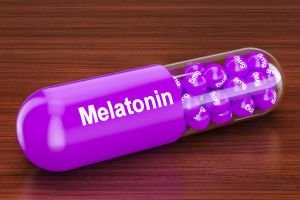
3. Melatonin release gets delayed
Melatonin allows your body to enter restful sleep. Late-night eating blocks its release.
4. Increased nighttime bathroom trips
More digestion = more water demand = disturbed sleep.

5. Next-day fatigue, headaches, cravings
Because your gut didn’t get repair time, your morning energy is low.

But when you maintain a 2–3 hour gap between dinner and sleep, your body:
- Enters deep sleep faster
- Repairs gut lining
- Reduces inflammation
- Improves hormone balance
- Boosts metabolism
In simple words:
Better dinner timing = better gut = better sleep = better mood and better health.
Conclusion
Your body isn’t just influenced by what you eat — it’s deeply shaped by when you eat. Your gut microbes follow a natural rhythm, your hormones respond to your meal schedule, and your sleep quality depends on how early or late you fuel your body. When you start aligning your eating habits with your internal clock, digestion feels smoother, energy becomes more stable, cravings reduce, and sleep becomes deeper and more refreshing.
The best part? You don’t need dramatic changes. Simple habits like eating earlier, staying consistent with meal timing, avoiding late-night snacking, and giving your gut a longer night-time break can transform your health more than you realise.
Think of meal timing as a daily reset button — when you use it wisely, your gut thrives, your metabolism stays balanced, and your entire body functions in harmony. Start small, stay consistent, and let your internal clock work for you, not against you.
FAQs
1. What does “food and microbiome timing” mean?
It refers to the idea that when you eat affects how well your gut bacteria work. Your gut microbes follow a daily rhythm, and eating at the right times helps them digest food better, support your hormones, and improve your sleep.
2. Can meal timing really influence digestion?
Yes. Your gut is more active during the daytime, especially in the morning and afternoon. When you eat regularly and avoid late eating, your digestion becomes smoother and less bloated.
3. How does late-night eating harm the gut?
At night, your gut slows down. If you eat late, food sits longer in your intestines, causing gas, acidity, poor sleep, and imbalance in gut bacteria.
4. What is the best time to eat dinner?
Ideally, 6:30–7:30 PM. This gives your body time to digest before sleep and supports better gut health, metabolism, and sleep quality.
5. Does skipping breakfast affect the gut microbiome?
Skipping occasionally is fine, but doing it daily can disturb hunger hormones and slow down metabolism. A consistent morning meal helps regulate your internal clock.
6. Should I maintain fixed meal timings every day?
Yes. Regularity helps your gut microbes predict your eating pattern, which improves digestion, energy, and hormone balance.
7. How long should the gap be between dinner and bedtime?
A gap of 2.5–3 hours is ideal. It prevents acidity, supports detoxification, and improves deep sleep.
8. Can eating too frequently harm the gut?
Yes. Constant snacking gives your gut no rest. Your digestive system needs breaks to complete the “clean-up cycle,” which only happens in between meals.
9. What foods support the microbiome when eaten at the right time?
Morning: fruits, nuts, oats, fermented foods
Afternoon: balanced meals with proteins + fibre
Evening: lighter foods like soups, khichdi, vegetables
10. Does fasting help the gut microbiome?
Intermittent fasting or simply extending your night-time gap (12 hours) helps your gut repair itself, improves microbial diversity, and resets your internal rhythm.