
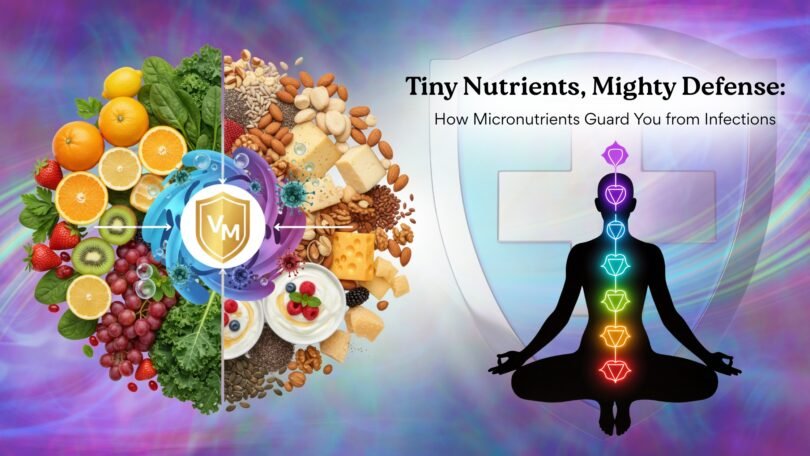

In today’s fast-paced world, our bodies are constantly exposed to stress, pollution, processed food, harmful microbes, and lifestyle habits that weaken our immunity without us even realizing it. We talk a lot about “boosting immunity,” yet most people only focus on big-picture strategies — drinking kadha, taking supplements, or loading up on protein. But the real magic of a strong immune system doesn’t come from one big nutrient or one superfood. It comes from tiny, invisible warriors working silently in the background: micronutrients.
These vitamins and minerals may be required in minuscule amounts, but their impact on your immune defense is enormous. Think of them as the screws, bolts, and gears inside a machine — you can’t see them, but the moment even one is missing, the entire system starts malfunctioning. Your immune system is no different.
Every time you fight a cold, recover from a fever, heal a wound, or protect yourself from seasonal infections, micronutrients are at work. They help your body build immune cells, repair tissues, form antibodies, maintain a healthy gut, and reduce inflammation — often without you noticing. Yet, modern diets, irregular eating habits, stress, and insufficient sun exposure have made micronutrient deficiencies extremely common, even in people who believe they are “eating healthy.”
Understanding how these tiny nutrients power your body’s defense system can completely transform the way you look at food and immunity. When your body gets the right micronutrients consistently, your immune system becomes sharper, faster, and stronger — like upgrading from basic protection to an advanced security system.
Let’s dive deeper into how these small but mighty nutrients protect you from infections and why they deserve a permanent place in your daily plate.
What Are Micronutrients? And Why Are They Essential?
Micronutrients are the vitamins and minerals your body needs in tiny, micro-level quantities — but don’t let their size fool you. Even though they’re required in milligrams or micrograms, they play some of the biggest roles in keeping you alive, energetic, and infection-free.
Unlike carbohydrates, proteins, and fats (which give you energy and build tissues), micronutrients act like the spark plugs that keep your internal engine running smoothly. Every heartbeat, breath, immune response, hormone production, brain function, and cell repair depends on these tiny nutrients.
Why the Body Cannot Function Without Micronutrients
Your body cannot produce most vitamins and minerals on its own. That means you must rely entirely on food to supply them.
When your diet lacks these nutrients—even slightly—your immune system becomes sluggish, your metabolism slows down, and your body becomes vulnerable to infections.
Here’s why micronutrients are absolutely essential:
1. They Build and Strengthen Immune Cells
Your immune system is like an army, constantly fighting viruses, bacteria, fungi, and other pathogens.
Micronutrients such as vitamin C, vitamin D, zinc, iron, selenium, and vitamin A help:
- Produce more immune cells
- Strengthen existing immune cells
- Improve communication between immune cells
- Increase antibody production
Even a mild deficiency can reduce the effectiveness of your body’s defense system.
2. They Maintain the Body’s Physical Barriers
Your skin, gut lining, respiratory tract, and mucous membranes are the first shields against infections.
Vitamins like A, C, E, and minerals like zinc keep these barriers strong, well-hydrated, and resistant to invading pathogens.
When these nutrients are lacking, germs get easy access into your body.
3. They Reduce Inflammation and Oxidative Stress
Infections increase inflammation inside the body.
Micronutrients such as:
- Vitamin C
- Vitamin E
- Selenium
- Magnesium
act as antioxidants, neutralizing harmful free radicals and speeding up healing.
Without them, inflammation remains high — making infections more frequent and recovery slower.
4. They Support Gut Health — The Core of Immunity
Did you know 70% of your immunity resides in your gut?
Micronutrients like B vitamins, zinc, iron, and magnesium nourish good bacteria and strengthen the gut wall, preventing toxins and pathogens from entering the bloodstream.
A micronutrient-poor diet often leads to:
- acidity
- bloating
- constipation
- frequent infections
5. They Help Your Body Manage Stress — A Hidden Immunity Killer
Chronic stress drains your immune strength.
Micronutrients like magnesium, vitamin B6, B12, and vitamin C regulate cortisol (the stress hormone), helping your body stay calm and resilient.
Low micronutrients = high stress
High stress = weak immunity
6. They Act as Co-factors for Hundreds of Reactions
Every second, thousands of biochemical reactions take place inside your body—digesting food, repairing cells, fighting germs, producing energy.
Micronutrients act as co-factors, meaning they help these reactions happen correctly and efficiently.
Imagine trying to run a factory with missing tools — this is what your body feels like when micronutrients are low.
Invisible Deficiencies, Visible Consequences
Micronutrient deficiencies aren’t always dramatic. They often show up as:
- frequent colds
- fatigue
- hair fall
- dull skin
- slow wound healing
- digestive issues
- repeated fevers
- low concentration
These tiny signs are your body’s way of saying:
“I don’t have enough nutrients to protect you.”
How Micronutrients Strengthen Your Immune System
Your immune system is not a single organ—it is a complex network of cells, tissues, barriers, and biochemical reactions working round the clock to protect you. For this system to function efficiently, it needs the right micronutrients at the right time and in the right amounts.
Think of micronutrients as the “mini-commanders” that activate, train, fuel, and guide your immune army. Without these vitamins and minerals, your body simply cannot recognise invaders, fight infections, or heal properly.
Let’s break down how these tiny nutrients create a powerful immune defense inside you.
1. Vitamin C — The Infection Fighter
Vitamin C is one of the most studied immunity-boosting nutrients. It doesn’t just reduce the duration of infections — it strengthens your immune system at multiple levels.
How It Protects You
- Boosts white blood cell production: Vitamin C fuels neutrophils and lymphocytes, the two major types of immune cells that attack viruses and bacteria.
- Enhances skin barrier: Your skin is the first physical layer of protection. Vitamin C strengthens collagen and keeps this barrier firm.
- Neutralizes free radicals: Infections increase oxidative stress. Vitamin C reduces this damage and protects cells from inflammation.
- Improves recovery rate: Higher vitamin C levels help reduce the severity of colds and speed up healing.
Best Sources
Amla, guava, citrus fruits, kiwi, bell pepper, berries, tomatoes.
Deficiency Signs
Frequent colds, slow wound healing, fatigue, gum swelling, skin issues.
2. Vitamin D — Your Immune System’s ‘Commander’
Vitamin D acts as the leader that instructs immune cells when to activate, attack, or calm down. People with low vitamin D often fall sick more easily.
How It Protects You
- Activates immune cells: T-cells and macrophages need vitamin D to switch into “attack mode” when a pathogen enters.
- Reduces respiratory infections: Studies show low vitamin D increases susceptibility to flu, cold, and bronchial infections.
- Controls inflammation: It prevents your immune system from becoming overactive, reducing chronic inflammation.
Best Sources
Morning sunlight, fortified milk, mushrooms, egg yolk, fish.
Deficiency Signs
Low immunity, bone pain, fatigue, muscle weakness, frequent infections.
3. Zinc — The Cell Protector
Zinc plays a vital structural and functional role in immune cell development. It is especially important during viral infections.
How It Protects You
- Prevents viral replication: Zinc disrupts the ability of viruses to multiply inside your cells.
- Supports wound healing: It promotes collagen production and tissue repair.
- Maintains gut barrier: Since 70% of your immune system lies in the gut, zinc helps strengthen this barrier.
- Enhances antibody response: Zinc is required for the formation of antibodies after infections or vaccinations.
Best Sources
Pumpkin seeds, nuts, legumes, whole grains, chickpeas, eggs.
Deficiency Signs
Loss of appetite, slow wound healing, frequent infections, hair fall, poor taste or smell.
4. Iron — Oxygen Carrier & Immunity Booster
Iron is not just for hemoglobin — your immune cells need a constant supply of oxygen to function properly.
How It Protects You
- Supports immune cell energy: Without enough iron, immune cells become weak and sluggish.
- Helps produce lymphocytes: These cells identify and destroy harmful pathogens.
- Strengthens physical barriers: Iron helps keep mucosal tissues healthy, preventing pathogens from entering.
Best Sources
Beetroot, spinach, raisins, liver, sprouts, millets (ragi, bajra).
Deficiency Signs
Weakness, pale skin, low focus, dizziness, repeated infections.
5. Vitamin A — The Mucosal Defender
Vitamin A keeps your internal linings strong — the areas where infections usually begin.
How It Protects You
- Strengthens mucous membranes: It protects throat, lungs, and gut lining, making it harder for microbes to enter your bloodstream.
- Regulates immune responses: Vitamin A ensures that your immune system responds quickly when needed but calms down afterward.
- Improves vision and skin health: Healthy eyes and skin also support immunity.
Best Sources
Carrots, sweet potatoes, papaya, pumpkin, green leafy vegetables.
Deficiency Signs
Dry skin, weak night vision, frequent respiratory infections, dry eyes.
6. B Vitamins — The Energy & Immunity Partners
The B-complex family, especially B6, B9 (folate), and B12, plays a direct role in building and maintaining your immune system.
How They Protect You
- Create immune cells: B vitamins help produce red and white blood cells that defend you.
- Reduce stress impact: Stress drains immunity, and B vitamins help balance stress hormones.
- Support gut microbes: A healthy gut microbiome produces immune-protective compounds.
Best Sources
Whole grains, eggs, milk, legumes, nuts, seeds.
Deficiency Signs
Fatigue, mood swings, low immunity, tingling in hands/feet, digestive problems.
7. Selenium — The Antioxidant Shield
Selenium may be required in small quantities, but its impact on immunity is huge. It works closely with vitamin E to reduce inflammation.
How It Protects You
- Boosts antioxidant activity: It is part of glutathione peroxidase — one of the strongest antioxidant enzymes in the body.
- Controls viral activity: Some viruses multiply rapidly in selenium-deficient bodies.
- Protects immune cells: Selenium reduces oxidative stress and keeps immune cells healthy and active.
Best Sources
Eggs, fish, sunflower seeds, whole grains.
Deficiency Signs
Increased infections, fatigue, muscle weakness, poor thyroid function.
8. Magnesium — Stress Regulator & Immune Stabilizer
Magnesium supports over 300 biochemical reactions, many of which are crucial for immune balance and stress control.
How It Protects You
- Regulates stress hormones: High stress suppresses immunity; magnesium helps calm the nervous system.
- Supports sleep quality: Poor sleep weakens immune defenses, and magnesium improves relaxation and deep sleep.
- Assists immune reactions: It helps convert food into energy and supports protein synthesis required for immune cells.
Best Sources
Almonds, spinach, cashews, bananas, seeds, whole grains.
Deficiency Signs
Cramps, fatigue, irritability, sleep issues, anxiety, low immunity.
How Micronutrient Deficiency Increases Infection Risk
Micronutrient deficiencies do not cause infections directly — but they weaken your body’s natural defense in a way that makes infections much easier to catch and much harder to fight. Think of your immune system as a multi-layered shield. When even one essential nutrient is missing, cracks begin to form in this shield, giving viruses and bacteria a clear pathway to enter, survive, and spread.
Here’s how deficiencies in key micronutrients increase your vulnerability:
1. Weakens Physical Barriers (Skin, Throat, Lungs, Gut)
Nutrients like vitamin A, vitamin C, zinc, and iron keep your skin, respiratory linings, and gut wall strong. These are the first guard checkpoints where most infections start.
When you lack these nutrients:
- Your skin becomes dry and less protective
- The mucous membranes in your throat and lungs thin out
- Your gut barrier becomes “leaky,” letting pathogens slip through
- Wounds heal slower, giving bacteria more time to grow
This means germs can enter your body more easily and settle quickly.
2. Reduces Production of Immune Cells
Your body requires vitamin C, vitamin D, B vitamins, iron, and zinc to create white blood cells.
If you’re deficient:
- Fewer defence cells are produced
- Existing immune cells become weak and sluggish
- The body’s “alert and attack” system slows down
This results in a delayed immune response, allowing infections to spread before your body reacts.
3. Weakens Antibody Production
Antibodies are the memory soldiers of your immune system. They help your body recognize and neutralize viruses faster.
Low levels of zinc, selenium, vitamin D, and B12 lead to:
- Fewer antibodies being produced
- Lower-quality antibodies that don’t work efficiently
- Poor response to vaccines and repeated infections
This means even common infections may last longer or come back frequently.
4. Increases Inflammation and Oxidative Stress
Deficiencies in vitamin C, vitamin E, magnesium, and selenium reduce your body’s ability to fight inflammation and free radicals.
This results in:
- Higher inflammation throughout the body
- Slower recovery after infections
- More cell damage
- Increased severity of colds, fevers, and respiratory infections
The inflammatory stress makes it easier for infections to grow uncontrolled.
5. Disrupts Gut Health — 70% of Immunity Lives Here
Your gut houses good bacteria that help fight viruses and harmful microbes.
Micronutrients like B vitamins, zinc, magnesium, and vitamin D support a healthy gut microbiome.
When deficient:
- Gut bacteria become imbalanced
- Infection-fighting compounds reduce
- Digestion weakens, reducing nutrient absorption
- Gut lining becomes porous
This weakens your entire immune system, since most immune cells are trained in the gut.
6. Impairs Energy Production
Your immune cells need a constant supply of energy to function.
Low B vitamins, iron, magnesium = poor mitochondrial energy production.
This leads to:
- Fatigue
- Slow immune reaction
- Reduced healing
- Low stamina for the body to fight infections
You may feel tired all the time, and your body struggles to stay strong.
7. Causes Hormonal Imbalances That Lower Immunity
Micronutrients regulate hormones like cortisol, insulin, and thyroid hormones.
Low magnesium, vitamin D, selenium, and iron can cause:
- High stress hormones
- Poor thyroid function
- Blood sugar fluctuations
Chronic stress and hormonal imbalance instantly reduce immunity, increasing infection risk.
8. Makes the Body Overreact or Underreact
Your immune system needs balance.
Some micronutrients (like vitamin D and magnesium) help regulate when to start and when to stop an immune response.
If deficient:
- Your response may be too weak → more infections
- OR too strong → chronic inflammation and slower recovery
Either way, the body struggles to protect itself effectively.
The Micronutrient–Gut Connection: Why Your Gut Health Depends on Tiny Nutrients
Your gut is often called the “headquarters of immunity” — and for a good reason. Nearly 70% of your immune cells live in the gut, constantly monitoring what enters your body and deciding how to react. But this entire system depends heavily on micronutrients to function smoothly.
Micronutrients are not just immune boosters; they are also the architects, protectors, and support staff of your gut. When your gut is healthy, your immunity automatically strengthens. And when it is not, your body becomes more vulnerable to infections, inflammation, and diseases.
Here is a deep dive into how micronutrients maintain your gut health and keep your immune defenses strong:
1. Micronutrients Feed Your Gut Microbiome — The “Good Bacteria”
Your gut microbiome consists of trillions of beneficial bacteria that protect you from harmful pathogens.
Micronutrients like B vitamins, magnesium, zinc, and polyphenol-activated vitamins support this microbiome by:
- Helping good bacteria grow and multiply
- Maintaining microbial balance (preventing harmful bacteria overgrowth)
- Supporting fermentation processes that create immunity-boosting compounds
- Reducing gut inflammation so good bacteria can thrive
A nutrient-rich diet leads to a diverse and powerful gut microbiome, which directly increases immunity.
2. They Maintain the Gut Barrier — The “Security Wall”
Your gut lining acts like a selective wall that decides what gets absorbed and what stays out.
Micronutrients like vitamin A, zinc, vitamin D, and iron:
- Repair damaged gut lining
- Strengthen tight junctions between intestinal cells
- Prevent “leaky gut,” where toxins and microbes slip into the bloodstream
- Keep mucous membranes hydrated and healthy
When these nutrients are low, the gut barrier weakens, giving harmful microbes easy access to your body.
3. They Reduce Gut Inflammation
Chronic inflammation in the gut can destroy good bacteria and weaken your immune system.
Micronutrients like vitamin C, vitamin E, selenium, and magnesium are powerful antioxidants that help:
- Reduce oxidative stress in the gut
- Calm inflammation caused by processed foods, stress, and infections
- Protect gut cells from free radical damage
- Improve healing after digestive infections
Lower inflammation means your gut works efficiently and your immunity stays strong.
4. They Support Digestive Enzymes and Nutrient Absorption
Micronutrients also help your body absorb nutrients more efficiently, creating a positive cycle.
For example:
- Magnesium supports enzyme function
- B vitamins help break down carbohydrates and proteins
- Iron supports oxygen delivery to digestive tissues
- Zinc supports stomach acid and digestive enzyme production
Better digestion = better nutrient absorption = stronger immunity.
5. They Improve Gut-Brain Communication
Your gut and brain talk constantly through the gut-brain axis using neurotransmitters and hormones.
Micronutrients like B6, magnesium, zinc, and vitamin D help:
- Produce neurotransmitters like serotonin and GABA
- Reduce stress-related gut disturbances
- Improve vagus nerve function
- Maintain emotional balance, which directly affects immunity
A calm mind leads to a calm gut — and a calm gut leads to a stronger immune system.
6. They Support the Production of Short-Chain Fatty Acids (SCFAs)
SCFAs like butyrate, propionate, and acetate are “fuel molecules” produced when healthy gut bacteria ferment fiber.
Micronutrients such as B-vitamins, magnesium, and certain minerals support this fermentation and benefit the body by:
- Strengthening gut lining
- Improving nutrient absorption
- Supporting immune cell development
- Regulating inflammation
SCFAs are one of the strongest natural protectors against infections.
7. They Assist in Detoxification and Pathogen Removal
Micronutrients such as selenium, zinc, vitamin C, and magnesium help your gut detoxify harmful compounds and flush out pathogens.
They:
- Support liver enzymes that filter out toxins
- Reduce harmful bacteria load
- Help neutralize microbial toxins
- Encourage the growth of bacteria that prevent infections
This ensures your body is constantly clearing bad microbes instead of letting them multiply.
How to Build a Micronutrient-Rich Diet
Designing a micronutrient-rich diet isn’t about eating exotic ingredients or taking multiple supplements. It’s about making smart, consistent food choices that supply your body with a steady flow of vitamins and minerals throughout the day.
A nutrient-rich diet works like a strong shield — it keeps your immune system active, your energy stable, and your body protected from infections. Here’s how you can build one easily:
1. Fill Half Your Plate with Colourful Fruits and Vegetables
Think of your plate as a rainbow. Each colour represents different vitamins, minerals, and antioxidants your body needs.
Why this helps:
- Colourful foods are packed with vitamin C, vitamin A, folate, potassium, and phytonutrients.
- More colours = more nutrient diversity = stronger immunity.
Practical tips:
- Include at least 3–4 colours in every meal.
- Add berries, papaya, citrus, beetroot, pumpkin, amla, and leafy greens often.
- Rotate vegetables weekly so your body gets a variety of micronutrients.
2. Choose Whole Grains Over Refined Grains
Refined grains lose almost 60–70% of their micronutrients during processing. Whole grains retain their bran and germ, which are rich in minerals and B vitamins.
Why this helps:
- Support energy production
- Improve gut health
- Provide magnesium, zinc, selenium, and iron
Practical choices:
- Brown rice instead of white
- Millets like ragi, bajra, jowar
- Whole wheat roti instead of maida
- Oats, quinoa, red rice, barley
3. Add a Protein Source to Every Meal
Protein-rich foods naturally carry essential micronutrients like B vitamins, zinc, iron, and selenium.
Why this helps:
- Builds and repairs immune cells
- Keeps blood sugar stable
- Improves nutrient absorption
Best options:
- Vegetarians: lentils, beans, sprouts, paneer, curd, tofu, nuts
- Non-vegetarians: eggs, fish, chicken, lean meats
Make sure every meal includes at least one protein source.
4. Include Healthy Fats for Better Vitamin Absorption
Vitamins A, D, E, and K are fat-soluble — without healthy fats, your body cannot absorb them effectively.
Healthy fat choices:
- Nuts and seeds: almonds, walnuts, chia, flaxseed, pumpkin seeds
- Avocado
- Cold-pressed oils: olive, mustard, coconut, sesame
- Fatty fish like salmon, sardines
Tip:
Add a teaspoon of healthy fat to meals containing leafy greens or orange-coloured veggies to boost vitamin A absorption.
5. Prioritize Gut-Friendly Foods for Better Nutrient Uptake
A strong gut improves absorption of micronutrients and boosts immunity.
Include these:
- Probiotics: curd, buttermilk, yoghurt, kefir
- Prebiotics: bananas, onions, garlic, oats, apples
- Fermented foods: idli, dosa batter, pickles (naturally fermented)
A healthy gut = better nutrient absorption.
6. Snack Smarter with Nutrient-Dense Options
Replace junk foods with immunity-boosting snacks.
Try these:
- Fruit bowls with nuts
- Roasted chana
- Seed mix (sunflower, pumpkin, flax)
- Sprout chaat
- Vegetable sticks with hummus
These provide zinc, magnesium, fiber, vitamin C, and antioxidants.
7. Stay Hydrated to Support Cellular Nutrition
Water transports vitamins and minerals throughout your body.
Why hydration matters:
- Improves digestion and nutrient absorption
- Helps lymphatic system function (key in immunity)
- Prevents tiredness caused by dehydration
Aim for 8–10 glasses/day, more in hot weather.
8. Use Cooking Methods That Preserve Micronutrients
Vitamin C, B vitamins, and some minerals degrade with excessive heat.
Best cooking methods:
- Steaming
- Stir-frying
- Pressure cooking for short durations
- Raw salads
- Light sautéing
Avoid:
Over-boiling, deep-frying, reheating multiple times.
9. Eat Seasonal and Local Produce
Seasonal foods naturally contain more nutrients and fewer chemicals.
Benefits:
- Higher vitamin content
- Better taste and freshness
- Boosted immunity due to natural antioxidants
Example:
- Winter: carrots, oranges, green peas, leafy greens
- Summer: watermelon, muskmelon, cucumber
- Rainy season: bottle gourd, ridge gourd, sprouts
10. Consider Supplements When Needed (But Not as Replacement)
Supplements should only fill gaps, not replace real food.
You may need supplements if you have:
- Vitamin D deficiency
- B12 deficiency
- Low iron levels
- Restricted diet (e.g., vegan, low-calorie)
Always take supplements under professional guidance.
Micronutrients vs. Supplements: What Should You Choose?
When people hear about the importance of vitamins and minerals, the first reaction is often:
“Should I start taking supplements?”
But before you buy a bottle of tablets, it’s crucial to understand the difference between getting micronutrients from real food and getting them from supplements. Both have their place — but they work very differently inside your body.
Let’s break it down clearly and practically.
1. Food-Based Micronutrients — Nature’s Perfect Package
Micronutrients found in foods come packaged with:
- Fiber
- Antioxidants
- Enzymes
- Phytochemicals
- Healthy fats
- Water
- Natural co-factors
These natural components work together to help your body absorb nutrients efficiently.
This is called nutrient synergy — something supplements can’t fully replicate.
Why food-based nutrients are superior:
✔ Better absorption
✔ Lower risk of overdose
✔ Come with disease-fighting compounds
✔ Improve gut health
✔ Support balanced immunity
✔ Promote long-term wellness
For example:
- Vitamin C from amla is absorbed better because it comes with bioflavonoids.
- Iron from leafy greens works better when eaten with vitamin-C rich foods.
- Magnesium in nuts also provides healthy fats and protein.
Food gives you complete nutrition, not just isolated vitamins.
2. Supplements — Concentrated, Isolated, and Helpful (When Needed)
Supplements are concentrated forms of vitamins or minerals that fill nutritional gaps when diet alone isn’t enough.
They are useful in situations like:
- Vitamin D deficiency (very common in India)
- Vitamin B12 deficiency (especially in vegetarians/vegans)
- Low iron levels or anemia
- Pregnancy and breastfeeding
- Digestive disorders that reduce absorption
- Elderly individuals with low appetite
- People recovering from illness
- Very low-calorie or restrictive diets
Benefits of supplements:
✔ Convenient and easy to take
✔ Provide precise dosage
✔ Correct deficiencies faster
✔ Useful when absorption is impaired
✔ Lifesaving in severe deficiencies
However, supplements do NOT replace balanced meals.
3. Why Supplements Should Not Be Your First Choice
Supplements are powerful — but overuse can cause harm.
Risks of relying too much on supplements:
❌ Overdose toxicity (especially iron, vitamin A, vitamin D)
❌ Imbalance between nutrients
❌ Reduced absorption of other minerals
❌ Hormonal disruption
❌ Stomach irritation
❌ Kidney strain (in excess calcium or vitamin C tablets)
❌ Not as effective as whole foods
Supplements are like medicine — useful, but not meant for daily, random consumption without guidance.
4. The Ideal Approach: “Food First, Supplements When Needed”
The smartest and healthiest strategy is to build your diet around micronutrient-rich foods and use supplements only when:
- A lab test shows deficiency
- A healthcare professional recommends it
- Diet alone cannot meet your needs
Why this approach works best:
✔ You get the full spectrum of nutrients
✔ Your immunity becomes naturally stronger
✔ Gut health improves
✔ Energy levels stabilize
✔ Risk of chronic diseases reduces
✔ You avoid supplement side effects
Food builds your base.
Supplements fix the gaps.
Together, they create strong long-term immunity.
5. How to Know When You Actually Need Supplements
Here are signs that supplementation might be necessary:
- Constant fatigue
- Frequent infections
- Hair fall
- Pale skin/lips
- Tingling in hands or feet
- Poor appetite
- Bone pain
- Irregular periods
- Slow wound healing
Get a simple blood test for:
- Vitamin D
- Vitamin B12
- Iron levels
- Ferritin
- Zinc (optional)
Only supplement what you are deficient in.
6. Practical Everyday Strategy
Here’s how you can balance both:
Daily approach:
🥗 Build meals rich in vegetables, fruits, whole grains, protein, seeds, nuts, and probiotics.
Weekly approach:
✔ Include a variety of colours and seasonal produce.
✔ Add iron + vitamin C combinations.
✔ Include magnesium-rich nuts/seeds.
Monthly check:
If symptoms persist → get blood tests → supplement accordingly.
Who Needs Extra Micronutrient Attention?
While everyone needs a balanced intake of vitamins and minerals, certain people are more vulnerable to deficiencies due to lifestyle, age, medical conditions, or dietary habits. For these individuals, paying closer attention to micronutrient intake is not just beneficial — it’s essential for strong immunity, proper healing, and overall health.
1. Children and Teenagers
Growing bodies demand a higher supply of micronutrients. Their bones, brain, hormones, and immune cells are all developing at rapid speed.
- Iron, zinc, vitamin A, and vitamin D are especially critical.
- Deficiencies during these stages can impair growth, reduce immunity, and affect cognitive development.
- Kids who are picky eaters, avoid certain food groups, or consume mostly packaged snacks may fall short.
2. Pregnant and Breastfeeding Women
Pregnancy dramatically increases the body’s nutrient needs because the mother supports two immune systems — her own and the growing baby’s.
- Increased demand for folate, iron, vitamin B12, iodine, calcium, and choline.
- Deficiencies can affect fetal development, immunity, and postpartum recovery.
- Breastfeeding mothers also require additional micronutrients since nutrients transfer via breast milk.
3. Adults Over 50
With age, the body’s ability to absorb nutrients declines. Appetite often reduces, and digestion slows down.
- Older adults often lack vitamin B12, vitamin D, calcium, magnesium, and zinc.
- These deficiencies weaken immunity, increase infection risk, delay wound healing, and accelerate muscle loss.
- Limited sun exposure and medications can further worsen deficits.
4. People with Digestive Issues
Conditions affecting nutrient absorption automatically increase micronutrient needs.
- These include IBS, IBD, celiac disease, Crohn’s disease, acid reflux, or gut dysbiosis.
- Since absorption is impaired, even a balanced diet may not meet the body’s micronutrient requirements.
- Iron, folate, B12, and fat-soluble vitamins (A, D, E, K) are commonly low in such individuals.
5. Strict Vegetarians and Vegans
Plant-based diets can be extremely healthy, but some nutrients are harder to obtain without animal foods.
- Commonly low nutrients include vitamin B12, iron, zinc, omega-3s, iodine, and calcium.
- Many plant sources contain phytates and oxalates that reduce mineral absorption.
- Careful planning or supplementation becomes important.
6. People with High Stress or Poor Sleep
Chronic stress drains nutrient stores faster than normal.
- Stress uses up magnesium, vitamin C, B-vitamins, and zinc.
- Poor sleep weakens immunity and increases inflammation, raising the body’s micronutrient demand.
- Those with hectic jobs or irregular schedules should consciously maintain micronutrient balance.
7. Individuals with Frequent Infections
If someone often falls sick — cold, flu, throat infections, or gut infections — it may signal weak micronutrient status.
- Low levels of vitamin D, zinc, selenium, and iron are commonly linked to repeated infections.
- Boosting these nutrients can shorten illness duration and enhance resistance.
8. Athletes and People Who Work Out Intensely
Exercise increases metabolic rate, muscle wear-and-tear, and antioxidant demand.
- Athletes often need more iron, B vitamins, magnesium, vitamin C, and electrolytes.
- Sweating also causes mineral loss, especially sodium, potassium, and zinc.
9. Individuals With Limited Sun Exposure
A large percentage of the population — especially office workers, students, and those living in apartments — suffer from vitamin D deficiency.
- Low Vitamin D weakens immunity, increases respiratory infections, and affects mood.
- These individuals must focus on dietary vitamin D sources or supplements (as advised by a doctor).
10. People on Restrictive Diets
Keto, intermittent fasting, detox diets, or extreme calorie-cutting often reduce micronutrient intake unintentionally.
- Skipping food groups → missing essential vitamins/minerals
- Eating too little → no variety
- Fasting windows → limited nutrient absorption opportunities
Such individuals must compensate through smart planning or supplementation.
Conclusion
Micronutrients may be tiny in size, but the role they play in defending your body is massive. In every breath you take, every wound you heal, every infection you fight — vitamins and minerals are silently working behind the scenes, strengthening your immunity and keeping every system of your body running smoothly.
Modern lifestyles, processed foods, lack of sunlight, stress, and rushed meals have made micronutrient deficiencies more common than ever. You may not see the signs immediately, but low levels of vitamin D, zinc, iron, B12, magnesium, or selenium slowly weaken your internal shield — making you more vulnerable to infections, fatigue, poor concentration, slow recovery, and chronic inflammation.
The good news? You have complete control over building your body’s defense system. And you don’t need extreme diets or expensive supplements.
What you need is consistency, variety, and whole foods that bring these power-packed nutrients naturally into your daily meals.
A colourful plate, mindful eating, well-planned meals, and regular checkups can go a long way in keeping your micronutrient levels in balance. And when needed, supplements — taken under professional guidance — can act as supportive nutrition, not replacements.
Think of micronutrients as your invisible army. You don’t always notice their presence, but the moment they are missing, your body feels the impact. When they are balanced, your immunity becomes stronger, your energy stays stable, your mood improves, and you feel healthier from the inside out.
Nourish your body with these tiny warriors, and they will protect you with a mighty defense — today, tomorrow, and for years to come.
FAQs
1. What exactly are micronutrients and why do they matter for immunity?
Micronutrients are vitamins and minerals needed in very small amounts, but they control major immune functions — from producing white blood cells to healing tissues. Without them, your body cannot mount a strong defense against infections.
2. Can eating healthy still lead to micronutrient deficiencies?
Yes. Even people who “eat healthy” can be deficient because modern diets lack variety, soil quality has reduced nutrient content, and lifestyle factors like stress, less sunlight, or poor digestion affect absorption.
3. Which micronutrient deficiency affects immunity the fastest?
Vitamin D and zinc deficiencies show the fastest impact. Low vitamin D weakens immune activation, while low zinc reduces your body’s ability to stop viral replication.
4. How do I know if I need supplements or just food?
If symptoms like fatigue, frequent infections, hair fall, poor concentration, or slow healing persist, getting a blood test helps. If levels are low, supplements may be required temporarily — but food should always remain the foundation.
5. Can taking too many supplements boost immunity faster?
No. More is not better. Excess supplements can cause toxicity, digestive issues, or nutrient imbalance. Balanced intake through food plus guided supplementation is the safest approach.
6. Do children and teenagers need special micronutrient attention?
Yes. Growth spurts increase their requirements. Deficiencies in iron, vitamin D, B12, and zinc are extremely common in children and can affect immunity, energy, mood, and learning.
7. Can micronutrient-rich diets help prevent seasonal infections like colds and flu?
Absolutely. Nutrients like vitamin C, zinc, vitamin A, and selenium improve the body’s barrier defenses and help immune cells respond faster, reducing both the frequency and severity of seasonal infections.
8. Are plant-based diets enough to meet all micronutrient needs?
Yes, but they require planning. Vegans and vegetarians need to be extra mindful of B12, iron, zinc, and omega-3 intake because these nutrients are harder to get from plants alone.
9. How long does it take to fix a micronutrient deficiency?
It varies. Mild deficiencies improve within 4–6 weeks of consistent dietary changes, while severe ones may take 2–3 months with supplements. Vitamin D and iron deficiencies usually take the longest to correct.
10. Can improving micronutrient intake boost gut health and immunity together?
Yes. Micronutrients like zinc, magnesium, vitamin B complex, and vitamin A support gut lining repair, reduce inflammation, and nourish beneficial bacteria — all of which directly enhance immune strength.