
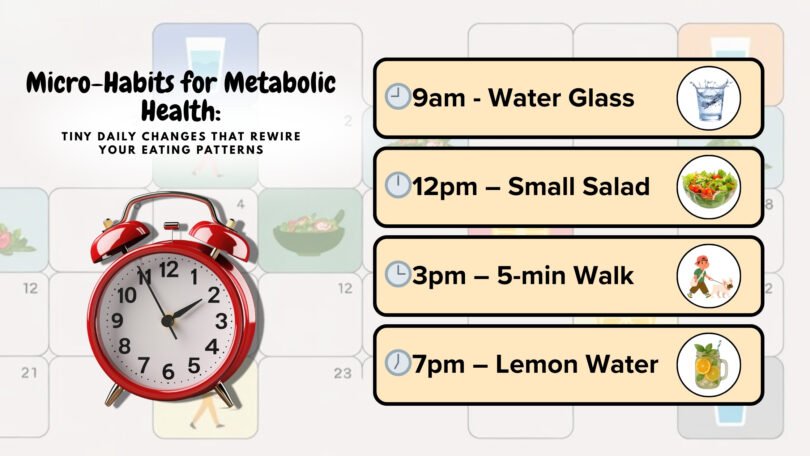

In the world of nutrition and wellness, most people believe that metabolic health improves only through strict diets, heavy workouts, or intense lifestyle overhauls. But modern nutrition science reveals a very different truth: your metabolism responds far more to small, consistent behaviours than to extreme changes. What you do daily — the little choices, the small routines, the micro-decisions — has a larger impact on your metabolic flexibility and eating patterns than a hard diet you follow for 10 days.
Micro-habits are powerful because they fit into your day without stress, effort, or mental resistance. They work quietly in the background, shaping your hunger cues, stabilising blood sugar, improving digestion, and rewiring how your brain perceives food. Over time, these small habits create a metabolic environment where your body naturally burns better, manages cravings efficiently, and uses energy more intelligently. When your eating patterns shift at a micro level, your metabolism transforms at a macro level.
This blog explores the best micro-habits to enhance metabolic health, why they work, and how you can embed them seamlessly into your lifestyle — whether you’re a student, a busy mom, a professional, or someone trying to break unhealthy eating cycles.
Micro-Habits That Rewire Your Eating Patterns
Below is a deep dive into the most effective micro-habits that improve metabolic health. Each habit seems small, but its long-term impact is powerful.
✅ 1. Eat Within 60–90 Minutes of Waking Up

- Helps regulate your cortisol curve early in the morning and prevents stress-driven metabolism.
- Signals the digestive system to “switch on,” improving overall metabolic rhythm for the day.
- Prevents morning blood sugar dips that lead to uncontrollable cravings at noon.
- Supports better concentration and mental clarity during the first half of the day.
- Balances hunger hormones like ghrelin (hunger) and leptin (fullness).
- Helps reduce irritability, headaches, and low energy caused by delayed meals.
- Prevents binge-eating patterns that commonly occur when breakfast is skipped.
- Encourages consistent eating times, which stabilizes circadian metabolism.
- Reduces acidity and morning weakness many people experience with long fasting gaps.
- Prepares the stomach for better digestion through enzyme activation.
- Helps improve metabolism gradually without needing a heavy breakfast immediately.
- A small meal or even a fruit/nuts starter is enough to send metabolic signals.
- Helps break the “starve-binge-repeat” cycle many people fall into unknowingly.
- Supports long-term appetite control and healthier meal timing.
- Over time, leads to more stable weight, reduced cravings, and better metabolic flexibility.
✅ 2. Hydrate Before Meals

- Helps prepare the stomach lining for upcoming food, improving digestion.
- Encourages slower eating, reducing the risk of overeating or emotional eating.
- Helps differentiate thirst from hunger, decreasing unnecessary snacking.
- Slightly expands the stomach, triggering early satiety signals naturally.
- Reduces the chances of acidity and bloating after meals.
- Supports smooth bowel movements and prevents constipation.
- Improves the breakdown and absorption of nutrients from your food.
- Supports weight management by reducing calorie intake without effort.
- Enhances metabolic hydration — a key factor in energy production.
- Helps people with irregular eating patterns maintain better appetite control.
- Prevents dehydration fatigue, which is often mistaken for hunger.
- Keeps the digestive system well-lubricated and ready for food.
- Reduces sugar cravings by stabilizing hydration levels.
- Helps maintain blood volume, supporting healthy circulation.
- Builds a consistent pre-meal ritual that naturally supports mindful eating.
✅ 3. Start Meals With Fibre First

- Creates a natural protective layer in the stomach that slows down sugar absorption.
- Prevents rapid glucose spikes after meals, supporting metabolic stability.
- Improves fullness, helping you consume fewer calorie-dense foods later.
- Supports gut bacteria by feeding them with prebiotic fibres.
- Reduces cravings for sweets and processed foods by stabilizing insulin response.
- Enhances digestive flow, preventing constipation and bloating.
- Boosts the absorption of vitamins and minerals from the rest of the meal.
- Helps people with insulin resistance, PCOS, and diabetes manage glucose better.
- Encourages nutrient diversity when meals begin with vegetables or fruits.
- Helps regulate appetite naturally over time.
- Prevents post-meal sleepiness or energy crashes.
- Supports hormonal balance through improved gut function.
- Creates a structured eating pattern that benefits metabolic rhythm.
- Makes portion control easier as the stomach fills with nutrient-dense fibre.
- Over time, strengthens digestion, reduces inflammation, and improves metabolic flexibility.
✅ 4. Add One Small Protein Source to Every Meal

- Increases satiety and keeps you fuller for longer, reducing snacking.
- Slows down the absorption of carbohydrates, stabilizing blood sugar levels.
- Supports muscle repair and strength, essential for a healthy metabolism.
- Increases the thermic effect of food — your body burns more calories digesting protein.
- Helps maintain lean body mass, which boosts overall metabolic rate.
- Reduces cravings, especially for sugary and junk foods.
- Improves hormonal balance, especially for women with PCOS, thyroid issues, or irregular cycles.
- Enhances fat-burning naturally by improving muscle-to-fat ratio.
- Supports stronger immunity through amino acids.
- Improves skin, hair, and nail health through better collagen and keratin production.
- Helps regulate appetite by improving ghrelin response.
- Keeps energy levels steady throughout the day.
- Helps reduce emotional eating by stabilizing blood sugar crashes.
- Supports long-term weight management and metabolism repair.
- Even small protein additions (curd, paneer, sprouts, eggs, tofu, dal) create powerful metabolic changes
✅ 5. Take a 2-Minute Pause Before Second Servings

- Gives your brain time to register fullness, preventing overeating.
- Breaks the automatic habit of reflexively reaching for second servings.
- Encourages mindful eating and enhances overall meal satisfaction.
- Helps distinguish physical hunger from emotional or habitual eating.
- Reduces bloating by preventing unnecessary excess intake.
- Supports healthy portion control without feeling restricted.
- Teaches your body to eat according to real hunger cues, not cravings.
- Helps slow down fast eaters, improving digestion.
- Prevents post-meal discomfort, acidity, and heaviness.
- Strengthens your connection with hunger signals over time.
- Useful for weight loss as it naturally reduces calorie intake.
- Helps people with impulsive eating behaviours develop patience.
- Creates discipline without dieting or strict rules.
- Encourages mindful pauses that lower stress hormones.
- Over time, retrains your brain to stop eating when satisfied, not stuffed.
6. Practice the “½ Plate Veggies Rule”

Why it matters:
Vegetables are rich in fiber, antioxidants, vitamins, minerals, and phytonutrients that support metabolic flexibility, improve digestion, reduce inflammation, and stabilize blood sugar. Making veggies the foundation of your meals changes how your body responds to food.
How to implement:
- Make half your plate vegetables in at least two meals per day—lunch and dinner.
- Choose any form: raw salad, sautéed veggies, boiled, steamed, grilled, or even stuffed inside wraps.
- Mix colors for variety—green, orange, purple, and red.
How it rewires eating patterns:
- When veggies fill most of your plate, you naturally reduce your intake of refined carbs.
- Eating more fiber slows down the digestion of carbs, preventing sharp glucose spikes.
- You start craving lighter, fresher meals instead of heavy, oily, or packaged foods.
- Your portion sizes automatically correct themselves without calorie-counting.
Benefits:
- Better satiety and reduced snacking
- Smoother digestion and reduced bloating
- Lower inflammation
- Stable energy levels
- Better weight and fat management
- Balanced hormones
- Improved gut health and stronger immunity
Mini-actions you can try today:
- Add a side salad before lunch.
- Add veggies to your roti sabzi by doubling the sabzi portion.
- Make veggie-loaded poha, upma, or khichdi.
- Add grated veggies into parathas.
- Add 1 bowl of soup before dinner.
Examples of easy ½-plate veggie options:
- Cucumber + carrot + beet salad
- Stir-fried beans + broccoli
- Lauki sabzi + methi + dal
- Spinach sautéed with garlic
- Roasted pumpkin + sweet potato
7. Add One Detoxifying Food Daily

- Why it matters: Your metabolic system works best when your liver, gut, and cells can efficiently clear toxins. Detoxifying foods support smoother digestion, stable glucose levels, and better fat metabolism.
- How to implement it: Add one natural detox food per day—like lemon water, coriander, warm jeera water, amla, beetroot, or green tea.
- How it rewires patterns:
- You start craving fresher foods over heavy, greasy ones.
- You naturally reduce the intake of sugary drinks.
- Your taste buds adapt to lighter flavors.
- Micro-changes, macro-impact:
- Improved digestion
- Less acidity and bloating
- Better skin due to reduced internal inflammation
- Higher metabolic efficiency
- Examples of effortless micro-habits:
- Start morning with warm lemon water.
- Add coriander chutney instead of packaged dips.
- Replace one sugary tea with green tea or herbal infusion.
8. Introduce Mindful Chewing

- Why it matters: Chewing well activates digestive enzymes, prevents overeating, stabilizes blood sugar, and enhances nutrient absorption.
- How to practice:
- Aim for 15–20 chews per bite, especially for carbs.
- Slow down chewing during the first 5 minutes of your meal.
- Pattern rewiring:
- Breaks impulsive fast eating.
- Reduces emotional or stress-based eating.
- Makes you more aware of portion sizes.
- Benefits:
- Reduced bloating
- Better satiety
- Enhanced metabolic response
- Mini actions you can try:
- Put your spoon down between bites.
- Take smaller bites.
- Use a smaller spoon to automatically pace eating.
9. Build Blood-Sugar-Friendly Plates

- Why it matters: Balanced plates prevent insulin spikes, which supports metabolism, weight management, and sustained energy.
- How to practice:
- Follow 1-2-3 formula:
- 1 part protein
- 2 parts vegetables
- 3 parts whole grains or complex carbs
- Add healthy fats like seeds, nuts, or avocado.
- Follow 1-2-3 formula:
- Impact:
- More stable energy
- Better focus
- Reduced fat storage
- How it rewires eating patterns:
- Shifts focus from calorie-counting to nutrient balance.
- Reduces post-meal sluggishness.
- Prevents cravings caused by blood sugar crashes.
- Mini-options:
- Add chole/sprouts/sautéed paneer as the protein.
- Add sabzi or salad as the vegetable base.
- Add roti, brown rice, or millets as the carb source.
10. Sleep-Linked Eating Reset

- Why it matters: Poor sleep directly impacts hunger hormones, cravings, metabolism, and insulin sensitivity.
- How to implement:
- Maintain a consistent sleep schedule.
- Stop eating 2 hours before bedtime to reduce nighttime glucose spikes.
- Pattern rewiring:
- Fewer late-night cravings
- Improved morning hunger rhythm
- Reduced emotional snacking
- Benefits:
- Better hormonal balance
- Faster metabolism
- Better digestive rest overnight
- Mini-changes:
- Dim lights after 9 pm.
- Avoid screens 20–30 mins before bed.
- Sip warm water or chamomile tea.
11. Add Protein to Breakfast

- Why it matters: Protein in the morning improves metabolism, stabilizes blood sugar, reduces cravings, and supports muscle strength.
- How to practice:
- Add eggs, paneer, sprouts, curd, or a handful of nuts.
- Replace sugary cereals with protein-rich options.
- Pattern rewiring:
- Shifts you away from carb-heavy breakfasts that cause crashes.
- Reduces overeating at lunch.
- Benefits:
- Better metabolic rate
- Increased fullness
- Improved energy
- Easy additions:
- Add seeds to your smoothie.
- Add paneer cubes to your poha/upma.
- Add Greek yogurt instead of flavored yogurt.
12. Switch 1 Processed Snack With a Whole Snack

- Why it matters: Processed snacks cause glucose spikes, slow metabolism, trigger hunger, and increase inflammation.
- How to shift:
- Swap chips/cookies with nuts, fruits, makhana, or roasted chana.
- Pattern rewiring:
- Breaks dependency on sugar-salty combos.
- Reduces binge-eating tendencies.
- Benefits:
- Lower inflammation
- Stable blood sugar
- Improved digestive health
- Mini swaps to try:
- Replace biscuits with almonds.
- Replace chips with homemade popcorn.
- Replace packaged sweets with fruit.
13. Add One High-Fiber Food Daily
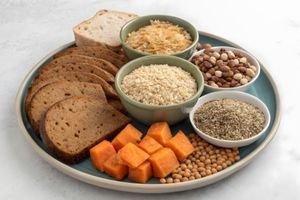
- Why it matters: Fiber slows glucose release, boosts gut health, and supports metabolic balance.
- How to implement:
- Add flaxseed, chia seeds, leafy veggies, or whole fruits.
- Pattern rewiring:
- Makes you feel full longer.
- Reduces cravings for sugary foods.
- Benefits:
- Smoother digestion
- Lower cholesterol
- Better metabolic function
- Simple additions:
- Add chia seeds in water.
- Snack on guava or apple.
- Add extra sabzi to your roti wrap.
14. Hydration Habit Upgrade

- Why it matters: Even mild dehydration slows metabolic rate, increases cravings, and reduces digestion efficiency.
- How to implement:
- Use a marked bottle to track water.
- Drink 1 glass before every meal.
- Pattern rewiring:
- Reduces overeating
- Reduces false hunger signals
- Benefits:
- Better energy
- Faster metabolism
- Improved nutrient transport
- Mini options:
- Infuse water with lemon, mint, or cucumber.
- Keep a bottle on your desk.
- Set small hourly reminders.
15. Use the “3-Minute Movement Rule”

- Why it matters: Mini movement boosts insulin sensitivity, burns glucose, and keeps metabolism active.
- How to implement:
- After every meal, walk for 3 minutes.
- Stretch for 3 minutes every 1 hour.
- Pattern rewiring:
- Breaks sedentary habits.
- Improves consistency without pressure.
- Benefits:
- Reduces glucose spikes
- Improves circulation
- Enhances metabolic flexibility
- Small changes:
- Walk after lunch in office corridor.
- Do calf raises while brushing teeth.
- Stretch your back every hour.
Conclusion
Metabolic health is not built in a day—it’s shaped by tiny daily actions that slowly rewire your eating patterns, hunger signals, and energy balance. Micro-habits work because they feel effortless, sustainable, and consistent. When you take simple actions like drinking water before meals, chewing your food slowly, balancing your plate, choosing whole snacks, sleeping on time, or adding more protein, you begin to create a powerful shift in how your body utilizes energy.
These small tweaks support stable blood sugar, better digestion, improved hormonal balance, and long-term weight management. Over time, these micro-changes compound into consistently better metabolic health. You stay full longer, experience fewer cravings, have smoother digestion, feel more energetic, and start naturally choosing healthier foods without forcing yourself.
The secret is simple:
Small habits → New patterns → Strong metabolism → Long-lasting health.
Start tiny, stay consistent, and let your metabolism transform from within.
FAQs
1. What are micro-habits for metabolic health?
Micro-habits are tiny, easy daily actions—like drinking water before meals or adding protein to breakfast—that gradually improve your metabolism and eating behavior.
2. How long does it take to see results from micro-habits?
Most people notice changes in energy and digestion within 7–10 days, while deeper metabolic improvements usually appear within 4–8 weeks of consistency.
3. Do micro-habits help with weight loss?
Yes. They stabilize blood sugar, reduce overeating, and improve digestion—leading to natural and sustainable weight loss without strict dieting.
4. Can micro-habits reduce cravings?
Absolutely. Habits like mindful chewing, adding protein, and staying hydrated help reduce sugar cravings and emotional snacking.
5. Are these habits suitable for people with diabetes?
Most micro-habits such as balanced plates, fiber intake, and post-meal walks support stable blood sugar. However, individuals should still consult a healthcare professional.
6. What is the easiest micro-habit to start with?
Begin with drinking one glass of water before meals or switching one processed snack with a whole-food snack.
7. How does sleep affect metabolic health?
Poor sleep disrupts hunger hormones, increases cravings, slows metabolism, and leads to fat storage. A consistent sleep routine helps reset eating patterns.
8. Do I need to change my entire diet for these micro-habits to work?
Not at all. Micro-habits require small, realistic tweaks—not full lifestyle overhauls. Consistency matters more than intensity.
9. Can micro-habits improve digestion?
Yes. Chewing well, eating fiber-rich foods, and adding fermented foods support smoother digestion and reduce bloating.
10. Can I follow micro-habits even with a busy schedule?
Definitely. These habits take only 1–3 minutes each and are designed to fit into busy routines without adding extra work.