

Healthy, Delicious, and Realistic Food for Busy Lives
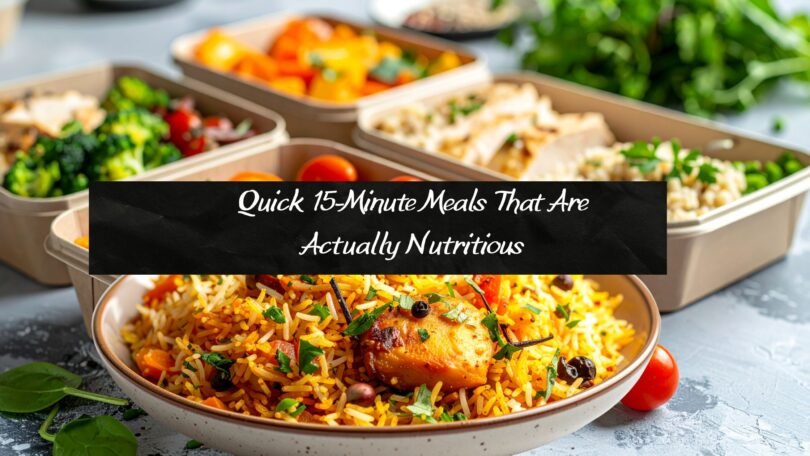
In today’s fast-paced world, “quick meals” often get a bad reputation. Many people assume that if a meal only takes 15 minutes, it must be unhealthy, overly processed, or lacking real nutrition. The truth? Fast meals can absolutely be nutritious—when you know what to cook and how to balance it.
This article breaks the myth that healthy eating requires hours in the kitchen. You’ll discover quick 15-minute meals that fuel your body, support energy, and still taste amazing. Whether you’re a student, working professional, or busy family member, these ideas prove that nutritious food can fit into real life.
Why 15-Minute Nutritious Meals Matter

Skipping meals or relying on ultra-processed convenience foods can leave you feeling tired, unfocused, and unsatisfied. Nutritious meals help support:
- Steady energy levels
- Better concentration and mood
- Healthy digestion
- Long-term overall wellness
Quick meals become powerful when they include the right combination of nutrients:
protein, complex carbohydrates, healthy fats, and vegetables.
The goal isn’t perfection—it’s consistency.
What Makes a Meal “Actually Nutritious”?
A truly nutritious quick meal should include:
- Protein – supports muscles, growth, and fullness
- Fiber-rich carbs – provide long-lasting energy
- Healthy fats – support brain and hormone health
- Micronutrients – vitamins and minerals from whole foods
You don’t need fancy ingredients or complicated recipes—just smart combinations.
1. Veggie Omelet with Whole-Grain Toast

Time: 10–15 minutes
Why it works: Balanced, protein-rich, and satisfying
Eggs are one of the fastest high-quality protein sources available. Add vegetables like spinach, tomatoes, onions, or bell peppers for fiber and micronutrients.
Nutrition boost:
- Protein from eggs
- Fiber and antioxidants from veggies
- Complex carbs from whole-grain toast
Pro tip: Cook veggies first, then add eggs for better flavor and texture.
2. Greek Yogurt Power Bowl

Time: 5–10 minutes
Why it works: No cooking, high protein, gut-friendly
Greek yogurt is rich in protein and calcium. Add fruits, nuts, and seeds for a complete meal.
Simple combo:
- Plain Greek yogurt
- Berries or banana
- Chia seeds or flaxseeds
- A drizzle of honey or nut butter
This meal supports digestion, bone health, and sustained energy—perfect for breakfast or a light dinner.
3. Stir-Fried Chicken and Vegetables

Time: 15 minutes
Why it works: High protein, customizable, and filling
Using pre-cut vegetables and thin chicken slices makes this meal incredibly fast.
Nutrition highlights:
- Lean protein from chicken
- Fiber from mixed vegetables
- Healthy fats from olive or sesame oil
Serve with brown rice, quinoa, or even lettuce wraps for variety.
4. Avocado Tuna Toast

Time: 10 minutes
Why it works: Omega-3 rich and brain-supportive
Canned tuna is a convenient protein source, while avocado adds healthy fats and creaminess.
What you get:
- Protein from tuna
- Healthy fats from avocado
- Fiber from whole-grain bread
Add lemon juice, black pepper, and cucumber slices for extra freshness.
5. Chickpea and Veggie Wrap

Time: 10–15 minutes
Why it works: Plant-based, fiber-rich, and satisfying
Mashed chickpeas mixed with vegetables and spices make a quick, nutritious filling.
Benefits:
- Plant protein
- Digestive-friendly fiber
- Long-lasting fullness
Wrap it in a whole-wheat tortilla or lettuce leaves for a lighter option.
6. Quick Salmon Pan Meal

Time: 12–15 minutes
Why it works: Nutrient-dense and heart-healthy
Salmon cooks quickly and is packed with omega-3 fatty acids.
Pair it with:
- Steamed broccoli or green beans
- A squeeze of lemon
- Olive oil or herbs
This meal supports brain health, heart health, and overall growth.
7. Smoothie That’s Actually a Meal

Time: 5 minutes
Why it works: Fast, portable, and nutrient-dense
A well-balanced smoothie is more than fruit and sugar.
Balanced smoothie formula:
- Milk or yogurt
- Fruit
- Nut butter or seeds
- Oats or spinach
This combination provides protein, fiber, and healthy fats—keeping you full longer.
Smart Tips for Faster Healthy Cooking
- Prep once, eat twice: Chop vegetables ahead of time
- Keep protein ready: Eggs, yogurt, canned beans, tuna
- Use frozen veggies: Just as nutritious and super fast
- Don’t overcomplicate: Simple meals are easier to maintain
Consistency beats complexity every time.
The Truth About Healthy Eating and Time
Nutritious eating doesn’t require expensive superfoods or long recipes. What matters most is choosing real, whole foods and building balanced meals—even when time is limited.
Quick meals done right can:
- Support healthy growth
- Improve focus and energy
- Reduce reliance on processed foods
- Build lifelong healthy habits
Healthy food should work with your lifestyle, not against it.
Conclusion
Fifteen minutes is more than enough time to nourish your body when you choose real, balanced ingredients. With simple planning and smart food choices, quick meals can support energy, focus, and long-term health. Healthy eating isn’t about having more time—it’s about making better use of the time you already have. When nutritious food is quick, accessible, and enjoyable, it becomes easier to stay consistent and build healthy habits for life. Small daily choices add up, and even the simplest meals can make a powerful difference to your overall well-being.
FAQs
1. Can 15-minute meals really be healthy?
Yes, when they include a balance of protein, fiber-rich carbohydrates, healthy fats, and vegetables, quick meals can be just as nutritious as longer recipes.
2. What are the best proteins for quick meals?
Eggs, Greek yogurt, lentils, chickpeas, canned tuna, chicken breast, and tofu are fast-cooking and nutrient-dense options.
3. Are quick meals good for weight management?
Balanced quick meals can help support healthy weight management by preventing overeating and reducing reliance on processed foods.
4. Can students or busy professionals rely on 15-minute meals daily?
Absolutely. These meals are practical, affordable, and designed to fit into busy schedules without compromising nutrition.
5. Are frozen vegetables nutritious for quick cooking?
Yes, frozen vegetables retain most of their nutrients and are a convenient, time-saving option.
6. What makes a quick meal filling?
Meals that combine protein, fiber, and healthy fats help keep you full and satisfied for longer.
7. Can quick meals be plant-based?
Yes, plant-based quick meals using beans, legumes, vegetables, and whole grains can be highly nutritious.
8. Are smoothies considered a complete quick meal?
Smoothies can be a complete meal when they include protein, healthy fats, and fiber—not just fruit.
9. How can I make quick meals taste better without extra calories?
Using herbs, spices, lemon juice, garlic, and natural seasonings adds flavor without unnecessary additives.
10. Do quick meals support long-term healthy eating habits?
Yes, easy and enjoyable meals make consistency easier, which is key for long-term health.