
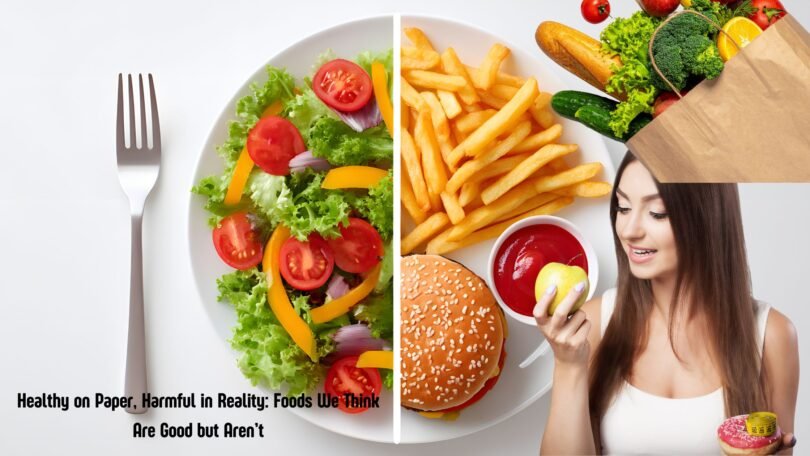

Walk through any supermarket aisle and you’ll see shelves filled with foods wearing a “health halo.” Words like low-fat, sugar-free, multigrain, natural, and diet-friendly instantly make us feel we’re making the right choice.
On paper, these foods look healthy.
In reality, many of them quietly work against our health.
This doesn’t mean these foods are “poison” or that you should fear them. It simply means that marketing often speaks louder than nutrition science.
Let’s take a closer look at some commonly trusted foods and understand why they may not be as healthy as they seem.
When Health Claims Replace Real Nutrition
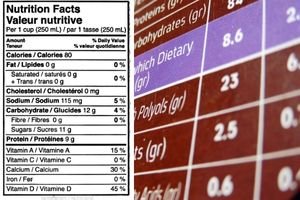
Food labels are designed to catch your attention, not necessarily protect your metabolism. A single positive claim—like “low fat” or “high fiber”—can distract us from what really matters:
- Ingredient quality
- Level of processing
- Effect on blood sugar
- Long-term impact on appetite and metabolism
A food can tick one “healthy” box and still fail in many others.
Breakfast Cereals: A Sugar Rush in Disguise
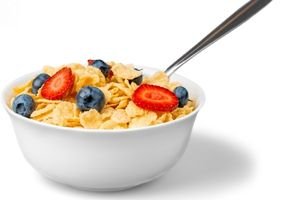
Many breakfast cereals are marketed as:
- High in fiber
- Fortified with vitamins
- Heart-healthy
But when you turn the packet around, you’ll often find:
- High amounts of added sugar
- Refined grains
- Minimal protein
What happens next is predictable: a quick spike in blood sugar followed by hunger, cravings, and low energy mid-morning. A meal that’s meant to start your day strong often sets you up for overeating later.
Packaged Fruit Juices: Fruit Without the Benefits
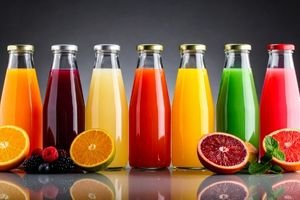
Fruit juice sounds healthy because it comes from fruit. However, once fruit is juiced:
- Fiber is removed
- Sugar becomes concentrated
- Satiety drops drastically
Drinking juice raises blood sugar much faster than eating whole fruit. Even “no added sugar” juices can behave like sugary drinks inside the body.
Whole fruit nourishes. Juice mostly stimulates sugar spikes.
Low-Fat Products: When Fat Leaves, Sugar Enters

Removing fat from food often removes flavor. To compensate, manufacturers add:
- Sugar
- Starches
- Artificial flavoring
Low-fat biscuits, yogurts, and snacks may contain more sugar than their full-fat versions. Fat isn’t the enemy—it actually helps with satiety and blood sugar stability.
Ironically, many low-fat foods make people hungrier, not healthier.
Multigrain and Brown Bread: Not Always What They Seem

“Multigrain” sounds nutritious, but it doesn’t guarantee whole grains. Many such breads are made from refined flour with:
- Added bran
- Coloring agents
- Minimal fiber
The result? A product that behaves almost like white bread in the body.
True whole-grain foods list whole wheat or whole grains as the first ingredient—not just marketing terms on the front.
Flavored Yogurts: A Dessert Wearing a Health Label

Yogurt is often considered a gut-friendly food, and plain curd genuinely is. But flavored yogurts may contain:
- Added sugar
- Syrups
- Artificial flavors
What’s marketed as a probiotic snack can sometimes resemble a dessert in disguise.
Sugar-Free and Diet Foods: The Hidden Trade-Off

Sugar-free foods may lower calorie intake, but they often rely on artificial sweeteners. These can:
- Increase sweet cravings
- Disrupt appetite cues
- Affect gut health in some people
Replacing sugar with sweeteners doesn’t always improve eating habits—it sometimes just maintains dependency on sweetness.
Energy Bars and Health Snacks: Not All Are Energy-Supporting
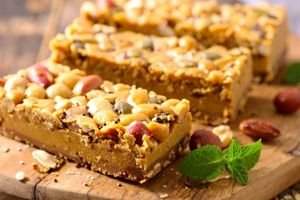
Many energy bars are:
- High in refined carbs
- Low in protein
- More suitable as desserts than snacks
They may provide quick energy but lack the balance needed for blood sugar control and lasting fullness.
The Real Problem Isn’t the Food—It’s the Assumption
These foods are not “bad” in isolation. The problem begins when:
- They are eaten daily
- Portions are uncontrolled
- They replace whole foods
- They’re trusted blindly because of labels
Health doesn’t come from claims—it comes from patterns and consistency.
How to Make Smarter Choices Without Obsession
Instead of focusing on labels, try asking:
- Is this food close to its natural form?
- Does it contain protein, fiber, or healthy fats?
- Will it keep me full and energized?
- Can I recognize most ingredients?
The more processed a food is, the more cautious you should be—regardless of how healthy it sounds.
Conclusion
Food marketing is clever. Your body is honest.
Many foods that look healthy on paper fail to support blood sugar, appetite, and metabolic health in real life. True nutrition doesn’t rely on buzzwords—it relies on balance, quality, and awareness.
You don’t need to eat perfectly.
You just need to eat consciously.
Because real health is built not by labels—but by informed choices made every day.
FAQs
1. Why do some foods look healthy on labels but aren’t actually good for us?
Because food labels highlight one positive feature while hiding added sugars, refined ingredients, or heavy processing that affects overall health.
2. Are all packaged “healthy” foods bad?
No. Some packaged foods can fit into a balanced diet, but they should not replace fresh, whole foods eaten regularly.
3. Is low-fat food always a healthier choice?
Not necessarily. Many low-fat foods contain added sugar or starch, which may disrupt blood sugar and increase hunger.
4. Why is fruit juice less healthy than whole fruit?
Juicing removes fiber, making sugar absorb faster and reducing fullness compared to eating whole fruit.
5. Are breakfast cereals a good start to the day?
Many cereals are high in sugar and low in protein, which can lead to energy crashes and increased cravings later.
6. Is multigrain bread the same as whole-grain bread?
No. Multigrain only means multiple grains were used, not that they are whole or unrefined.
7. Are sugar-free foods safe to eat daily?
Frequent intake may increase sweet cravings and disrupt appetite signals, even if calories are lower.
8. Can flavored yogurt be part of a healthy diet?
Occasionally, yes—but plain curd or unsweetened yogurt is a better everyday choice due to lower sugar content.
9. Do health snacks and energy bars support weight management?
Some do, but many are high in refined carbs and calories, making them closer to desserts than balanced snacks.
10. How can I choose truly healthy foods without overthinking?
Focus on minimally processed foods, read ingredient lists, and prioritize balance over marketing claims.