
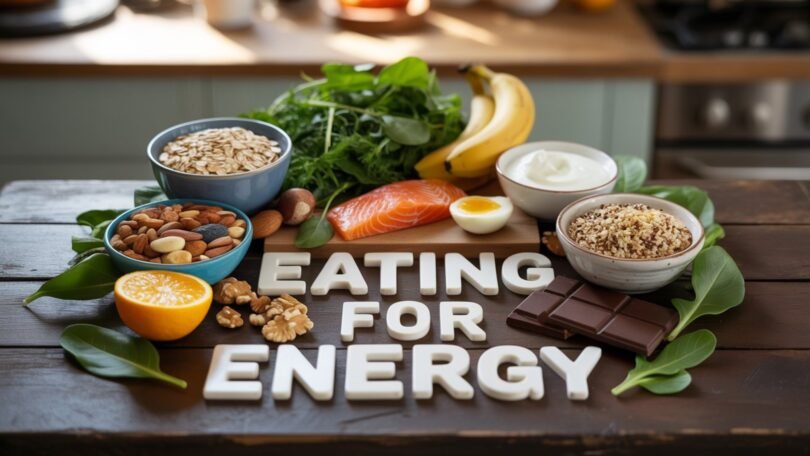

We’ve all experienced those moments when, despite sleeping well, we feel drained by mid-morning or after lunch. Fatigue has quietly become one of the most common challenges in modern life. Long work hours, lack of physical activity, stress, and processed food intake all combine to leave us with low energy and poor concentration.
Most people try to mask fatigue with endless cups of coffee, energy drinks, or sugary snacks. While these may provide a quick boost, they often result in a sudden “crash,” leaving you even more exhausted. The real solution lies in nutrition—choosing foods that fuel your body steadily and naturally.
In this blog, we’ll explore why fatigue happens, the role of nutrition in beating tiredness, and the top energy-boosting foods that will help you feel refreshed, focused, and active throughout the day.
Why Does Fatigue Happen?
Energy is the outcome of how well your body converts food into fuel. If any step in this process is compromised, you’ll feel sluggish. Here are some key reasons behind fatigue:
- Blood Sugar Fluctuations – Eating refined carbs and sugary snacks causes glucose spikes followed by sharp crashes, which make you feel drowsy.
- Nutrient Deficiencies – Low iron, vitamin B12, or magnesium reduce oxygen supply and slow down cellular energy production.
- Dehydration – Water helps transport nutrients and oxygen; even mild dehydration can cause fatigue and poor focus.
- Poor Lifestyle Habits – Skipping meals, irregular eating, and relying on caffeine disturb your energy balance.
- Stress and Lack of Sleep – High cortisol levels (stress hormone) and insufficient rest drain your energy reserves.
The Science of Eating for Energy
Food provides calories, but more importantly, it provides nutrients that regulate how your body uses those calories. Energy-sustaining foods typically:
- Stabilize blood sugar with complex carbs and fiber.
- Provide amino acids from protein for muscle repair and metabolic functions.
- Supply healthy fats for long-lasting satiety and mental clarity.
- Offer vitamins and minerals that directly support ATP (energy molecule) production in your cells.
- Hydrate your body for smooth circulation and nutrient transport.
When your meals are balanced, your energy supply becomes more consistent, helping you fight daily fatigue effectively.
10 Energy-Boosting Foods That Beat Daily Fatigue
1. Oats – The Slow and Steady Fuel

Oats are an excellent source of complex carbohydrates and soluble fiber. Unlike refined cereals, oats digest slowly, releasing glucose into your bloodstream steadily. This prevents energy crashes and keeps you full for longer.
Nutritional Benefits:
- High in B vitamins (especially B1 and B5), which help convert food into energy.
- Contains magnesium and iron for oxygen transport and muscle function.
- Rich in beta-glucan fiber, which supports heart health.
How to Include:
- Start your day with oatmeal topped with berries, nuts, and chia seeds.
- Use overnight oats for a quick grab-and-go breakfast.
- Try savory oats with vegetables and spices for variety.
2. Bananas – Quick Natural Energy

Bananas are often called “nature’s energy bar” because they’re portable, easy to digest, and naturally sweet. They provide a mix of natural sugars (glucose, fructose, sucrose) and potassium, making them perfect for an instant energy boost.
Nutritional Benefits:
- Potassium helps prevent muscle cramps and supports nerve signaling.
- Vitamin B6 aids in the metabolism of carbohydrates and protein.
- Natural sugars give quick energy without processed additives.
How to Include:
- Eat as a pre-workout snack.
- Blend into smoothies with yogurt and spinach.
- Spread peanut butter on banana slices for a balanced snack.
3. Leafy Greens – Iron Powerhouses

Fatigue is often linked to low iron levels. Leafy greens like spinach, kale, and moringa are rich in iron, folate, and magnesium. These nutrients ensure that oxygen is transported efficiently in the blood, reducing tiredness.
Nutritional Benefits:
- Iron helps in the production of hemoglobin, which carries oxygen.
- Folate supports red blood cell formation.
- Magnesium plays a role in more than 300 enzymatic reactions, including energy production.
How to Include:
- Add spinach to omelets or smoothies.
- Use kale in salads, soups, or stir-fries.
- Drink moringa tea or sprinkle moringa powder in soups.
4. Nuts and Seeds – Compact Energy Bites
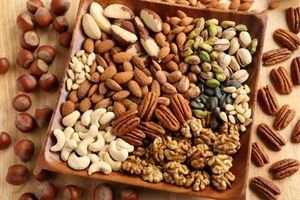
Nuts and seeds are nutrient-dense snacks that provide protein, healthy fats, and magnesium. They keep blood sugar stable and prevent sudden dips in energy.
Nutritional Benefits:
- Almonds and walnuts provide healthy omega fats.
- Pumpkin seeds are rich in zinc and magnesium.
- Chia and flaxseeds give plant-based omega-3s and fiber.
How to Include:
- Carry a mix of nuts and seeds for on-the-go snacking.
- Add to salads, smoothies, or breakfast bowls.
- Use nut butter on whole-grain bread or fruits.
5. Fatty Fish – Brain and Body Reviver

Salmon, mackerel, and sardines are rich in omega-3 fatty acids, which fight inflammation and improve brain function. They’re also loaded with high-quality protein and vitamin D.
Nutritional Benefits:
- Omega-3s improve circulation and reduce brain fog.
- Protein helps muscle repair and long-lasting satiety.
- Vitamin D enhances mood and energy regulation.
How to Include:
- Grill or bake salmon with herbs and lemon.
- Add sardines to whole-grain toast.
- Use mackerel in salads or rice bowls.
6. Eggs – The Complete Protein Source

Eggs are a nutritional powerhouse with all nine essential amino acids. They provide protein, vitamin B12, and choline, all of which support brain and body energy.
Nutritional Benefits:
- Protein keeps you full and supports energy metabolism.
- B12 prevents fatigue and improves nerve health.
- Choline supports memory and focus.
How to Include:
- Boiled eggs as a quick snack.
- Omelets with vegetables for a protein-packed breakfast.
- Scrambled eggs with quinoa for a balanced lunch.
7. Greek Yogurt – Energy with Gut Support

Greek yogurt contains double the protein of regular yogurt, along with probiotics that improve digestion and nutrient absorption. It’s a perfect combination for sustained energy.
Nutritional Benefits:
- High protein for stable blood sugar.
- Probiotics for better digestion and energy extraction from food.
- Calcium supports muscle contractions and nerve function.
How to Include:
- Make a parfait with yogurt, fruits, and seeds.
- Blend into smoothies for a protein-rich drink.
- Use as a base for dips instead of mayonnaise.
8. Quinoa – Gluten-Free Energy Grain
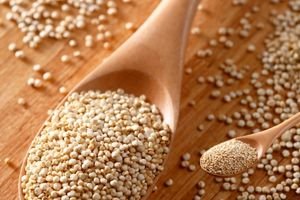
Quinoa is not just a grain; it’s a complete protein source. It contains fiber, iron, and magnesium, making it a great replacement for refined carbs.
Nutritional Benefits:
- Complete protein for muscle repair and sustained energy.
- Iron boosts oxygen supply.
- Fiber improves digestion and prevents energy crashes.
How to Include:
- Use as a base for salads or Buddha bowls.
- Replace rice with quinoa in curries or stir-fries.
- Make quinoa porridge for breakfast.
9. Dark Chocolate – A Sweet Energy Lift

Dark chocolate with 70% cocoa or higher provides caffeine, theobromine, and antioxidants. These compounds enhance mood, alertness, and focus.
Nutritional Benefits:
- Caffeine gives a mild energy boost without over-stimulation.
- Magnesium reduces fatigue and muscle weakness.
- Antioxidants protect against stress-related fatigue.
How to Include:
- Have a small square after lunch to beat afternoon slump.
- Add cocoa powder to smoothies or oats.
- Use dark chocolate in homemade energy bites.
10. Citrus Fruits – Fresh Energy Refreshers

Citrus fruits like oranges, grapefruits, and lemons are refreshing and hydrating. They’re rich in vitamin C, which not only supports immunity but also boosts iron absorption.
Nutritional Benefits:
- Vitamin C prevents fatigue linked to anemia.
- Hydrating effect improves metabolism.
- Natural sugars give a gentle, clean energy lift.
How to Include:
- Fresh orange juice in the morning.
- Add lemon slices to water for hydration.
- Use grapefruit segments in salads.
Smart Eating Habits to Stay Energized
- Eat every 3–4 hours to avoid sugar dips.
- Drink at least 2–2.5 liters of water daily.
- Avoid heavy fried meals at lunch if you want to stay productive.
- Pair carbs with proteins (fruit + nuts, rice + lentils).
- Limit caffeine to avoid dependency and energy crashes.
Lifestyle Habits That Support Energy
- Exercise daily: Even 20 minutes of walking boosts oxygen flow.
- Get quality sleep: 7–8 hours restores energy reserves.
- Practice stress management: Yoga, meditation, or deep breathing help reduce fatigue.
Conclusion
True, lasting energy is not about quick fixes or temporary boosts from caffeine, sugary drinks, or processed snacks—it’s about consistently making the right choices every day. Your body relies on a steady supply of essential nutrients to produce energy efficiently, and the foods you include in your diet play a central role. Nutrient-rich options like oats, bananas, leafy greens, nuts, fatty fish, eggs, Greek yogurt, quinoa, dark chocolate, and citrus fruits provide a balanced mix of carbohydrates, proteins, healthy fats, vitamins, and minerals that fuel your body and keep your energy levels stable throughout the day.
However, food alone is just one piece of the puzzle. Pairing these energy-boosting foods with proper hydration, quality sleep, and stress management strategies ensures your body can convert nutrients into usable energy more effectively. Hydration helps maintain cellular function and prevents fatigue, while adequate sleep allows your body to recover and recharge. Managing stress prevents energy drains caused by hormonal imbalances and mental fatigue.
By focusing on a holistic approach that combines smart nutrition with healthy lifestyle habits, you’ll notice a significant improvement in your overall vitality. You’ll feel more alert, productive, and vibrant—not just temporarily, but consistently—empowering you to perform your best in every aspect of life.
FAQs
1. Why do I feel tired even after a good night’s sleep?
Fatigue isn’t just about sleep—it can be caused by nutrient deficiencies, dehydration, blood sugar crashes, or poor eating habits. Your diet plays a huge role in how energized you feel.
2. Which foods give quick energy without the crash?
Bananas, oats, and citrus fruits provide natural sugars and fiber for steady energy, unlike coffee or sugary snacks that cause a sudden dip later.
3. Can leafy greens really fight fatigue?
Yes! Leafy greens like spinach and kale are rich in iron, folate, and magnesium—all essential for oxygen transport and energy production.
4. Are nuts and seeds a good replacement for energy drinks?
Absolutely. Nuts and seeds provide protein, healthy fats, and magnesium, keeping your blood sugar stable and energy levels steady without side effects.
5. Is dark chocolate actually healthy for energy?
Yes—when eaten in moderation (70% cocoa or more). It contains natural caffeine, theobromine, and antioxidants that boost alertness and mood.
6. What role does hydration play in energy levels?
Even mild dehydration can cause fatigue, poor focus, and headaches. Drinking 2–2.5 liters of water daily ensures smooth nutrient transport and steady energy.
7. How often should I eat to avoid energy dips?
Eating every 3–4 hours with balanced meals and snacks (like fruit + nuts or yogurt + seeds) prevents sugar crashes and keeps you energized.
8. Do protein-rich foods help with daily tiredness?
Yes! Foods like eggs, Greek yogurt, and quinoa provide protein, B vitamins, and amino acids that fuel muscle repair and long-lasting energy.
9. Can lifestyle habits also reduce fatigue?
Definitely. Regular exercise, quality sleep, and stress management are just as important as food in keeping your energy levels high.
10. What’s the best long-term solution for daily fatigue?
Building your meals around natural energy-boosting foods—oats, bananas, leafy greens, nuts, fatty fish, eggs, quinoa, and citrus—combined with hydration, sleep, and movement.