
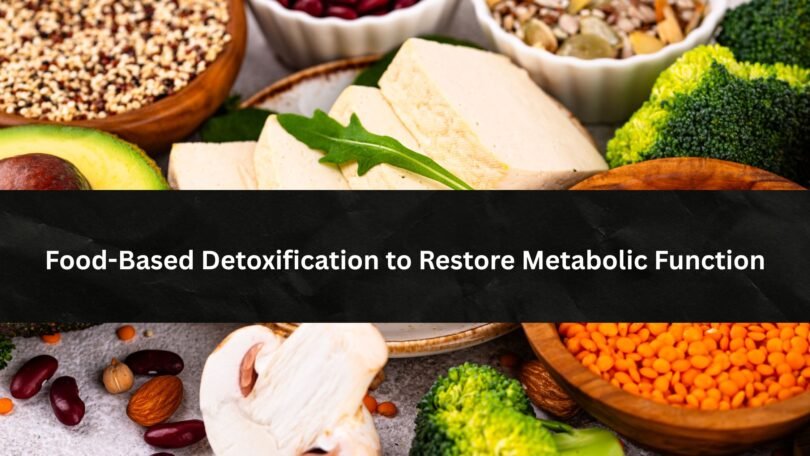

Why Your Body Needs Support, Not Starvation
The word “detox” often brings images of juice cleanses, extreme fasting, or expensive supplements. Many people try these methods hoping to feel lighter, more energetic, and healthier—but often end up feeling weak, irritated, and disappointed.
The truth is, your body is already equipped with an intelligent detox system. The real problem isn’t that your body can’t detox—it’s that your metabolism is overloaded and under-nourished.
That’s where food-based detoxification comes in. Instead of stressing the body, this approach supports your natural detox organs and helps restore metabolic balance, energy, digestion, and hormonal health.
What Does Detoxification Really Mean?

Detoxification is the body’s natural process of:
- Neutralizing toxins
- Converting them into safer compounds
- Eliminating them through urine, stool, sweat, and breath
The main organs involved are:
- Liver
- Kidneys
- Gut
- Skin
- Lungs
When these systems work efficiently, metabolism stays active and balanced. When they’re overwhelmed by poor diet, stress, lack of sleep, and ultra-processed foods, metabolic function begins to slow down.
Understanding Metabolic Dysfunction
Your metabolism controls:
- How efficiently you burn calories
- Blood sugar regulation
- Fat storage and fat loss
- Energy levels
- Hormonal balance
Signs your metabolism may need support include:
- Persistent fatigue
- Weight gain despite eating “less”
- Brain fog
- Poor digestion or bloating
- Sugar cravings
- Hormonal imbalances
This is not a sign that you need to “eat less”—it’s a sign that your body needs better nourishment.
Why Extreme Detox Diets Backfire?
Crash detoxes and juice cleanses often:
- Strip the body of protein
- Slow down metabolism
- Cause muscle loss
- Increase stress hormones
- Lead to rebound weight gain
Instead of healing the body, extreme detox methods shock the metabolism, making it more conservative and less efficient.
A true detox should feel supportive, energizing, and sustainable.
What Is Food-Based Detoxification?
Food-based detoxification means using whole, nutrient-rich foods to:
- Support liver enzymes
- Improve gut health
- Reduce inflammation
- Stabilize blood sugar
- Restore metabolic efficiency
It’s not about restriction—it’s about strategic nourishment.
How Food Supports Natural Detox Pathways?
1. Liver Support Through Nutrition

The liver processes toxins in two phases. To function well, it needs nutrients like:
- Protein (amino acids)
- B-vitamins
- Antioxidants
- Sulfur-rich compounds
Foods that support liver detox:
- Lentils, dals, eggs
- Leafy greens
- Cruciferous vegetables
- Garlic and onions
- Turmeric
A protein-deficient diet weakens detox capacity and slows metabolism.
2. Gut Health and Toxin Elimination
A healthy gut ensures toxins are excreted, not reabsorbed.
Poor gut health can cause:
- Bloating
- Constipation
- Inflammation
- Hormonal imbalance
Foods that support gut-based detox:
- Fiber-rich vegetables
- Fruits in moderation
- Fermented foods
- Adequate water intake
Fiber binds toxins and helps eliminate them efficiently.
3. Blood Sugar Balance = Metabolic Detox

Frequent blood sugar spikes create inflammation and metabolic stress.
A food-based detox focuses on:
- Balanced meals
- Protein with every meal
- Reduced refined sugar
- Whole carbohydrates
Stable blood sugar allows detox organs to function without stress.
Key Foods That Support Metabolic Detox
1. Protein (The Detox Foundation)

Protein is essential for:
- Liver detox enzymes
- Muscle preservation
- Metabolic rate
Sources include:
- Dals and legumes
- Paneer, curd
- Eggs
- Fish or lean meats
- Nuts and seeds
Without protein, detoxification slows down.
2. Antioxidant-Rich Vegetables
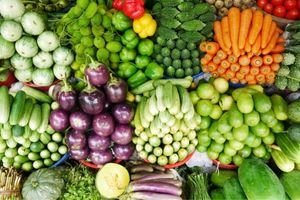
These protect cells from toxin-related damage:
- Spinach
- Broccoli
- Carrots
- Beetroot
- Bell peppers
They also reduce oxidative stress that impairs metabolism.
3. Healthy Fats

Healthy fats support hormone balance and toxin elimination:
- Nuts and seeds
- Ghee in moderation
- Cold-pressed oils
They help absorb fat-soluble vitamins required for detox.
4. Hydration

Water helps kidneys flush waste efficiently. Even mild dehydration can slow metabolism and digestion.
What a Food-Based Detox Is NOT
- ❌ Not starvation
- ❌ Not liquid-only diets
- ❌ Not meal skipping
- ❌ Not extreme calorie restriction
A real detox should:
- Preserve muscle
- Maintain energy
- Improve digestion
- Support hormones
How Food-Based Detox Restores Metabolic Function?
When detox pathways are supported:
- Inflammation reduces
- Insulin sensitivity improves
- Fat burning becomes efficient
- Energy levels rise
- Cravings decrease
The metabolism shifts from survival mode to balance mode.
Simple Habits to Support Daily Detox
- Eat regular, balanced meals
- Include vegetables in every meal
- Avoid ultra-processed foods
- Limit added sugars
- Prioritize sleep
- Move your body daily
These habits support detox far more than any short-term cleanse.
Who Benefits Most From Food-Based Detox?
- People with slow metabolism
- Those experiencing fatigue or bloating
- Individuals with hormonal imbalances
- People recovering from repeated dieting
- Busy professionals under chronic stress
Conclusion
Detoxification is not about punishment—it’s about restoration.
Your body doesn’t need extreme cleanses to heal. It needs consistent nourishment, balance, and respect. Food-based detoxification works because it aligns with how the body naturally functions.
When you support detox through food, you don’t just eliminate toxins—you restore metabolic health, energy, and resilience.
True detox begins not by eating less, but by eating smarter.
FAQs
1. What is food-based detoxification?
Food-based detoxification is a natural approach that supports the body’s own detox organs—like the liver, gut, and kidneys—using whole, nutrient-rich foods instead of extreme cleanses or fasting.
2. Is detoxification really necessary if the body can detox on its own?
Yes, the body can detox naturally, but poor diet, stress, lack of sleep, and processed foods can overload these systems. Proper nutrition helps them function efficiently again.
3. How is food-based detox different from juice cleanses?
Food-based detox includes balanced meals with protein, fiber, and healthy fats, while juice cleanses often lack protein and can slow metabolism and cause muscle loss.
4. Can food-based detox help improve metabolism?
Absolutely. By reducing inflammation, stabilizing blood sugar, and supporting liver function, food-based detox helps restore metabolic efficiency and energy levels.
5. Do I need to cut calories during a detox?
No. Detoxification works best when the body is nourished, not starved. Extreme calorie restriction can actually slow metabolism and impair detox pathways.
6. How long does a food-based detox take to show results?
Many people notice better digestion, reduced bloating, and improved energy within 1–2 weeks, especially when consistent healthy habits are followed.
7. Is protein important during detox?
Yes. Protein is essential for liver detox enzymes, muscle preservation, and metabolic health. Skipping protein can weaken detoxification and slow metabolism.
8. Can I follow a food-based detox if I have diabetes or PCOS?
Yes, but it should be customized. Balanced meals with protein, fiber, and controlled carbohydrates help support blood sugar and hormonal balance safely.
9. Will I lose weight with food-based detox?
Weight changes may occur, but the primary goal is metabolic restoration. When metabolism improves, healthy weight regulation often follows naturally.
10. Is food-based detox safe for long-term use?
Yes. Unlike extreme detox plans, food-based detoxification promotes sustainable eating habits that can be followed long term without harming health.