


Good sleep is not a luxury—it’s a biological need. Yet, for many people, falling asleep or staying asleep has become a daily struggle. Stress, irregular routines, screen time, and lifestyle habits often take the blame, but diet plays a much bigger role in sleep quality than most people realize.
The food you eat during the day—and especially in the evening—can either support restful sleep or silently disrupt it. Instead of turning to sleeping pills, understanding how food influences sleep hormones can help improve insomnia naturally.
How Food Affects Sleep
Sleep is regulated by hormones like:
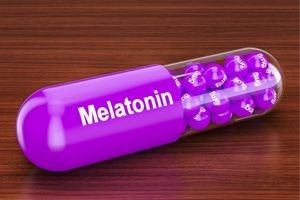
Melatonin, which controls your sleep–wake cycle
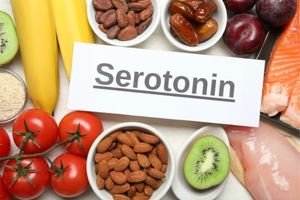
Serotonin, which promotes calmness and relaxation
Certain nutrients support the production of these hormones, while others interfere with them. Poor food choices can increase alertness, blood sugar fluctuations, and digestive discomfort—all of which disturb sleep.
The Role of Tryptophan, Magnesium, and Complex Carbs
Sleep-supportive foods often contain:
- Tryptophan – an amino acid needed to produce serotonin and melatonin
- Magnesium – helps relax muscles and calm the nervous system
- Complex carbohydrates – help tryptophan enter the brain more effectively
This is why balanced meals matter more than single “sleep foods.”
Foods That Naturally Support Better Sleep
Warm Milk and Curd

Dairy contains tryptophan and calcium, which help the brain use melatonin efficiently. A small bowl of curd or warm milk before bedtime can promote relaxation.
Bananas

Bananas are rich in magnesium and potassium, which help reduce muscle tension and support nerve relaxation. They also provide a gentle carbohydrate source that stabilizes blood sugar overnight.
Nuts and Seeds
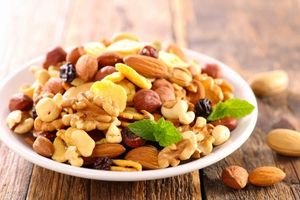
Almonds, walnuts, pumpkin seeds, and flaxseeds provide magnesium, healthy fats, and melatonin-supporting compounds. A small handful in the evening can be calming without being heavy.
Oats

Oats contain complex carbohydrates and melatonin-supporting nutrients. A light oats-based dinner or snack can improve sleep onset.
Fatty Fish

Fish like salmon and sardines provide omega-3 fatty acids and vitamin D, both of which help regulate serotonin levels and improve sleep quality.
Herbal Teas

Chamomile, tulsi, and peppermint tea promote relaxation and reduce stress. They also support digestion, which indirectly improves sleep comfort.
Rice and Millets
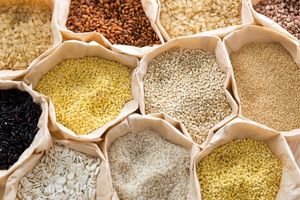
Simple, home-cooked meals with rice or millets paired with vegetables and protein help maintain stable blood sugar and promote deeper sleep.
Leafy Greens

Spinach and other leafy greens are excellent sources of magnesium, helping the nervous system relax before bedtime.
Foods That May Worsen Insomnia
Some foods stimulate the nervous system or disrupt digestion:
- Caffeine (coffee, strong tea, energy drinks)
- Sugary desserts late at night
- Spicy and oily foods
- Large, heavy meals close to bedtime
- Alcohol (which disrupts deep sleep cycles)
Avoiding these in the evening can significantly improve sleep quality.
Timing Matters as Much as Food Choice
Eating too late or skipping dinner can both disturb sleep. Ideally:
- Finish dinner 2–3 hours before bedtime
- Keep meals light and balanced
- Avoid lying down immediately after eating
Stable blood sugar during the night supports uninterrupted sleep.
Sleep Isn’t About One Superfood
No single food can “fix” insomnia overnight. Good sleep comes from consistent habits, including:
- Regular meal timing
- Balanced nutrition
- Reduced late-night screen exposure
- Calm bedtime routines
Food supports sleep best when it’s part of a healthy lifestyle.
When to Seek Help
If insomnia persists despite good food habits, stress management, and routine changes, it may be linked to:
- Hormonal imbalance
- Nutrient deficiencies
- Anxiety or chronic stress
In such cases, professional guidance is important.
Conclusion
Food has a quiet but powerful influence on sleep. By choosing calming, nutrient-rich foods and respecting your body’s natural rhythm, you can improve sleep quality naturally—without dependency on medications.
Better sleep starts not just in the bedroom, but on your plate.
FAQs
1. Can food really help improve sleep quality?
Yes. Certain nutrients like magnesium, tryptophan, and complex carbohydrates support the production of sleep-regulating hormones such as serotonin and melatonin, helping the body relax and sleep better.
2. Which nutrient is most important for better sleep?
Magnesium plays a key role in calming the nervous system, while tryptophan helps produce serotonin and melatonin. A balanced intake of both is ideal for healthy sleep.
3. Is it okay to eat before bedtime if I have insomnia?
Yes, but the meal should be light and eaten 2–3 hours before sleep. Heavy or late-night meals can disrupt digestion and disturb sleep.
4. Does milk really help induce sleep?
Milk contains tryptophan and calcium, which support melatonin production. Warm milk can promote relaxation, especially when part of a consistent bedtime routine.
5. Are carbohydrates bad for sleep?
No. Complex carbohydrates like oats, rice, and millets help tryptophan enter the brain and may actually improve sleep quality when eaten in moderation.
6. Which foods should be avoided at night to prevent insomnia?
Caffeine, sugary foods, spicy meals, fried foods, and alcohol can overstimulate the nervous system or disrupt digestion, leading to poor sleep.
7. Can herbal teas help with insomnia?
Yes. Herbal teas such as chamomile, tulsi, and peppermint have calming properties and can reduce stress, making it easier to fall asleep.
8. How does blood sugar affect sleep?
Fluctuating blood sugar levels during the night can cause sleep disturbances. Balanced meals with protein, fiber, and healthy fats help maintain stable blood sugar.
9. How long does it take for diet changes to improve sleep?
Most people notice improvements within 1–2 weeks of consistent healthy eating and regular sleep routines.
10. When should I seek professional help for insomnia?
If sleep problems persist despite dietary and lifestyle changes, it may be due to stress, hormonal imbalance, or nutrient deficiencies and should be evaluated by a healthcare professional.