
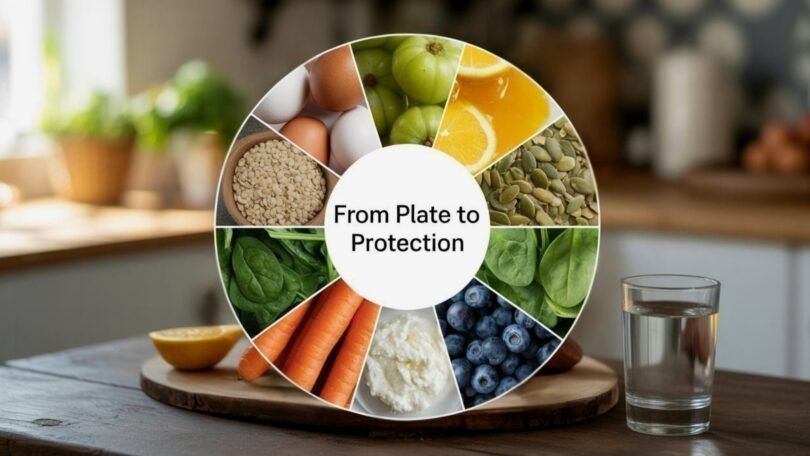

In the age of fast food and quick fixes, we often forget that the strongest defense against illness doesn’t come from a pill or a supplement—it comes from what’s on our plate. Nutrition is the backbone of immunity, and the foods we eat directly shape how effectively our body can fight off infections, recover from illness, and maintain long-term health.
Think of your immune system as a security team. Some members patrol constantly, others act quickly in emergencies, and some record past invasions to prevent repeat attacks. For this team to work in harmony, it needs the right fuel: proteins, vitamins, minerals, antioxidants, and healthy fats. Without these nutrients, the body’s defenses weaken, leaving the door open for infections, fatigue, and slower recovery.
Understanding Immunity: Your Inner Defense Network
The immune system is not a single organ but a complex network of cells, tissues, and responses. White blood cells, antibodies, the gut microbiome, and even the skin work together to protect you. Every time you eat, you either strengthen or weaken this system. A nutrient-rich diet ensures your defense cells are alert, well-equipped, and ready to respond to any threat.
Essential Nutrients for Strong Immunity
1. Protein – The Builder of Immune Cells
Proteins are not just for muscles; they are the building blocks of antibodies and white blood cells. Without enough protein, your body struggles to produce immune cells efficiently.
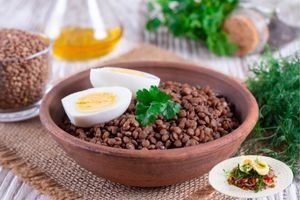
Sources: Lentils, chickpeas, beans, eggs, fish, poultry, tofu, paneer, quinoa.
⭐ Best Pick: Eggs and lentils.
Practical Tip: Add a protein-rich food to every meal—such as dal at lunch or boiled eggs at breakfast.
2. Vitamin C – The Infection Fighter
Vitamin C enhances the production and function of white blood cells, helping the body respond quickly to infections. It also acts as a powerful antioxidant, reducing damage caused by free radicals.

Sources: Amla, oranges, guava, kiwi, strawberries, lemon, bell peppers.
⭐ Best Pick: Amla (Indian gooseberry).
Practical Tip: Start your day with fresh amla juice or snack on guava in the evening.
3. Vitamin D – The Immunity Modulator
Often called the “sunshine vitamin,” Vitamin D regulates immune responses and reduces the risk of respiratory infections. Many people are deficient, especially those with limited sun exposure.

Sources: Sunlight, fortified dairy, mushrooms, fatty fish, egg yolks.
⭐ Best Pick: Morning sunlight.
Practical Tip: Aim for 15–20 minutes of sunlight daily and include fortified foods if sunlight is limited.
4. Zinc – The Healing Mineral
Zinc plays a vital role in producing and activating immune cells. Low zinc levels are linked to delayed wound healing and increased susceptibility to infections.
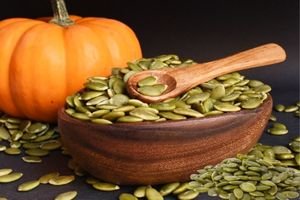
Sources: Pumpkin seeds, cashews, chickpeas, whole grains, dairy.
⭐ Best Pick: Pumpkin seeds.
Practical Tip: Sprinkle pumpkin seeds on salads or smoothies for a crunchy, immune-boosting snack.
5. Iron – Oxygen Carrier for Immune Cells
Iron ensures that oxygen reaches every cell in the body, including immune cells. Deficiency often leads to fatigue, pale skin, and weakened immunity.
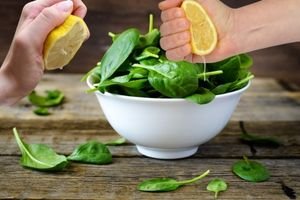
Sources: Spinach, legumes, jaggery, pomegranates, lean meat.
⭐ Best Pick: Spinach with lemon juice (for better absorption).
Practical Tip: Add spinach paratha or palak dal to your weekly menu.
6. Vitamin A – The Barrier Protector
Vitamin A maintains the integrity of the skin and mucous membranes, your body’s first line of defense against germs. It also enhances antibody response.
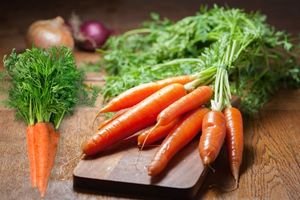
Sources: Carrots, sweet potatoes, pumpkin, spinach, mangoes.
⭐ Best Pick: Carrots.
Practical Tip: Enjoy carrot sticks with hummus or add pumpkin to soups.
7. Probiotics – The Gut Defenders
Nearly 70% of your immune system resides in your gut. Probiotics (good bacteria) maintain a healthy gut microbiome, which directly supports immune function.
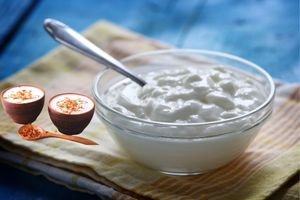
Sources: Yogurt, kefir, fermented foods like sauerkraut, kimchi, idli, dosa batter.
⭐ Best Pick: Homemade curd.
Practical Tip: Include a small bowl of curd with your main meal daily.
8. Antioxidants – The Inflammation Fighters
Antioxidants protect immune cells from oxidative stress and reduce chronic inflammation that weakens immunity.

Sources: Berries, green tea, dark chocolate, nuts, seeds.
⭐ Best Pick: Blueberries (or seasonal berries available locally).
Practical Tip: Replace evening tea with green tea or snack on a handful of mixed nuts.
9. Water – The Ultimate Detoxifier
Hydration helps transport nutrients, flush out toxins, and keep mucous membranes moist—crucial for blocking pathogens.

Sources: Plain water, infused water (lemon, mint, cucumber), coconut water.
⭐ Best Pick: Plain filtered water.
Practical Tip: Aim for 8–10 glasses daily. Set reminders if you often forget to drink water.
Superfoods for Everyday Immunity
Certain foods carry a reputation for boosting immunity naturally. Incorporating them daily can keep defenses strong:
- Turmeric – Contains curcumin, a natural anti-inflammatory compound.
- Garlic – Rich in sulfur compounds that enhance immune cell activity.
- Ginger – Fights inflammation and supports respiratory health.
- Nuts & Seeds – Provide vitamin E, zinc, and healthy fats.
- Green Leafy Vegetables – Packed with iron, folate, and antioxidants.
Gut Health and Immunity: The Hidden Connection
Your gut is often called the “second brain,” but it’s equally important as the “immune powerhouse” of the body. The trillions of microbes living in your gut play a vital role in training and regulating the immune system, helping it identify and fight harmful pathogens while tolerating harmless substances. A healthy gut microbiome not only strengthens immunity but also reduces chronic inflammation, which is linked to conditions like diabetes, heart disease, and autoimmune disorders. Consuming probiotic-rich foods such as yogurt, kefir, sauerkraut, and kimchi, along with fiber from fruits, vegetables, legumes, and whole grains, provides the nutrients these beneficial microbes need to thrive. This synergy supports a strong gut barrier, enhances the production of immune-boosting compounds, and improves the body’s ability to respond to infections. Prioritizing gut health is therefore crucial for a resilient immune system and overall long-term wellness.
Foods That Weaken Immunity
Even the best nutrients cannot work effectively if your diet is overloaded with foods that damage immunity:
- Refined sugars that trigger inflammation.
- Deep-fried and highly processed foods rich in trans fats.
- Excess alcohol that depletes vitamins
- Too much caffeine, which causes dehydration.
- Crash diets that strip the body of essential nutrients.
Lifestyle Habits That Strengthen Immunity
Nutrition works best when paired with mindful lifestyle practices:
- Sleep: 7–8 hours of rest strengthens immune memory.
- Exercise: Regular movement improves circulation and immune response.
- Stress management: Chronic stress weakens defenses—practice yoga, meditation, or deep breathing.
- Hygiene: Washing hands and safe food practices reduce exposure to pathogens.
- No smoking: Tobacco harms lung immunity and slows recovery.
Common Myths About Immunity
- “Vitamin C alone prevents all colds.” → No single nutrient can guarantee protection.
- “Strong immunity means you’ll never get sick.” → Strong immunity means quicker recovery and fewer complications, not total invincibility.
- “Supplements are better than food.” → Whole foods provide a wider range of nutrients and fiber supplements can’t match.
Conclusion
Building immunity is not an instant process—it’s a long-term investment in your health. Every balanced meal you eat, every nutrient-packed snack you choose, and every conscious lifestyle decision you make contributes to strengthening your body’s natural defense system. Foods rich in vitamins, minerals, antioxidants, and fiber work together to support immune cells, reduce inflammation, and help the body respond effectively to infections and stress.
Avoiding habits that compromise immunity—like excessive processed foods, high sugar intake, lack of sleep, and chronic stress—is equally important. No supplement, quick fix, or fad diet can replace the consistent benefits of a wholesome, nutrient-rich diet. By making mindful choices daily—whether it’s adding more colorful fruits and vegetables, including protein and healthy fats, or staying hydrated—you create a strong foundation for lasting health.
From your plate to your body’s defense mechanisms, nutrition is your first and most reliable line of protection. The foods you eat today don’t just nourish you—they actively shape how resilient your body can be tomorrow.
FAQs
1. Can food really strengthen my immune system?
Yes! The nutrients you eat fuel your immune cells. A balanced diet rich in proteins, vitamins, minerals, and antioxidants keeps your defense system alert and ready.
2. Which vitamin is most important for immunity—C or D?
Both! Vitamin C helps fight infections quickly, while Vitamin D regulates your immune responses. Think of them as teammates, not competitors.
3. Is protein only for muscles, or does it help immunity too?
Protein is the building block of antibodies and white blood cells. Without it, your body can’t make enough immune soldiers.
4. Do probiotics really boost immunity?
Yes, because nearly 70% of your immunity lives in your gut. Foods like yogurt, idli, and fermented pickles feed your gut with good bacteria that strengthen defenses.
5. What everyday foods act as natural immune boosters?
Turmeric, garlic, ginger, nuts, seeds, and green leafy vegetables are superstars. Adding them to daily meals can naturally power up immunity.
6. Can drinking more water really improve my immune health?
Absolutely! Hydration helps transport nutrients, flush toxins, and keep barriers like your nose and throat moist—making it harder for germs to enter.
7. What foods should I avoid if I want stronger immunity?
Limit refined sugar, deep-fried snacks, processed foods, excess alcohol, and too much caffeine. They slow down your body’s defense system.
8. Does strong immunity mean I’ll never fall sick?
Not quite. Strong immunity doesn’t make you invincible, but it helps you recover faster and prevents complications.
9. Are supplements better than real food for immunity?
Whole foods always win. Supplements can fill gaps, but they can’t match the range of nutrients, fiber, and antioxidants found in natural foods.
10. Apart from diet, what lifestyle habits support immunity?
Good sleep, regular exercise, stress control, hand hygiene, and avoiding smoking all play a powerful role in keeping your immune system strong.