


In today’s fast-paced, high-pressure world, stress has become almost unavoidable. From tight work deadlines and long commutes to family responsibilities and social expectations, our daily lives are filled with constant demands. According to the World Health Organization, stress affects millions globally, contributing to issues like anxiety, depression, high blood pressure, and sleep disturbances. While stress is a natural response designed to help us face challenges, chronic stress can wreak havoc on both the mind and body.
Many people try to manage stress with exercise, meditation, or therapy—and these are indeed important—but what we eat also plays a crucial role. Nutrition is not just about weight management or physical health; it directly influences mood, energy levels, hormone balance, and cognitive function. The foods we consume can either amplify stress or help our body cope with it effectively. For instance, diets high in processed foods, sugar, and caffeine can worsen anxiety, while nutrient-rich meals can calm the nervous system, reduce inflammation, and improve resilience.
Imagine a day when you’re running late, deadlines are piling up, and your mind feels overwhelmed. Reaching for chips, coffee, or sugary snacks might give a temporary boost, but the crash afterward often makes stress worse. On the other hand, a breakfast rich in protein, healthy fats, and complex carbohydrates—like oats with nuts and fruits—can stabilize blood sugar, improve mood, and prepare your body to handle challenges more efficiently.
This article explores the power of nutrition in stress management and provides practical, actionable guidance to help you transform stress into strength. By understanding which foods calm the mind, which nutrients support resilience, and how to build balanced meals and snacks, you can take control of stress from the inside out. Whether you are a student, a professional, or a busy parent, adopting these nutrition strategies can help you maintain energy, focus, and emotional stability, even during the most demanding days.
By the end of this guide, you’ll have a roadmap to nourish your body and mind, creating a lifestyle where stress does not control you—but instead becomes a challenge you can manage with strength, clarity, and vitality.
1. Understanding Stress and Its Impact on the Body

Stress is more than just a feeling of pressure—it’s a physiological response. When your brain perceives a threat or challenge, it triggers the release of hormones such as cortisol and adrenaline, preparing the body for a “fight or flight” reaction. Short bursts of stress can be helpful, boosting focus and energy, but chronic stress can lead to serious health consequences, including:
- High blood pressure and cardiovascular problems
- Weight gain, especially around the abdomen
- Weakened immunity
- Sleep disturbances
- Mood disorders such as anxiety and depression
Nutrition can play a critical role in mitigating these effects. Foods rich in magnesium, B vitamins, omega-3 fatty acids, antioxidants, and vitamin C help regulate hormone levels, reduce inflammation, and support neurotransmitter production. For example, magnesium from spinach or nuts can relax muscles and calm nerves, while omega-3s from fatty fish improve brain resilience under stress.
Context: In many traditional Indian households, meals like dal with rice, sabzi, and raita naturally provide balanced nutrients that help manage stress. However, modern diets high in processed foods, refined sugar, and fried snacks can exacerbate stress levels.
Practical Tip: Start by observing how you feel after different meals. Notice which foods make you feel calm and energized versus lethargic or anxious. This awareness is the first step in using nutrition to fight stress.
2. Stress-Fighting Superfoods
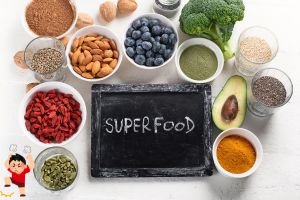
Not all foods are created equal when it comes to stress management. Certain superfoods provide essential nutrients that calm the mind, improve mood, and increase resilience.
Leafy Greens and Vegetables
- Spinach, kale, broccoli, and bell peppers are rich in magnesium, folate, and antioxidants, which help regulate stress hormones and protect brain health.
- Eating a variety of colorful vegetables reduces inflammation and improves overall well-being.
Tip: Add spinach to dal, make a mixed sabzi, or stir-fry greens with garlic for lunch and dinner.
Nuts and Seeds
- Almonds, walnuts, flaxseeds, and pumpkin seeds contain magnesium, zinc, and healthy fats that support brain function and regulate cortisol levels.
- A small handful as a mid-morning or evening snack can reduce anxiety and prevent energy crashes.
Fatty Fish
- Salmon, mackerel, sardines, and tuna are rich in omega-3 fatty acids, which reduce inflammation and support mental health.
- Including fatty fish 2–3 times a week can enhance resilience to stress.
Dark Chocolate
- A small square after lunch or as an evening snack can uplift mood.
Fermented Foods
- Yogurt, kefir, idli, and dosa contain probiotics that promote a healthy gut microbiome, which is directly linked to mood regulation.
- Including fermented foods in your diet can reduce anxiety and improve sleep quality.
Tip: Try combining these superfoods into meals. For example, a salad with leafy greens, nuts, yogurt dressing, and a small piece of dark chocolate for dessert makes a balanced, stress-reducing meal.
3. Nutrients That Calm the Mind

Certain nutrients are particularly effective at reducing stress because they support the nervous system, hormone balance, and brain function:
Magnesium
- Found in leafy greens, nuts, seeds, and whole grains.
- Helps relax muscles, regulate nerve function, and reduce anxiety.
B Vitamins
- Found in eggs, dairy, legumes, and whole grains.
- Essential for neurotransmitter production; deficiencies can worsen fatigue and stress.
Vitamin C
- Found in citrus fruits, guava, bell peppers, and amla.
- Supports adrenal health and helps combat oxidative stress caused by chronic tension.
Omega-3 Fatty Acids
- Found in fatty fish, flaxseeds, chia seeds, and walnuts.
- Reduce inflammation, enhance brain function, and improve mood stability.
Tip: A simple stress-relieving plate could include chapati with dal, a side of sautéed spinach, a handful of nuts, and fresh orange slices.
4. Habits for Stress-Reducing Nutrition

Adopting stress-reducing nutritional habits isn’t just about what you eat—it’s how and when you eat. Small, consistent changes can make a big difference in managing stress.
- Eat Regularly: Skipping meals spikes cortisol and blood sugar, which can worsen irritability, fatigue, and mood swings. Aim for 3 balanced meals and 1–2 smart snacks per day. Eating consistently stabilizes energy and helps your body handle stress better.
- Stay Hydrated: Even mild dehydration can increase feelings of stress and reduce concentration. Drink water throughout the day, enjoy herbal teas like tulsi or chamomile, or coconut water for hydration and added electrolytes.
- Limit Caffeine and Sugar: While coffee or sugary snacks provide short-term energy, they can trigger anxiety, mood swings, and energy crashes. Replace excessive caffeinated drinks with green tea, herbal infusions, or water-rich fruits like oranges or watermelon.
- Plan Balanced Meals: Every meal should have protein, complex carbs, healthy fats, and vegetables. This combination supports stable blood sugar, reduces stress hormone spikes, and improves mood.
- Snack Smartly: Avoid mindless munching on chips or biscuits. Instead, choose nuts, seeds, roasted chana, or fruit. These provide magnesium, fiber, and antioxidants, which reduce stress and prevent energy slumps.
- Example: Replace fried pakoras or samosas with roasted makhana or sprouts chaat. Add a side of cucumber and carrot sticks with a light yogurt dip for a refreshing snack that calms your nervous system.
Tip: Keep a small portion of nuts or seeds in your bag or office drawer. When you feel stressed or low on energy, you have a healthy, mood-boosting option ready.
5. Foods to Avoid During Stress

Certain foods can exacerbate stress, increase inflammation, and disrupt sleep. Being mindful of what you avoid is just as important as what you include:
- Highly Processed Foods: Packaged snacks, instant noodles, and fast foods are high in refined carbs, unhealthy fats, and sodium. They can cause blood sugar spikes and inflammation, which worsen stress.
- Excess Sugar: Sugary sweets, beverages, and desserts may feel comforting but lead to energy crashes and irritability after the initial spike.
- Too Much Caffeine: While moderate coffee or tea is fine, overconsumption can increase anxiety, jitteriness, and sleep disturbances.
- Alcohol: Though some may consider it relaxing, alcohol disrupts sleep, dehydrates the body, and increases cortisol, adding more stress to your system.
Tip: Avoid frequent intake of fried street food like samosas, kachoris, or fried bhajiyas during stressful periods. Instead, try baked alternatives or light, home-cooked snacks like dhokla or roasted makhana.
6. Lifestyle Practices That Complement Nutrition

Nutrition alone cannot fully manage stress. Combining it with healthy lifestyle habits amplifies its benefits:
- Exercise Regularly: Physical activity reduces cortisol, improves mood, and increases endorphins. Yoga, walking, jogging, or even simple stretching routines help release tension and calm the nervous system.
- Prioritize Sleep: Adequate rest allows your body to regulate stress hormones, repair tissues, and improve cognitive function. Poor sleep amplifies stress and cravings for unhealthy foods.
- Practice Mindfulness: Meditation, deep breathing, or journaling strengthens the mind-body connection. Mindful practices help you notice stress triggers and reduce impulsive eating caused by anxiety.
- Create a Stress-Friendly Environment: Organize your workspace, cook meals in a calm setting, and eat without distractions. Eating in front of a TV or phone can lead to mindless consumption, increasing stress and bloating.
Tip: Combine nutrition with lifestyle. For example, enjoy a green smoothie after morning yoga or sip herbal tea during a journaling session. This creates a holistic routine that strengthens mind and body.
Conclusion
Stress is a natural part of life, but how we respond to it determines whether it weakens us or strengthens us. While meditation, exercise, and therapy all play vital roles, nutrition is often the missing link in stress management. The foods we choose every day can either fuel anxiety or foster calm, either drain energy or restore balance.
By focusing on stress-fighting superfoods, essential nutrients, and mindful eating habits, we can train our bodies and minds to handle life’s challenges with greater clarity and stability. Avoiding processed foods, excessive caffeine, and refined sugar while embracing whole, nutrient-rich meals not only improves mood and sleep but also builds long-term resilience.
When combined with lifestyle practices like movement, mindfulness, and quality sleep, nutrition becomes a powerful foundation for holistic stress management. It transforms food from simply being fuel into a tool for healing, energy, and emotional balance.
FAQs
1. Can the food I eat really affect my stress levels?
Yes. Nutrition directly impacts hormones, neurotransmitters, and energy levels. Eating nutrient-dense foods helps calm the nervous system, while processed, sugary foods can worsen anxiety and fatigue.
2. Which foods are best to eat during stressful times?
Leafy greens, nuts, seeds, fatty fish, fermented foods, and fruits rich in vitamin C are excellent choices. They provide magnesium, omega-3s, antioxidants, and probiotics that reduce stress and improve resilience.
3. Is caffeine harmful when I’m stressed?
Too much caffeine can increase anxiety, jitteriness, and disturb sleep. Limiting coffee, energy drinks, or strong tea during stressful periods can help keep cortisol levels balanced.
4. How does hydration influence stress?
Even mild dehydration can raise cortisol and lower concentration. Drinking enough water, herbal teas, or coconut water helps regulate mood and keeps the body calm.
5. Are there quick snacks I can keep handy to reduce stress?
Yes—almonds, walnuts, roasted chana, pumpkin seeds, yogurt, and fruit are portable and packed with stress-fighting nutrients.
6. Does sugar worsen stress?
Yes. Sugary foods give a quick energy spike but lead to a crash that worsens irritability, anxiety, and mood swings. Replacing sweets with fruit or dark chocolate is a healthier option.
7. Can skipping meals make stress worse?
Absolutely. Skipping meals destabilizes blood sugar and spikes cortisol, leaving you more irritable and tired. Eating regular, balanced meals is key to stress resilience.
8. How do fermented foods help with stress?
Foods like yogurt, kefir, dosa, and idli contain probiotics that improve gut health. Since the gut and brain are connected, a healthy gut microbiome supports better mood and stress regulation.
9. Are supplements necessary for stress management?
Whole foods are the best source of nutrients. Supplements (like magnesium or omega-3) may help if there’s a deficiency, but they should be taken only after consulting a healthcare professional.
10. Can nutrition alone eliminate stress?
No. Nutrition is a powerful tool but works best when combined with exercise, sleep, mindfulness, and a balanced lifestyle. Together, these habits strengthen the body’s response to stress.