


Exercise is more than just burning calories or building muscles—it’s about optimizing performance, improving endurance, and supporting overall health. While many people focus solely on the workout itself, what you eat before and after exercising can make a significant difference in your results. Proper nutrition fuels your body, enhances energy levels, supports muscle growth, and accelerates recovery. Without the right fuel, even the most intense workout can leave you feeling fatigued, sore, or underperforming.
Pre and post-workout nutrition is not just for professional athletes or bodybuilders—it is essential for anyone who exercises regularly, whether it’s running, weight training, yoga, or high-intensity interval training (HIIT). Eating the right combination of carbohydrates, proteins, healthy fats, and fluids at the right time ensures that your muscles have energy during the workout and nutrients needed to repair and grow afterward.
In addition to enhancing physical performance, proper workout nutrition can improve mental focus, prevent injuries, reduce muscle soreness, and even support long-term health goals like weight management, improved metabolism, and cardiovascular fitness. By understanding what to eat and when, you can maximize the benefits of every exercise session and feel stronger, more energized, and more resilient.
This guide will walk you through the science-backed strategies for pre and post-workout nutrition, including the best foods to eat, practical timing tips, and sample meal ideas to help you get the most out of your workouts—whether you’re aiming for strength, endurance, or overall fitness.
Pre-Workout Nutrition: Fueling Your Performance
Pre-workout nutrition is all about giving your body the energy and nutrients it needs to perform at its best. What you eat before exercise can significantly impact your stamina, strength, and focus. Consuming the right combination of carbohydrates, protein, and fluids ensures that your muscles have sufficient fuel, your energy levels remain stable, and you avoid fatigue or dizziness during workouts.
1. Timing Your Meal

“Right food at the wrong time can turn nutrition into confusion — timing is the silent ingredient of every healthy meal.”
The timing of your pre-workout meal plays a crucial role in digestion and performance:
- 2–3 hours before exercise: Consume a balanced meal with complex carbohydrates, moderate protein, and minimal fat. This gives your body enough time to digest and convert the food into energy.
- 30–60 minutes before exercise: Opt for a light snack that is easily digestible and provides quick energy without causing bloating or discomfort.
Eating too early may leave you feeling hungry during exercise, while eating too late can cause stomach cramps or sluggishness.
2. Carbohydrates: Your Primary Fuel Source
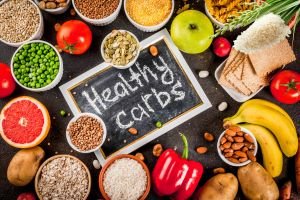
“Carbohydrates aren’t the enemy — they’re your body’s favorite fuel to think sharper, move faster, and live stronger.”
Carbohydrates are the main energy source for your muscles during exercise. They are stored as glycogen in the muscles and liver and are broken down into glucose when your body needs energy. Adequate carbohydrate intake before exercise helps:
- Maintain steady energy levels
- Improve endurance and performance
- Reduce the risk of muscle fatigue
Good options:
- Oatmeal topped with fruits or nuts
- Whole-grain toast with nut butter
- A banana or apple for a quick energy boost
- Smoothies made with yogurt, fruits, and a scoop of oats
3. Protein: Protecting Your Muscles
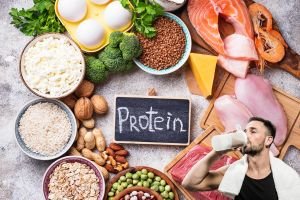
“Protein is your body’s repair team — rebuilding, strengthening, and protecting your muscles with every bite.”
While carbohydrates fuel your workout, protein prepares your muscles for repair and growth. Including some protein in your pre-workout meal helps:
- Prevent muscle breakdown
- Promote muscle synthesis post-workout
- Keep you feeling full and focused during exercise
Good options:
- Greek yogurt or cottage cheese
- Boiled eggs or egg whites
- A scoop of protein powder blended into a smoothie
4. Hydration: Essential for Performance
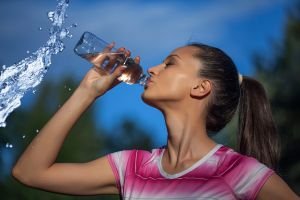
“Hydration is the hidden power — fueling your focus, energy, and performance drop by drop.”
Staying hydrated is crucial for exercise. Even mild dehydration can lead to reduced endurance, muscle cramps, dizziness, and fatigue. Water helps regulate body temperature, transport nutrients, and remove waste products during exercise.
Tips:
- Drink 300–500 ml of water 30–60 minutes before your workout
- For longer or intense workouts, consider adding electrolyte drinks to maintain mineral balance
5. Foods to Avoid Before Exercise
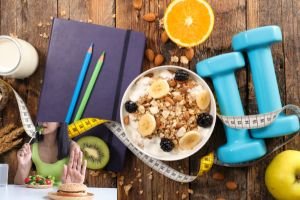
“Skip the heavy, greasy, and sugary — they slow your stride before you even start.”
Certain foods can slow digestion and impair performance if eaten too close to a workout:
- Heavy, greasy, or fried foods
- High-fiber foods in large quantities (may cause bloating)
- Sugary snacks or drinks that cause energy spikes followed by crashes
6. Snack Ideas for Quick Energy

“Grab smart snacks — a mix of carbs and protein to lift your energy, not your sugar levels.”
If you don’t have time for a full meal before your workout, try light and digestible snacks:
- Banana with a teaspoon of peanut butter
- Handful of nuts with dried fruit
- Energy bars made with oats, nuts, and natural sweeteners
- Smoothies with yogurt, berries, and a touch of honey
By focusing on carbohydrates for energy, protein for muscle support, and hydration for optimal performance, your pre-workout nutrition can set the foundation for a productive and energizing workout session. Eating wisely before exercise ensures that your body is fueled, your muscles are ready, and you get the most out of every training session.
Post-Workout Nutrition: Recovery and Muscle Repair
Post-workout nutrition is just as important as the workout itself. After exercising, your muscles are fatigued, glycogen stores are depleted, and small microtears in muscle fibers have occurred. Eating the right foods after a workout helps your body recover faster, rebuild muscle, reduce soreness, and restore energy levels. Proper post-workout nutrition ensures that all the effort you put into training translates into strength, endurance, and overall fitness improvements.
1. Protein: Repair and Rebuild Muscles
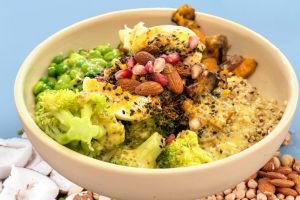
“Protein powers recovery — repairing, rebuilding, and readying your muscles for what’s next.”
Protein is essential after exercise because it provides amino acids, the building blocks your muscles need to repair microtears and grow stronger. Without adequate protein, your body may struggle to rebuild muscle, which can lead to delayed recovery and reduced performance in subsequent workouts.
Good sources of protein:
- Whey or plant-based protein shakes
- Eggs or egg whites
- Lean meats like chicken or fish
- Greek yogurt or cottage cheese
- Tofu for vegetarians
Tip: Aim for 20–30 grams of protein within 30–60 minutes post-exercise for optimal muscle repair.
2. Carbohydrates: Replenish Energy Stores
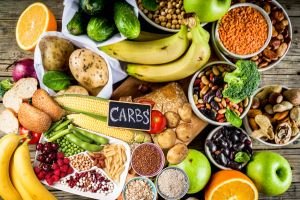
“Carbohydrates refill your body’s energy tank — keeping you fueled, focused, and ready to move.”
During exercise, your muscles use glycogen (stored carbohydrates) as their primary energy source. Post-workout carbohydrates are crucial to replenish these glycogen stores, restore energy, and prevent fatigue. Pairing carbs with protein also enhances muscle recovery and growth.
Good sources of post-workout carbohydrates:
- Sweet potatoes or boiled potatoes
- Brown rice, quinoa, or whole-grain pasta
- Fruits like bananas, berries, or apples
- Oats or whole-grain bread
Tip: For high-intensity or long-duration workouts, consuming carbs soon after exercise can maximize glycogen replenishment.
3. Healthy Fats: Support Recovery in Moderation
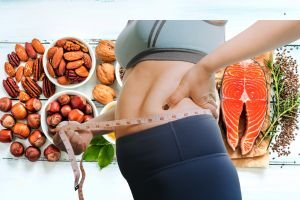
“Healthy fats heal quietly — supporting recovery, balance, and long-lasting energy when enjoyed in moderation.”
While fats slow digestion, including a small amount of healthy fats post-workout can help reduce inflammation, support joint health, and improve overall recovery. Avoid heavy or greasy meals immediately after exercise, as they may delay nutrient absorption.
Good sources of healthy fats:
- Avocado slices
- Nuts and seeds
- Olive oil drizzled on vegetables
- Nut butter in smoothies or on toast
4. Hydration and Electrolytes: Replacing Lost Fluids
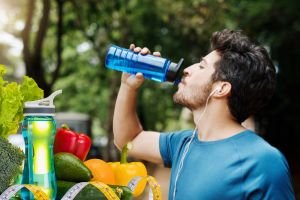
“Hydration and electrolytes work together — restoring what sweat takes away to keep your body in balance.”
Water is vital for replacing fluids lost through sweat. Post-workout hydration helps maintain cell function, supports digestion, and aids nutrient transport. For intense or prolonged exercise, electrolyte replenishment is also important to restore minerals like sodium, potassium, and magnesium, which are lost through sweat.
Good options:
- Water (always essential)
- Coconut water for natural electrolytes
- Homemade electrolyte drinks with water, lemon, and a pinch of salt
5. Anti-Inflammatory Foods: Reduce Muscle Soreness
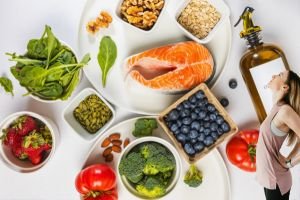
“Anti-inflammatory foods calm the fire within — easing muscle soreness and speeding up your recovery naturally.”
Post-workout meals can also include anti-inflammatory foods to help reduce soreness, prevent oxidative stress, and promote faster recovery. Foods rich in antioxidants support muscle repair and overall health.
Good anti-inflammatory options:
- Berries (blueberries, strawberries, raspberries)
- Leafy greens (spinach, kale)
- Turmeric or ginger added to meals or smoothies
- Fatty fish like salmon
6. Timing: Eat Within the Optimal Window
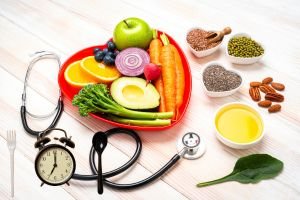
“Timing is everything — fuel your body within the right window to maximize energy, recovery, and results.”
The first 30–60 minutes after exercise is often called the “anabolic window,” where your muscles are most receptive to nutrients. Consuming a balanced combination of protein and carbohydrates during this window maximizes muscle repair, glycogen restoration, and recovery.
Sample Post-Workout Meal Ideas:
- Grilled chicken with quinoa and roasted vegetables
- Protein smoothie with banana, berries, and almond milk
- Greek yogurt topped with oats, chia seeds, and fresh fruit
- Tofu stir-fry with brown rice and colorful vegetables
Proper post-workout nutrition accelerates recovery, improves performance in subsequent workouts, and supports overall fitness goals. By prioritizing protein, carbohydrates, hydration, and anti-inflammatory foods, you give your body the tools it needs to repair, rebuild, and come back stronger.
Conclusion
Proper nutrition is the cornerstone of maximizing your workout performance and recovery. What you eat before exercise fuels your muscles, enhances energy levels, and sharpens mental focus, while the foods you consume after working out aid in muscle repair, glycogen replenishment, and overall recovery. By understanding and applying the principles of pre and post-workout nutrition, you can not only improve endurance and strength but also reduce fatigue, prevent injuries, and accelerate progress toward your fitness goals.
Incorporating complex carbohydrates, high-quality protein, healthy fats, and adequate hydration at the right times ensures that your body has the energy to perform and the nutrients to recover efficiently. Additionally, small lifestyle adjustments like timing your meals, including anti-inflammatory foods, and choosing nutrient-dense snacks can make a significant difference in your results over time.
Remember, exercise alone is not enough—nutrition is the fuel that powers your workouts and supports long-term fitness success. By prioritizing what you eat before and after exercise, you set yourself up for stronger, safer, and more effective workouts, while also supporting overall health and well-being. Fuel your body wisely, and it will reward you with energy, endurance, and performance that keeps you at your best every time you train.
FAQs
1. Why is pre-workout nutrition important?
Pre-workout nutrition provides your body with energy, focus, and endurance, helping you perform better and avoid fatigue or dizziness during exercise.
2. What should I eat before a workout?
A balanced pre-workout meal should include complex carbohydrates for energy, moderate protein for muscle support, and adequate hydration. Examples: oatmeal with banana, whole-grain toast with nut butter, or a fruit smoothie with yogurt.
3. How long before a workout should I eat?
Consume a full meal 2–3 hours before exercise. If you need a snack closer to your workout, eat 30–60 minutes prior for quick energy.
4. Why is post-workout nutrition important?
Post-workout nutrition replenishes glycogen, repairs muscles, reduces inflammation, and aids recovery, ensuring optimal results from your exercise.
5. What foods are best after a workout?
A combination of protein and carbohydrates is ideal. Good options include protein shakes, grilled chicken with quinoa, Greek yogurt with fruits, or tofu stir-fry with brown rice.
6. How much protein should I consume post-workout?
Aim for 20–30 grams of high-quality protein within 30–60 minutes after your workout to support muscle repair and growth.
7. Should I include fats in post-workout meals?
Yes, small amounts of healthy fats like avocado, nuts, or olive oil can aid recovery and reduce inflammation, but avoid heavy or greasy foods immediately after exercise.
8. How important is hydration for pre and post-workout nutrition?
Hydration is crucial. Water maintains cell function, nutrient transport, and body temperature. For intense workouts, electrolytes may also need replenishing.
9. Can post-workout nutrition reduce muscle soreness?
Yes, consuming anti-inflammatory foods like berries, leafy greens, turmeric, and fatty fish helps reduce soreness and supports faster recovery.
10. How soon should I eat after exercising?
Aim to eat a balanced meal within 30–60 minutes after your workout to maximize muscle recovery, glycogen replenishment, and overall performance.