
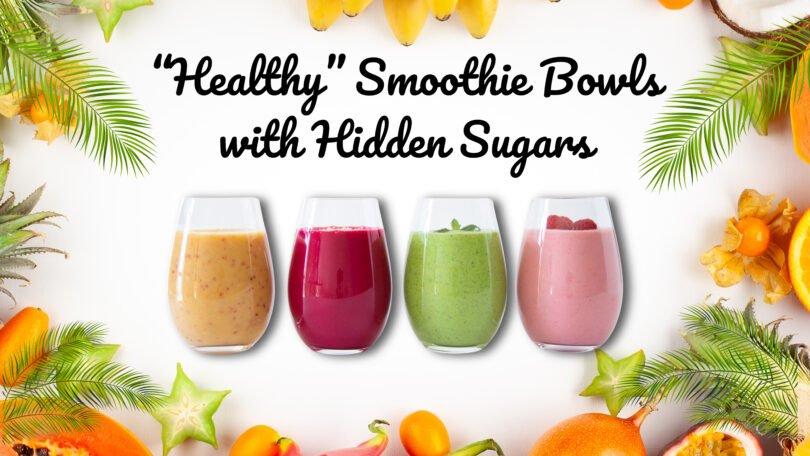

Smoothie bowls have become a global health trend — bright, beautiful, and brimming with fruits, nuts, and seeds. They’re often promoted as “clean,” “nutritious,” and “perfect for weight loss.” But beneath their wholesome image lies a surprising truth — many of these so-called “healthy” bowls are actually loaded with hidden sugars.
That thick fruit purée, sweetened yogurt, granola, and honey drizzle might make your bowl Instagram-worthy, but together they can add up to 40–60 grams of sugar — as much as a dessert. While fruits and natural sweeteners sound harmless, large quantities can cause sharp blood sugar spikes, energy crashes, and increased cravings later in the day.
The problem isn’t smoothie bowls themselves — it’s how they’re made. When prepared smartly, they can be a powerhouse of nutrients, fiber, and antioxidants. But when overloaded with sugary ingredients, they quickly shift from healthy breakfast to sugar bomb.
In this article, we’ll break down the truth behind “healthy” smoothie bowls, uncover where hidden sugars come from, and share simple ways to make your bowl truly balanced, nourishing, and guilt-free.
The Rise of the Smoothie Bowl Trend

“A bowl full of colours, a day full of energy.”
In the last decade, smoothie bowls have evolved from a niche health food to a global wellness phenomenon. What began as a simple blend of fruits and yogurt has transformed into a colorful culinary trend that dominates social media feeds and café menus worldwide. Their aesthetic appeal — bright colors, artistic toppings, and thick creamy textures — made them an instant favorite among fitness enthusiasts, influencers, and anyone pursuing a “clean-eating” lifestyle.
The popularity of smoothie bowls grew alongside the rise of superfoods and plant-based eating. Ingredients like acai, spirulina, chia seeds, and almond butter became buzzwords for nutrition and vitality. Health-conscious consumers loved the idea of eating something that looked indulgent but felt healthy — a sweet treat that could still fit into a diet plan.
Social media platforms like Instagram and Pinterest played a huge role in making smoothie bowls iconic. Their visual appeal — vibrant swirls of pink, purple, and green, topped with perfectly arranged fruit slices — created an image of wellness that was easy to admire and aspire to. The hashtag #SmoothieBowl alone has garnered millions of posts, reinforcing the idea that these bowls are the ultimate healthy breakfast.
However, this growing obsession with presentation over nutrition gradually blurred the line between what looks healthy and what truly is healthy. Many cafés and online recipes began prioritizing sweetness, thickness, and aesthetic toppings over nutritional balance. Bowls that were meant to be nourishing became loaded with fruit juices, flavored yogurts, granola clusters, and honey, often turning into calorie-dense, sugar-heavy meals disguised as wellness food.
What was once intended as a nutrient-rich breakfast option has, in many cases, become a dessert in disguise — high in calories, low in protein, and lacking the balance needed for steady energy and metabolism.
Still, smoothie bowls can be incredibly healthy when made correctly. The key lies in understanding the difference between naturally sweet and overly sweetened ingredients — and learning to create bowls that nourish your body instead of spiking your blood sugar.
The Hidden Sugars Lurking in Your Bowl

“Not every sweet bite is innocent—some sugars hide in the bowl.”
One of the biggest misconceptions about smoothie bowls is that they’re naturally low in sugar because they’re made with fruits. While fruits do contain beneficial vitamins, minerals, and antioxidants, it’s important to remember that they’re also rich in natural sugars like fructose. When combined with other sweet ingredients such as honey, flavored yogurt, and granola, the total sugar load can skyrocket — often without you realizing it.
A smoothie bowl can easily contain 40–60 grams of sugar, which is nearly double the World Health Organization’s recommended daily limit for adults. The problem isn’t just the amount of sugar, but how quickly your body absorbs it when it’s blended and stripped of fiber. Let’s look at where these hidden sugars sneak in:
1. Fruit Juices and Purees – The Sugar-Dense Base
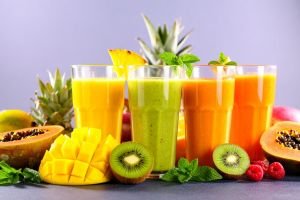
“When fruits lose their fiber, their sugars take the lead—juices and purees become a sweet trap.”
Many smoothie bowls start with a base made of fruit juice or puree — like orange, mango, pineapple, or acai. While these ingredients sound natural, they’re often concentrated sources of sugar that lack the fiber found in whole fruits.
- Just one cup of fruit juice can contain 20–25 grams of sugar, similar to a can of soda.
- The absence of fiber means sugar enters the bloodstream rapidly, causing blood sugar spikes and crashes that leave you tired and hungry soon after.
Pro tip: Use unsweetened milk, yogurt, or water as your base instead of fruit juice to keep sugar levels balanced.
2. Too Many High-Sugar Fruits

“Even nature’s candy can overload your bowl—too many high-sugar fruits add up fast.”
Fruits are healthy — but quantity and variety matter. Many popular smoothie bowls use multiple high-sugar fruits like banana, mango, grapes, and pineapple, often combined in large amounts to achieve that thick, sweet texture.
- While these fruits are nutrient-rich, they’re also high in natural sugars, and using two or three together can turn your bowl into a sugar bomb.
- Even “natural” sugars affect insulin levels and energy balance when consumed in excess.
Better choice: Mix one high-sugar fruit (like banana or mango) with low-glycemic fruits such as berries, kiwi, or green apple.
3. Granola and Crunchy Toppings
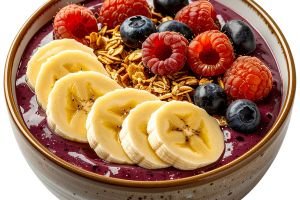
“The crunch may feel healthy, but granola often hides a sugary punch.”
Granola may look healthy, but it’s one of the most common sources of hidden sugars in smoothie bowls. Most store-bought granolas contain added sweeteners like honey, maple syrup, agave nectar, or brown rice syrup to make them taste better and clump together.
- Just half a cup of granola can add 10–15 grams of sugar.
- Add a drizzle of honey or flavored yogurt on top, and the total can quickly rise.
Pro tip: Choose unsweetened, homemade granola made with oats, seeds, and nuts — or use plain nuts and coconut flakes for crunch without the sugar spike.
4. Flavored Yogurts and Plant Milks

“Flavored yogurts and plant milks taste sweet for a reason—hidden sugars sneak in with every sip.”
To make smoothie bowls creamy, many recipes use flavored yogurt, vanilla almond milk, or sweetened coconut milk. These products often have hidden sugars added during processing.
- A single cup of flavored yogurt can contain 12–20 grams of sugar — sometimes more than a candy bar.
- Even “healthy” plant milks labeled as “vanilla” or “original” often contain added cane sugar or syrup.
Pro tip: Always opt for unsweetened versions of dairy or plant-based milks and yogurts. Add your own sweetness naturally with fruits or a pinch of cinnamon.
5. Protein Powders and Nut Butters

“Even the ‘healthy’ add-ons can deceive—protein powders and nut butters often carry quiet sugars.”
Even health boosters like protein powders and nut butters can be sneaky sugar sources. Many commercial protein powders are flavored with sugar, maltodextrin, or artificial sweeteners. Similarly, store-bought nut butters may contain added oils and sugars for better texture and taste.
- Some “chocolate” or “vanilla” protein powders contain up to 5–10 grams of sugar per scoop.
- Flavored nut butters may add 3–4 grams of sugar per tablespoon.
Pro tip: Read ingredient labels carefully. Choose unsweetened protein powders and pure nut butters made from 100% nuts.
6. “Natural” Sweeteners — Still Sugar in Disguise

“Natural’ sweeteners may sound clean, but they’re still sugar wearing a nicer outfit.”
Many smoothie bowl recipes use “natural” sweeteners like honey, maple syrup, agave, or coconut sugar, believing they’re healthier alternatives. While they do have trace minerals, they still count as added sugars and affect blood sugar levels similarly to white sugar.
- A tablespoon of honey adds nearly 15 grams of sugar (60 calories).
- These sweeteners can be beneficial in moderation but are easy to overuse when blended or drizzled.
Pro tip: If you must sweeten, use a small amount or try flavor-enhancers like cinnamon, vanilla extract, or cacao powder instead.
The Bottom Line
Even if your smoothie bowl is made from “natural” ingredients, the sugar content can quickly exceed healthy limits. The biggest problem is that these sugars don’t always taste overwhelmingly sweet, so it’s easy to underestimate them.
A bowl made with fruit juice, multiple sweet fruits, granola, honey, and yogurt can contain more sugar than a chocolate milkshake. Over time, this pattern can lead to blood sugar imbalances, fatigue, cravings, and difficulty managing weight.
Healthy eating is about balance — not just ingredients. Being mindful of what goes into your smoothie bowl can help you enjoy all its benefits without falling into the sugar trap.
The Blood Sugar Rollercoaster
You’ve probably experienced it before — that burst of energy after a “healthy” smoothie bowl followed by sudden fatigue, hunger, or irritability just an hour later. This is what nutritionists often call the blood sugar rollercoaster — a rapid rise and fall in blood glucose levels caused by consuming too much sugar in one sitting.
When you eat a smoothie bowl loaded with fruit juices, high-sugar fruits, and sweet toppings, your body quickly breaks down those sugars into glucose, which enters your bloodstream almost immediately. The result? A spike in blood sugar levels that makes you feel energized, alert, and happy for a short period.
But what goes up must come down.
Within a couple of hours, your body releases insulin, the hormone that helps move glucose from your blood into your cells for energy. If your smoothie bowl contains excess sugar without enough protein, fiber, or healthy fats to slow absorption, insulin can overcompensate — pushing your blood sugar levels down too quickly. This leads to the dreaded sugar crash — fatigue, irritability, cravings, and brain fog.
What Happens During a Sugar Spike
- Immediate Energy Burst:
You feel an instant surge of energy and focus because glucose is your body’s quickest source of fuel. - Insulin Surge:
Your pancreas releases insulin to manage the sudden sugar influx. - Rapid Drop in Blood Sugar:
When insulin drives glucose out of the bloodstream too fast, blood sugar dips below normal levels. - Energy Crash:
You begin to feel tired, dizzy, or mentally sluggish. - Cravings Return:
Low blood sugar signals the brain to crave more sugar or caffeine, leading to overeating or snacking — restarting the cycle.
Why This Cycle Is Harmful Over Time
Occasional sugar spikes are natural, but when they happen often — as they can with daily smoothie bowls or sugary breakfasts — the long-term effects can be serious.
- Increased Fat Storage: When insulin levels remain high, your body stores more fat, particularly around the abdomen.
- Energy Instability: Frequent highs and lows can make you feel constantly tired, unfocused, or “hangry.”
- Hormonal Imbalance: Chronic sugar spikes can affect cortisol (stress hormone) and leptin (satiety hormone), leading to overeating and slower metabolism.
- Inflammation and Insulin Resistance: Over time, your cells can become resistant to insulin, increasing the risk of type 2 diabetes, weight gain, and metabolic syndrome.
Essentially, what feels like a healthy morning habit could be quietly training your body to rely on sugar for energy — making it harder to burn fat or maintain stable moods throughout the day.
How to Get Off the Blood Sugar Rollercoaster
The good news is, you don’t have to give up smoothie bowls — you just have to build them smarter.
✅ Add Protein: Blend in Greek yogurt, tofu, or unsweetened protein powder to slow sugar absorption.
✅ Include Fiber: Use whole fruits instead of juices and add chia or flaxseeds for sustained energy.
✅ Balance with Healthy Fats: Top with nuts, seeds, or a spoon of natural nut butter for steady blood sugar.
✅ Reduce High-Sugar Additions: Skip honey, syrup, or sweetened granola — let natural fruit sweetness shine.
✅ Eat Mindfully: Don’t gulp it down! Eating slowly helps your body regulate insulin more effectively.
Why Balance Matters More Than Beauty
In today’s world of Instagram-perfect meals and Pinterest-worthy aesthetics, food has become as much about appearance as nourishment. Smoothie bowls are a prime example — the more vibrant, colorful, and decorative they look, the healthier they seem. But nutrition isn’t defined by how pretty your plate looks; it’s defined by balance, variety, and mindful choices.
When creating a smoothie bowl, most people focus on presentation — arranging banana slices, drizzling honey, and sprinkling granola for that picture-perfect finish. But what often gets overlooked is the nutritional composition underneath all the decoration. A bowl that’s visually stunning can still be imbalanced — too high in sugar, too low in protein, and lacking fiber or healthy fats.
This imbalance is what leads to those post-breakfast energy crashes, sugar cravings, and feelings of fatigue — even though you think you’re eating healthy. True wellness isn’t about how your meal looks on camera; it’s about how it makes your body feel hours later.
The Illusion of “Healthy” Aesthetics
Social media has made health food look glamorous, but often at the cost of nutritional awareness. A thick, brightly colored smoothie topped with heaps of fruit, coconut flakes, and granola looks wholesome, but that same bowl can easily contain over 500 calories and 50 grams of sugar — the equivalent of a dessert.
Many café versions are built to attract the eye, not support your body. They rely on tropical fruits, sweetened yogurts, and syrups to enhance color and flavor — ingredients that make the bowl photogenic but not necessarily balanced. The result? Meals that spike blood sugar quickly and leave you hungry again in a couple of hours.
What True Balance Looks Like
A truly healthy smoothie bowl doesn’t have to be picture-perfect; it has to be macronutrient-balanced. That means including:
- 🥦 Fiber: From vegetables, seeds, and whole fruits — slows digestion and stabilizes blood sugar.
- 🥚 Protein: From Greek yogurt, protein powder, tofu, or nut butter — keeps you full and supports muscle health.
- 🥑 Healthy Fats: From nuts, seeds, or avocado — sustain energy and improve nutrient absorption.
- 💧 Hydration: From unsweetened milk or water — helps with digestion and texture without extra sugar.
When your bowl includes this trio — protein, fiber, and fat — it becomes a complete meal that fuels your body, balances hormones, and provides lasting energy.
Food for the Body, Not the Camera
The truth is, your body doesn’t care about filters, color palettes, or perfect presentation — it only cares about what it can use, absorb, and thrive on. While there’s nothing wrong with enjoying a beautiful meal, health should always come before aesthetics.
So next time you make or buy a smoothie bowl, don’t just ask, “Does it look good?” — also ask, “Is it balanced? Will it nourish me for the next few hours?”
A bowl that might look simple — with fewer toppings and a modest color palette — can often be far more nutritious than one that’s loaded with decorative, sugary ingredients.
Conclusion
Smoothie bowls began as a wholesome idea — a vibrant, refreshing way to eat more fruits and superfoods. But over time, many have become sugar-loaded meals disguised as health food. The real issue isn’t the bowl itself; it’s the imbalance of ingredients and the belief that “natural sugar” can’t do harm.
By paying attention to what goes into your blender — choosing low-sugar fruits, unsweetened bases, protein, fiber, and healthy fats — you can transform your bowl from a quick sugar rush into a nutrient-dense, energy-sustaining meal.
Health isn’t about trends or picture-perfect meals; it’s about balance, awareness, and nourishment. When you build your smoothie bowls with intention rather than indulgence, you create something far better than just a pretty breakfast — you create a powerful start to your day that fuels your body, stabilizes your mood, and supports long-term wellness.
✨ Final takeaway: Enjoy the color, savor the flavor, but let nutrition, not appearance, guide your choices.
FAQs
1. Are smoothie bowls actually healthy?
Smoothie bowls can be healthy if made with balanced ingredients — like whole fruits, protein, fiber, and healthy fats. However, many versions sold in cafés or online recipes contain too much sugar, turning a healthy meal into a calorie-heavy dessert.
2. Why do smoothie bowls have so much sugar?
The sugar mainly comes from fruit juices, sweetened yogurts, granola, honey, and multiple high-sugar fruits. Even though these are “natural,” the total sugar content can easily exceed daily limits when combined.
3. What is the ideal sugar amount in a smoothie bowl?
A truly balanced smoothie bowl should have no more than 15–20 grams of total sugar (natural + added) and must include enough protein and fat to slow absorption and prevent blood sugar spikes.
4. Is fruit sugar (fructose) harmful?
In small amounts, no — fruit sugar is fine when eaten as part of whole fruit with fiber. But large amounts of blended fruit or fruit juice can cause quick blood sugar spikes, leading to energy crashes and cravings.
5. How can I make my smoothie bowl low in sugar?
Use unsweetened plant milk or Greek yogurt, add low-glycemic fruits like berries or kiwi, and skip sweeteners like honey or maple syrup. Include protein powder, chia seeds, or nut butter for balance.
6. Are smoothie bowls good for weight loss?
Only if made wisely. A high-sugar smoothie bowl can stall weight loss, but one that includes fiber, protein, and healthy fats can boost metabolism and keep you full longer.
7. Can I eat smoothie bowls every day?
Yes — if you keep them balanced and low in added sugar. Alternate between fruit-based bowls and vegetable-rich blends (like spinach or avocado) to add nutrients and variety.
8. Is granola healthy for smoothie bowls?
Granola can be healthy in moderation, but most store-bought versions are loaded with sugar and oils. Choose unsweetened granola or make your own using oats, seeds, and nuts.
9. What’s the best time to eat a smoothie bowl?
Morning is ideal — your body can use the energy for the day ahead. If you’re active, having one post-workout can help replenish glycogen and support recovery.
10. What are the healthiest toppings for smoothie bowls?
Go for unsweetened nuts, seeds, coconut flakes, fresh berries, or a drizzle of nut butter. These toppings add crunch, nutrition, and satiety without unnecessary sugar.