
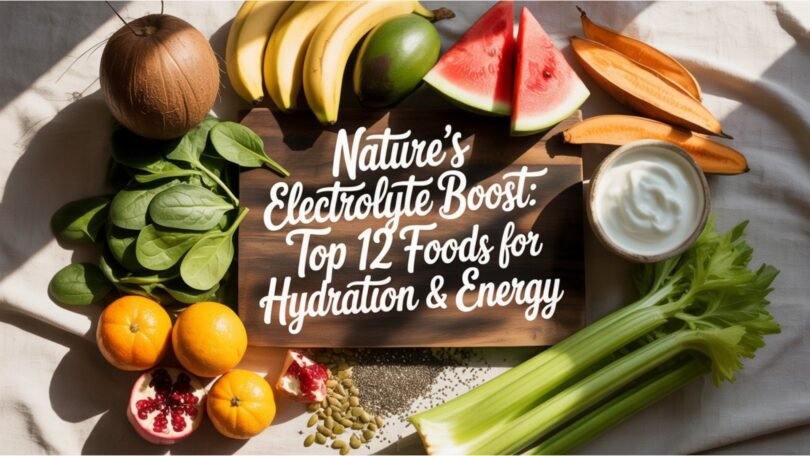

Hydration is the foundation of good health, yet most people misunderstand what it truly means to be hydrated. Drinking enough water is important, but hydration is incomplete without electrolytes—the essential minerals that regulate fluid balance, nerve impulses, and muscle contractions.
Electrolytes such as sodium, potassium, magnesium, calcium, chloride, and phosphate work as the body’s electrical system. They help your muscles contract, keep your heartbeat regular, regulate pH levels, and even influence brain function. If your electrolyte balance is off, no matter how much water you drink, you may feel fatigued, lightheaded, or cramp-prone.
While sports drinks and rehydration solutions are marketed as quick fixes, they often come with a downside: added sugars, artificial flavors, and preservatives. For most healthy individuals, the best way to maintain electrolyte balance is not through synthetic drinks but through whole, natural foods.
In this guide, we’ll explore the top 12 foods that act as natural electrolyte boosters. As a dietician, I’ll also explain why they work, how to use them in daily meals, and who benefits the most.
Why Electrolytes Are So Important
Electrolytes aren’t just a sports or summer issue—they’re crucial for everyone. Here’s why:
- Regulate Hydration: Electrolytes control how water moves between cells, ensuring hydration is efficient and balanced.
- Support Muscles & Nerves: They enable muscle contraction, nerve signaling, and prevent cramps.
- Maintain Blood Pressure: Potassium and sodium work in tandem to balance fluid levels and blood pressure.
- Stabilize pH Levels: Electrolytes maintain acid–base balance, critical for metabolic functions.
- Boost Energy: Magnesium and calcium directly participate in energy metabolism, ensuring that cells can convert food into usable energy.
When electrolytes drop (due to sweating, illness, stress, or poor diet), the consequences can range from mild (fatigue, headaches) to severe (arrhythmia, seizures).
That’s why building your meals with electrolyte-rich foods is one of the most sustainable ways to support health.
The Top 12 Natural Electrolyte Foods
1. Coconut Water – Nature’s Sports Drink

- Electrolytes present: Potassium, Sodium, Calcium, Magnesium
- Nutritional highlight: 1 cup = ~600 mg potassium
Coconut water is often nature’s best alternative to commercial sports drinks. It hydrates while delivering essential minerals without excess sugar.
Tip: Drink after exercise, sun exposure, or mild dehydration. Use it as a smoothie base with spinach, banana, and chia seeds for an all-in-one electrolyte boost.
2. Bananas – Quick Potassium Fix
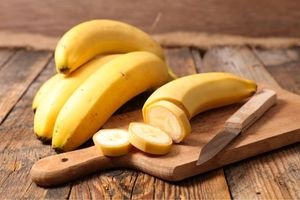
- Electrolytes present: Potassium, Magnesium
- Nutritional highlight: 1 medium banana = 422 mg potassium
Bananas are an athlete’s favorite. Potassium not only prevents cramps but also balances sodium levels, supporting blood pressure regulation.
Tip: Combine bananas with nut butter or Greek yogurt for a balanced snack. Ideal as pre- or post-workout fuel.
3. Avocados – Creamy Mineral-Rich Food
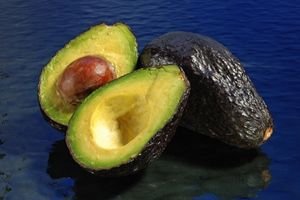
- Electrolytes present: Potassium, Magnesium
- Nutritional highlight: 1 avocado = ~975 mg potassium
Avocados provide double the potassium of bananas and are rich in magnesium. Plus, their healthy fats improve nutrient absorption, making them more than just an electrolyte food.
Tip: Use avocado slices in salads, blend into smoothies, or mash on toast with a sprinkle of sea salt.
4. Watermelon – Hydrating and Energizing
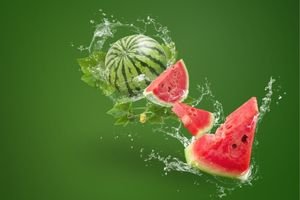
- Electrolytes present: Potassium, Magnesium
- Nutritional highlight: 92% water content
Perfect for summer hydration, watermelon not only quenches thirst but also restores electrolytes lost through sweat. Its natural sugars provide a quick energy lift.
Tip: Make watermelon juice with mint and a pinch of rock salt for a natural rehydration drink.
5. Spinach – Green Electrolyte Powerhouse
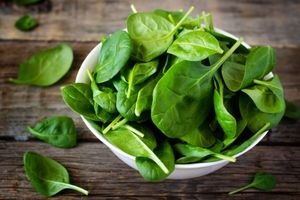
- Electrolytes present: Magnesium, Potassium, Calcium
- Nutritional highlight: 1 cup cooked = 157 mg magnesium
Magnesium deficiency is common, and spinach is a reliable, low-calorie source. Its combination of electrolytes supports both hydration and cardiovascular health.
Tip: Add to smoothies, stir-fries, or soups. Pair with vitamin C-rich foods (like lemon) to maximize absorption of iron alongside electrolytes.
6. Sweet Potatoes – Energy and Electrolytes in One

- Electrolytes present: Potassium, Magnesium, Sodium
- Nutritional highlight: 1 cup = 541 mg potassium
Sweet potatoes provide electrolytes plus slow-digesting carbs for sustained energy. Perfect for athletes and active individuals.
Tip: Bake or roast with a sprinkle of Himalayan salt to replenish sodium naturally.
7. Greek Yogurt – Calcium-Rich Hydrator
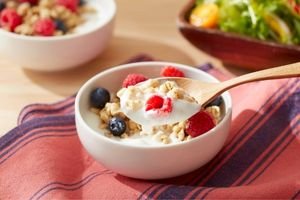
- Electrolytes present: Calcium, Potassium, Sodium
- Nutritional highlight: 1 cup = 240 mg calcium, 270 mg potassium
Greek yogurt replenishes electrolytes while offering protein and probiotics that benefit gut health.
Tip: Use as a base for fruit bowls, smoothies, or savory dips.
8. Oranges – Citrusy Electrolyte Source
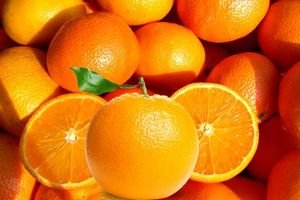
- Electrolytes present: Potassium, Magnesium, Calcium
- Nutritional highlight: 1 orange = 237 mg potassium
Oranges hydrate, restore electrolytes, and deliver vitamin C for immunity and recovery.
Tip: Snack on fresh slices, or blend into smoothies for a refreshing post-exercise drink.
9. Pumpkin Seeds – Compact Magnesium Source
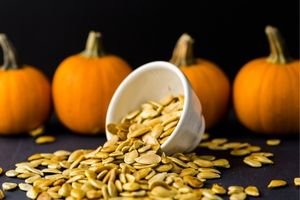
- Electrolytes present: Magnesium, Potassium, Zinc
- Nutritional highlight: 1 ounce = 168 mg magnesium
Pumpkin seeds are a concentrated source of electrolytes, especially magnesium, which helps reduce stress and improve sleep.
Tip: Sprinkle on salads, blend into smoothies, or roast lightly as a snack.
10. Celery – Naturally Salty Veggie

- Electrolytes present: Sodium, Potassium
- Nutritional highlight: 1 cup chopped = 80 mg sodium
Unlike most vegetables, celery is naturally high in sodium. Combined with water and potassium, it’s an excellent food for rehydration.
Tip: Add to juices, salads, or enjoy raw with hummus.
11. Chia Seeds – Hydration Enhancer
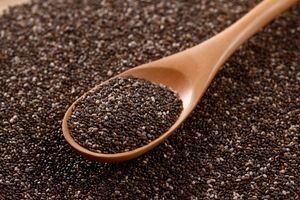
- Electrolytes present: Magnesium, Calcium, Potassium
- Unique property: Absorbs 10x its weight in water
Chia’s gel-forming property slows digestion and prolongs hydration, making it perfect for endurance athletes.
Tip: Soak overnight in water or plant milk to make chia pudding with fruits.
12. Pomegranates – Electrolytes with Antioxidants
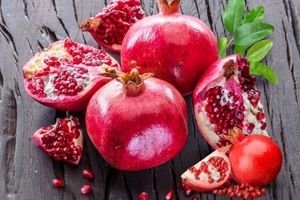
- Electrolytes present: Potassium, Magnesium
- Nutritional highlight: Half cup = 236 mg potassium
Beyond electrolytes, pomegranates reduce inflammation and oxidative stress—great for recovery after exercise.
Tip: Add seeds to salads, yogurt bowls, or enjoy fresh juice.
Common Signs of Electrolyte Imbalance
- Frequent muscle cramps
- Headaches and dizziness
- Fatigue and low energy
- Irregular heartbeat
- Brain fog and poor concentration
Who Needs Electrolytes the Most?
- Athletes & gym-goers: Heavy sweating depletes minerals.
- People in hot climates: Heat increases electrolyte loss.
- Individuals with gut issues: Vomiting or diarrhea causes rapid imbalance.
- Elderly: Natural aging impacts fluid and mineral regulation.
- Pregnant women: Higher fluid needs increase electrolyte demand.
How to Naturally Balance Electrolytes Daily
- Start your day with warm lemon water + pinch of pink salt.
- Add leafy greens to at least one meal.
- Use coconut water as your natural sports drink.
- Snack on seeds, fruits, and yogurt.
- Avoid overdoing plain water without electrolytes—spread intake evenly.
CONCLUSION
Electrolytes may seem like a small detail in nutrition, but they are absolutely essential for how our bodies function. They regulate fluid balance, power our muscles, keep our nerves communicating, and even stabilize our heartbeat. Without them, no amount of water alone can keep us truly hydrated.
The good news is that we don’t have to depend on processed sports drinks or supplements to stay balanced. Nature has already packed electrolytes into everyday foods that are easy to find and enjoyable to eat. Coconut water, bananas, avocados, watermelon, spinach, and pumpkin seeds are just a few examples of foods that not only restore hydration but also provide added benefits like antioxidants, fiber, and natural energy.
By including a mix of these 12 foods in daily meals and snacks, you can create a steady supply of electrolytes without even thinking about it. A glass of coconut water on a hot day, a handful of pumpkin seeds in the evening, or a spinach-based smoothie in the morning—these small choices make a big difference over time.
True hydration is not just about drinking water; it’s about giving your body the minerals it needs to use that water effectively. Choosing natural, whole-food sources of electrolytes means you’re not just replenishing what you’ve lost—you’re supporting overall health, energy, and resilience.
So, the next time you feel sluggish, fatigued, or dehydrated, remember that your answer may already be sitting in your kitchen. Nature’s own electrolyte boosters are a simple, powerful, and sustainable way to stay energized and hydrated—every single day.
FAQs
Q1. Why are electrolytes important for hydration?
Electrolytes regulate fluid balance, nerve communication, and muscle function. Without them, drinking water alone won’t fully hydrate the body.
Q2. What are the most common signs of electrolyte imbalance?
Muscle cramps, fatigue, dizziness, irregular heartbeat, and brain fog are common signs your body may need more electrolytes.
Q3. Can I rely on sports drinks for electrolytes?
While sports drinks provide electrolytes, they often contain added sugars and artificial ingredients. Whole foods like coconut water, bananas, and spinach are healthier options.
Q4. Which natural foods are best for quick electrolyte recovery?
Coconut water, watermelon, oranges, bananas, and yogurt provide fast electrolyte replenishment while also offering vitamins and antioxidants.
Q5. Are electrolytes only important for athletes?
No. Everyone needs electrolytes daily. Athletes, people in hot climates, pregnant women, and the elderly may require extra due to higher losses or demands.
Q6. How do electrolytes help with energy levels?
Minerals like magnesium and calcium support energy production in cells, while potassium and sodium maintain fluid balance for consistent energy.
Q7. Can eating too many electrolyte-rich foods be harmful?
Yes. Excess sodium or potassium can disrupt balance, especially for those with kidney or heart conditions. Balance and variety are key.
Q8. How can I naturally include electrolytes in my daily diet?
Add spinach to meals, snack on pumpkin seeds, drink coconut water, and eat fruits like oranges or pomegranates. Small, consistent choices are effective.
Q9. Is plain water enough to stay hydrated during exercise?
Not always. Heavy sweating depletes minerals along with fluids. Pairing water with electrolyte-rich foods or drinks helps maintain hydration and performance.
Q10. Who should be especially mindful of electrolyte intake?
Athletes, elderly individuals, people recovering from illness, and those living in hot or humid climates should pay close attention to electrolyte intake.