
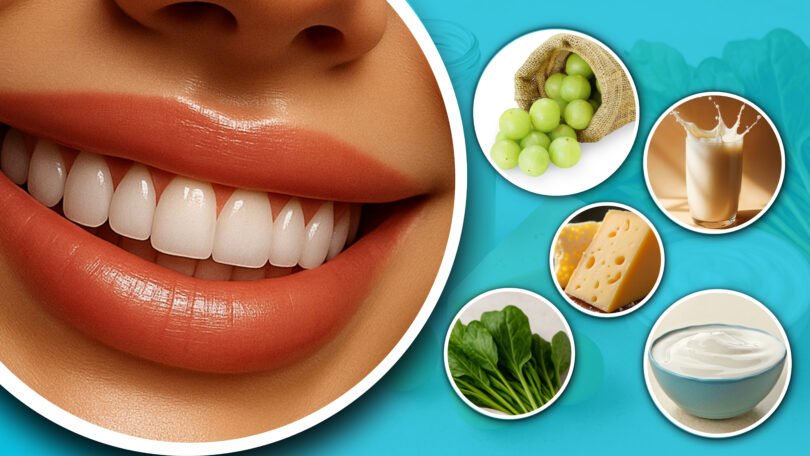

A Toothbrush maintains your teeth, but food builds them.
A radiant smile is more than just a sign of beauty—it is a reflection of your overall health. While brushing, flossing, and dental visits are non-negotiable, nutrition is the invisible factor that shapes the strength of your teeth and gums. What you eat directly influences whether your enamel stays strong, your gums remain firm, and your smile continues to shine throughout your life.
Teeth may look like hard, lifeless structures, but they are very much alive. Beneath the surface, nerves, roots, and blood vessels all depend on nutrients to stay healthy. Gums, too, are sensitive tissues that require constant nourishment. Without the right diet, enamel becomes weak, gums inflamed, and even the best dental care cannot prevent long-term issues.Why Nutrition Matters for Oral Health
- Teeth Strength: Enamel—the hardest material in the human body—needs minerals like calcium and phosphorus to maintain density and prevent erosion. If your diet is poor, enamel thins out, causing sensitivity and cavities.
- Gum Health: Gums are the foundation of your teeth. Vitamins like C and K, along with antioxidants, keep them firm, reduce swelling, and prevent bleeding. Nutritional deficiencies often show up first as gum disease.
- Saliva Protection: Saliva isn’t just water—it’s a protective fluid containing enzymes and minerals. A healthy diet ensures proper saliva flow, which neutralizes harmful acids and prevents bacterial overgrowth.
Calcium – The Tooth Strengthener
Role: Calcium is the cornerstone of dental health. It mineralizes enamel and dentin, making teeth harder and more resistant to decay. Inadequate calcium causes brittle, weak teeth prone to cracks and sensitivity.

Sources: Milk, yogurt, paneer, cheese, almonds, sesame seeds, ragi
⭐ Best Source: Milk and dairy products
Practical Tip: Have a glass of milk or buttermilk daily, enjoy yogurt as a side with lunch, or sprinkle sesame seeds on salads and parathas. For a plant-based boost, include ragi porridge or almond milk.
Vitamin D – The Calcium Absorber
Role: Without vitamin D, calcium cannot be absorbed effectively. It also supports jawbone density, preventing tooth loosening and gum problems. A deficiency often shows up as tooth decay despite high calcium intake.

Sources: Early morning sunlight, fortified milk, eggs, fatty fish, mushrooms
⭐ Best Source: Sunlight
Practical Tip: Get 15–20 minutes of sunlight exposure daily, preferably in the morning. Complement this with foods like fortified dairy, egg yolks, or mushrooms.
Phosphorus – The Enamel Protector
Role: Works alongside calcium to rebuild enamel and protect against erosion caused by acidic foods and drinks. It plays a key role in balancing pH levels in the mouth, creating an environment where enamel can repair itself naturally.

Sources: Eggs, fish, poultry, nuts, beans, whole grains
⭐ Best Source: Eggs
Practical Tip: Add boiled eggs or scrambled eggs to breakfast, snack on roasted chickpeas, or include whole grains like brown rice in meals.
Vitamin C – The Gum Guardian
Role: Vitamin C is essential for gum health as it strengthens collagen, the protein that supports gum tissues. Deficiency can lead to bleeding, swelling, and eventual gum disease. It also boosts immunity, reducing mouth infections.

Sources: Amla, oranges, guava, strawberries, bell peppers
⭐ Best Source: Amla
Practical Tip: Drink fresh amla juice in the morning, add bell peppers to stir-fries, or snack on guava in the afternoon.
Fluoride – The Natural Cavity Fighter
Role: Fluoride integrates into the enamel structure, making it more resistant to bacterial acids and decay. It can also reverse very early signs of tooth decay by remineralizing enamel.

Sources: Black tea, seafood, fluoridated water
⭐ Best Source: Fluoridated water
Practical Tip: Use fluoridated toothpaste, drink safe fluoridated water, and occasionally include seafood like shrimp or crab.
Vitamin K2 – The Calcium Director
Role: Vitamin K2 ensures calcium gets deposited into bones and teeth rather than arteries or soft tissues. It works closely with vitamin D to improve tooth remineralization and gum strength.

Sources: Cheese, curd, egg yolks, fermented foods
⭐ Best Source: Cheese
Practical Tip: Add a small cube of cheese to salads, enjoy curd with meals, or occasionally include fermented foods like kimchi or sauerkraut.
Probiotics – The Oral Microbiome Balancer
Role: A healthy mouth depends on balanced bacteria. Probiotics reduce harmful bacteria that cause cavities, gum disease, and bad breath, while supporting good oral flora. They also help reduce inflammation in gums.

Sources: Yogurt, kefir, fermented foods like dosa/idli batter, kimchi, sauerkraut
⭐ Best Source: Yogurt
Practical Tip: Eat a bowl of fresh probiotic-rich yogurt daily with lunch or dinner. For variety, try kefir or buttermilk.
Water – The Oral Cleanser
Role: Water is essential for washing away food particles and diluting acids in the mouth. It supports saliva production, which acts as a natural defense system against bacteria and cavities. Even mild dehydration reduces saliva, increasing oral problems.

Sources: Plain water, infused water with cucumber, mint, or lemon
⭐ Best Source: Plain filtered water
Practical Tip: Carry a reusable bottle and sip water regularly. Drink a glass of water after every meal to cleanse the mouth naturally.
Foods & Habits to Limit
- Sugary foods & drinks: Cause acid production that erodes enamel and feeds cavity-causing bacteria.
- Sticky foods: Caramel, toffees, and dried fruits cling to teeth, prolonging bacterial exposure.
- Acidic sodas & juices: Weaken enamel and cause long-term erosion.
- Smoking & alcohol: Reduce saliva flow, weaken gums, and accelerate tooth decay.
Lifestyle Habits for Better Oral Health
- Brush twice daily with fluoride toothpaste and replace your toothbrush every 3 months.
- Floss daily to clean food particles stuck between teeth where brushes can’t reach.
- Rinse your mouth after every meal, especially after sweets or acidic foods.
- Limit late-night snacking, as reduced saliva flow during sleep increases cavity risk.
- Visit a dentist every 6 months for preventive care and scaling.
Conclusion: Build Your Smile from Within
Your smile is your first impression, and how you care for it reflects your health. Brushing and flossing are vital daily habits, but without nutrition, teeth and gums cannot stay strong in the long run.
By consistently eating calcium-rich foods, boosting vitamin D, adding vitamin C for gum strength, and including probiotics for oral balance, you can protect your teeth from decay and your gums from disease. Pairing these nutrients with good oral hygiene creates a lasting foundation for strong, healthy teeth.
Remember, a toothbrush protects your teeth, but food builds them. Nourish your smile today, and it will shine for a lifetime.
FAQs
Q1. Why does nutrition matter for healthy teeth and gums?
Because food doesn’t just fill your stomach—it feeds your smile too! The right nutrients strengthen enamel, keep gums firm, and support saliva that naturally protects against decay.
Q2. Which nutrient is most important for strong teeth?
Calcium is the building block of enamel and dentin. Without enough of it, teeth can become weak, sensitive, and prone to cavities.
Q3. I drink milk but still have dental issues—why?
It could be due to low Vitamin D. Without Vitamin D, your body can’t properly absorb calcium, no matter how much you consume. Sunlight and fortified foods help bridge this gap.
Q4. How can I keep my gums healthy through diet?
Vitamin C is your gum’s best friend—it supports collagen, prevents bleeding, and reduces swelling. Think citrus fruits, guava, and amla.
Q5. Is fluoride really necessary for teeth?
Yes! Fluoride strengthens enamel, reverses early decay, and makes teeth more resistant to acid attacks. Using fluoridated toothpaste and drinking safe water are simple daily steps.
Q6. Can probiotics help my oral health?
Absolutely. Probiotics balance mouth bacteria, reduce bad breath, and lower the risk of gum disease and cavities. Yogurt and fermented foods are easy sources.
Q7. What role does water play in oral health?
Water washes away food particles, neutralizes acids, and keeps saliva flowing. Even mild dehydration can lead to a dry mouth and higher cavity risk.
Q8. Which foods or habits harm teeth the most?
Sugary drinks, sticky sweets, acidic sodas, smoking, and alcohol all speed up enamel erosion and weaken gums.
Q9. How often should I visit the dentist if I eat a balanced diet?
Even with a perfect diet, professional care is key. A dental checkup every 6 months helps catch early problems before they become serious.
Q10. What’s one simple daily habit for a lasting smile?
Pair calcium-rich foods with Vitamin D, snack smartly, sip plenty of water, and brush twice daily—you’ll build a smile that lasts a lifetime.