
“Doctor, my child keeps falling sick.”
This is one of the most common—and most heartbreaking—sentences parents say.
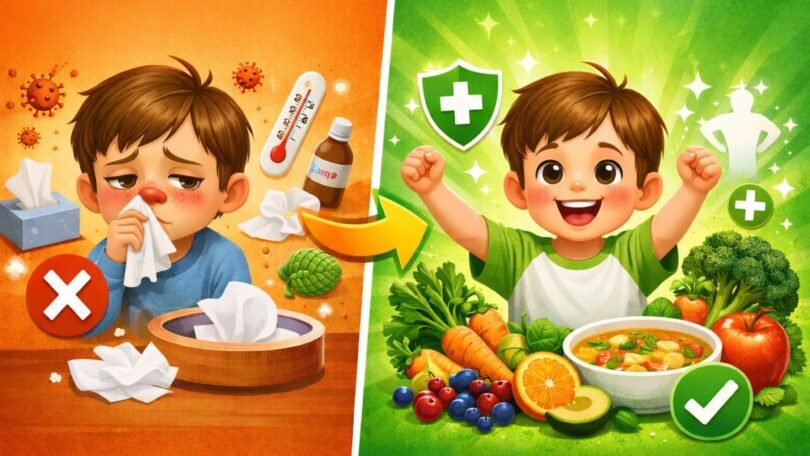
Frequent colds, coughs, stomach infections, low appetite, constant fatigue… many children today seem to recover slowly or fall ill again within weeks. While medicines are sometimes necessary, healing doesn’t come from pills alone. Often, the real therapy begins on the plate.
Nutrition is not just about growth charts and weight gain. For children who fall sick often, food becomes therapy—a daily, gentle way to rebuild immunity, strength, and resilience from within.
Why Are Children Falling Sick So Often Today?
Modern childhood looks very different from earlier generations.
Less outdoor play, irregular sleep, processed foods, sugary snacks, and constant screen time all quietly weaken a child’s natural defense system.
When the body doesn’t get the nutrients it needs, immunity becomes fragile. The result?
- Repeated infections
- Slow recovery
- Poor appetite after illness
- Weak energy levels
- Frequent antibiotic dependence
This is where therapeutic nutrition plays a powerful role.
What Does “Nutrition as Therapy” Really Mean?
Nutrition as therapy doesn’t mean fancy supplements or expensive superfoods.
It simply means:
- Using real, nourishing foods to support the immune system
- Helping the body repair and recover naturally
- Strengthening a child so illnesses become less frequent and less severe
Food becomes medicine—not overnight, but consistently, gently, and safely.
The Immune System Needs Fuel to Heal
Every time a child falls sick, the body uses extra nutrients to fight infection. If those nutrients are not replaced, recovery remains incomplete.
Key nutrients that act like natural healers:
Protein
Protein helps rebuild immune cells and tissues damaged during illness. Children who eat very little protein often feel weak and take longer to bounce back.
Sources: dal, milk, curd, paneer, eggs, nuts, seeds
Vitamins A, C & D
These vitamins protect the lining of the respiratory and digestive system and strengthen immune responses.
Sources: fruits, vegetables, sunlight, dairy
Iron & Zinc
Low iron and zinc can cause fatigue, poor appetite, and repeated infections.
Sources: leafy greens, pulses, seeds, nuts
Healthy Fats
Fats reduce inflammation and support immune cell function.
Sources: ghee (in moderation), nuts, seeds, oils
Why Children Don’t Recover Fully After Illness
Many children:
- Lose appetite during illness
- Eat only plain carbohydrates like biscuits, bread, or rice
- Avoid protein and vegetables during recovery
While light foods are needed initially, continuing this pattern for too long delays healing.
Without enough protein, vitamins, and minerals:
- Energy remains low
- Immunity stays weak
- The next illness arrives quickly
Nutrition as therapy focuses on post-illness nourishment, not just rest.
Food That Supports Faster Recovery
Gentle, nourishing foods work best during and after illness:
- Soft dals and khichdi with ghee
- Vegetable soups with protein sources
- Curd for gut healing
- Fruits for vitamins and hydration
- Warm, home-cooked meals
These foods don’t overload the body—they support healing quietly.
The Gut–Immunity Connection
A large part of immunity lives in the gut.
Frequent illnesses, antibiotics, and poor diets can disturb gut bacteria, leading to:
- Poor digestion
- Low immunity
- Frequent stomach infections
Including:
- Curd or fermented foods
- Fiber-rich fruits and vegetables
- Adequate fluids
helps restore gut health, which directly improves immunity.
Small Daily Habits That Make a Big Difference
Nutrition as therapy works best when supported by simple habits:
- Regular meal timings
- Adequate sleep
- Outdoor play and sunlight
- Limiting packaged snacks and sugary drinks
- Hydration throughout the day
These habits strengthen the body so it can fight infections naturally.
When Food Heals Better Than Fear
Parents often worry endlessly when a child falls sick again and again. But instead of fear, what children need is consistent nourishment and patience.
Healing doesn’t come from one “special food” or supplement.
It comes from:
- Balanced meals
- Loving routines
- Nutrients given daily, not occasionally
Nutrition doesn’t replace medical care—but it reduces the need for it over time.
A Gentle Message for Parents
If your child falls sick often, don’t blame yourself—and don’t panic.
Start small:
- Add protein to meals
- Improve variety
- Focus on recovery nutrition
- Build habits slowly
Food is not just fuel.
For children, food is care, protection, and quiet healing.
When nutrition becomes therapy, children don’t just recover faster—they grow stronger, happier, and more resilient with time.
FAQs
1. Why do some children fall sick more frequently than others?
Frequent illness is often linked to weak immunity, poor nutrition, irregular sleep, low physical activity, and high intake of processed foods.
2. Can diet really help children recover faster from illness?
Yes. Proper nutrition provides the nutrients needed to repair tissues, strengthen immunity, and restore energy, helping children recover more completely.
3. What nutrients are most important during recovery from illness?
Protein, vitamins A, C, and D, iron, zinc, and healthy fats are essential for immune repair and faster recovery.
4. Should children eat less during illness?
During illness, light foods are fine, but after recovery, nutrient-dense foods must be reintroduced to rebuild strength and immunity.
5. How does gut health affect immunity in children?
A healthy gut supports immune function. Poor gut health can weaken immunity and increase the risk of repeated infections.
6. Are supplements necessary for improving immunity?
Not always. Most children can meet their nutrient needs through a balanced diet unless a deficiency is diagnosed by a healthcare professional.
7. What foods should be avoided during frequent illness?
Sugary drinks, packaged snacks, fried foods, and highly processed items can weaken immunity and delay recovery.
8. How long does it take for nutrition to show improvements in immunity?
Consistent healthy eating over a few weeks to months can significantly improve immunity and reduce illness frequency.
9. Can nutrition reduce dependency on antibiotics?
While antibiotics may be needed sometimes, good nutrition helps strengthen natural immunity, reducing illness frequency and severity over time.
10. How can parents improve a picky eater’s nutrition during recovery?
Offer soft, familiar foods with added nutrition, involve children in food choices, and introduce new foods gradually without pressure.