
In today’s busy world, finding meals that are quick, nutritious, and satisfying can be a challenge. One-bowl meals are the perfect solution—simple, versatile, and packed with balanced nutrition.
A one-bowl meal combines complex carbs, lean proteins, fresh vegetables, and healthy fats in a single, convenient serving. This not only saves time but also ensures your body gets sustained energy, essential nutrients, and satiety without feeling heavy or sluggish.
These meals are also highly customizable, letting you mix flavors, colors, and textures while experimenting with global cuisines like Mediterranean, Asian, or plant-based bowls. Beyond nutrition, one-bowl meals encourage mindful eating and portion control, making them a practical, enjoyable, and sustainable approach to staying energized and healthy every day.
What Makes a One-Bowl Meal Healthy?
A truly nourishing one-bowl meal is not just about convenience—it’s about balance, variety, and nutrient density. A well-constructed bowl provides all the essentials your body needs for energy, recovery, and overall health. Here’s a detailed breakdown of what makes a one-bowl meal truly healthy:
1. Complex Carbohydrates for Sustained Energy

Complex carbohydrates are the body’s primary source of fuel. Unlike refined carbs, which cause rapid spikes in blood sugar followed by crashes, complex carbs release energy gradually, keeping you full and energized for longer.
Examples:
- Whole grains: quinoa, brown rice, millet, oats, bulgur
- Starchy vegetables: sweet potatoes, pumpkin, squash
Benefits:
- Provides lasting energy for work, study, or workouts
- Supports digestion due to high fiber content
- Helps maintain stable blood sugar levels
Tip: Try to make about one-quarter of your bowl complex carbs for balanced energy.
2. Lean Proteins for Muscle Repair and Satiety

Proteins are essential for building and repairing muscles, supporting immune function, and keeping you full between meals. Including lean protein in your one-bowl meal ensures that your body can recover and sustain energy levels effectively.
Examples:
- Animal-based: grilled chicken, boiled eggs, fish, shrimp
- Plant-based: tofu, tempeh, chickpeas, lentils, edamame, Greek yogurt
Benefits:
- Promotes muscle repair and growth
- Keeps you satiated, reducing unnecessary snacking
- Supports hormone production and overall metabolism
Tip: Aim for one-quarter of your bowl to be protein, balancing it with carbs and vegetables.
3. Colorful Vegetables for Vitamins, Minerals, and Antioxidants

Vegetables are the heart of a healthy one-bowl meal. They are rich in essential nutrients, fiber, and antioxidants that fight oxidative stress, support immunity, and maintain digestive health.
Examples:
- Leafy greens: spinach, kale, romaine lettuce
- Cruciferous veggies: broccoli, cauliflower, cabbage
- Bright vegetables: bell peppers, carrots, tomatoes, beets
- Fresh herbs: cilantro, parsley, basil
Benefits:
- Supports heart health and lowers inflammation
- Provides fiber for better digestion and gut health
- Supplies essential vitamins like A, C, and K, plus minerals like potassium and magnesium
- Adds color, texture, and visual appeal to your meal, enhancing satisfaction
Tip: Fill at least half your bowl with vegetables for a nutrient-dense foundation.
4. Healthy Fats for Brain and Hormone Health
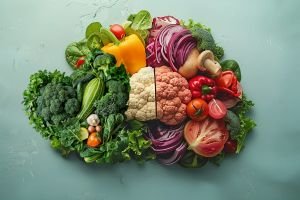
Healthy fats are essential for brain function, hormone balance, and nutrient absorption. Including small amounts of unsaturated fats in your bowl enhances satiety and flavor, making your meal more satisfying.
Examples:
- Avocado slices
- Nuts and seeds: almonds, walnuts, pumpkin seeds, chia seeds
- Healthy oils: olive oil, flaxseed oil, sesame oil
- Fatty fish: salmon, mackerel, sardines
Benefits:
- Supports cognitive function and mental clarity
- Improves absorption of fat-soluble vitamins (A, D, E, K)
- Provides anti-inflammatory benefits
- Keeps you feeling full longer
Tip: Use a small portion of fats—enough to boost nutrition without adding excess calories.
5. Flavor Enhancers Without Added Chemicals

A healthy one-bowl meal isn’t just nutritious; it should also be delicious and appealing. Using natural flavor enhancers ensures your meal is satisfying without relying on processed sauces, artificial flavors, or excessive salt.
Examples:
- Fresh herbs: basil, mint, cilantro, parsley
- Citrus: lemon or lime juice
- Spices: turmeric, paprika, cumin, black pepper
- Yogurt-based or tahini dressings
Benefits:
- Makes healthy eating enjoyable and sustainable
- Adds antioxidants and anti-inflammatory compounds naturally
- Encourages creativity and variety in meals
Benefits of One-Bowl Meals
One-bowl meals are more than just a trendy way to serve food—they are a powerful tool for nutrition, convenience, and overall wellness. By combining balanced portions of carbohydrates, protein, vegetables, and healthy fats, they deliver numerous physical, mental, and lifestyle benefits. Let’s explore each benefit in detail:
1. Balanced Nutrition in Every Bite
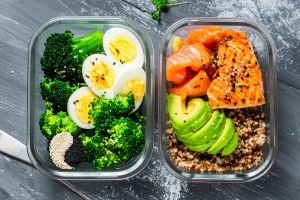
One-bowl meals naturally combine all the essential macronutrients and micronutrients your body needs in a single serving. This means you’re fueling your body with:
- Complex carbohydrates for sustained energy
- Lean protein for muscle repair and satiety
- Healthy fats for brain function and hormone balance
- Vitamins, minerals, and antioxidants from colorful vegetables
Why it matters: You no longer have to guess whether you’re getting enough protein, fiber, or healthy fats. A well-structured bowl ensures you meet your nutritional needs efficiently, promoting overall health and energy.
Example: A quinoa bowl with grilled chicken, roasted vegetables, avocado, and seeds delivers protein, carbs, fats, fiber, and essential vitamins—all in one meal.
2. Time-Saving and Convenient

In our busy lives, time is often the biggest barrier to healthy eating. One-bowl meals solve this problem by being quick to assemble and easy to customize.
How it helps:
- Pre-cooked grains, proteins, and vegetables can be stored in the fridge for several days.
- Combining them into a bowl takes only minutes, making healthy meals accessible even on hectic days.
- No need for multiple cooking pots or dishes—everything fits into one bowl, minimizing cleanup.
Example: A morning prep of roasted sweet potatoes, chickpeas, and steamed greens allows you to assemble multiple bowls for lunches in under 5 minutes.
3. Supports Weight Management

One-bowl meals are inherently portion-controlled and nutrient-dense, making it easier to maintain or lose weight without feeling deprived.
Benefits:
- High fiber from vegetables and grains keeps you full longer, reducing overeating
- Protein-rich ingredients stabilize blood sugar and prevent cravings.
- Balanced inclusion of healthy fats adds satiety while keeping the bowl satisfying.
Example: Swapping a fast-food lunch with a one-bowl meal of quinoa, veggies, and grilled tofu can reduce calorie intake while keeping you full and energized.
4. Boosts Energy and Mental Clarity

Balanced bowls with complex carbohydrates, proteins, and fats help stabilize blood sugar levels, which prevents energy crashes and brain fog.
Benefits:
- Sustained energy for work, workouts, or daily tasks
- Improved focus and mental clarity
- Reduced afternoon slumps or mood swings
Example: A brown rice, salmon, avocado, and steamed broccoli bowl fuels both body and brain, giving you energy that lasts throughout the afternoon.
5. Encourages Mindful and Enjoyable Eating

One-bowl meals make it easy to see exactly what you’re eating, encouraging mindful consumption.
How it helps:
- Visual appeal: Colorful ingredients make meals satisfying and inviting.
- Portion awareness: Balanced bowls prevent overeating without strict calorie counting.
- Flavor enjoyment: Fresh herbs, spices, and dressings enhance taste naturally.
Example: A bowl with rainbow vegetables, seeds, and a tangy dressing encourages slow, mindful eating, which aids digestion and satisfaction
6. Promotes Variety and Flexibility

One-bowl meals are highly versatile, allowing endless combinations of grains, proteins, vegetables, and flavors.
Benefits:
- Reduces meal boredom by letting you experiment with cuisines: Mediterranean, Asian, Mexican, or plant-based.
- Ensures diverse nutrient intake, which supports overall health.
- Adaptable to dietary preferences: vegan, gluten-free, keto-friendly, or high-protein.
Example: Swap quinoa for millet, chicken for tofu, or roasted carrots for bell peppers, and you have a completely new bowl with unique nutrients and flavors.
7. Supports Digestive Health

With fiber-rich vegetables, legumes, and whole grains, one-bowl meals promote gut health and regular digestion.
Benefits:
- High fiber prevents constipation and bloating.
- Prebiotic-rich ingredients like chickpeas and lentils feed healthy gut bacteria.
- Balanced meals reduce overeating and digestive stress compared to processed foods.
Example: A bowl of lentils, roasted sweet potatoes, spinach, and seeds provides fiber and micronutrients that keep digestion smooth and energy steady.
8. Easy to Make Nutrient-Dense and Calorie-Controlled
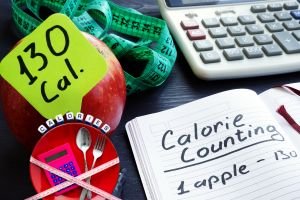
One-bowl meals are inherently modular, which makes them easier to tailor to specific nutritional goals:
- Weight loss: Focus on vegetables, lean protein, and smaller portions of grains and fats
- Muscle gain: Add extra protein like chicken, tofu, or eggs
- Energy boost: Include complex carbs and healthy fats for sustained stamina
Example: Adjusting your portion of grains, protein, and vegetables in a bowl can meet personal health and fitness goals without complicated meal plans.
How to Build the Perfect One-Bowl Meal
Creating a one-bowl meal that is both nutritionally balanced and delicious requires careful consideration of the different components that make up a healthy plate. The beauty of one-bowl meals is that they are versatile and customizable, allowing you to mix flavors, textures, and nutrients according to your taste, dietary preferences, and energy needs. Here’s a detailed, step-by-step guide:
Step 1: Choose a Base
The base of your bowl provides complex carbohydrates or greens, which serve as the foundation for energy and fiber.
Options:
- Whole grains: quinoa, brown rice, bulgur, millet, farro, couscous
- Leafy greens: spinach, kale, arugula, romaine lettuce, mixed greens
- Vegetable noodles or spiralized veggies: zucchini noodles, carrot ribbons, or sweet potato noodles
Benefits:
- Supplies sustained energy for the body and brain
- Adds fiber to promote healthy digestion
- Provides a nutrient-rich foundation to support other ingredients
Pro Tip: You can mix grains and greens in the same bowl for added texture, color, and nutrients.
Step 2: Add Lean Protein
Protein is essential for muscle repair, satiety, and overall metabolic health. Including a sufficient portion of protein in your bowl ensures that the meal keeps you full and supports your body’s daily needs.
Animal-Based Options:
- Grilled or baked chicken breast
- Boiled or poached eggs
- Salmon, tuna, or other fatty fish
- Shrimp or lean beef
Plant-Based Options:
- Tofu, tempeh, or seitan
- Legumes: lentils, chickpeas, black beans
- Edamame or protein-rich grains like quinoa
Benefits:
- Keeps you satiated and prevents unnecessary snacking
- Supports muscle growth and repair
- Balances blood sugar and energy levels
Pro Tip: Aim for about one-quarter of your bowl to be protein. For plant-based meals, combine protein sources (e.g., lentils + quinoa) for a complete amino acid profile.
Step 3: Pile on Vegetables
Vegetables are the nutrient powerhouse of the bowl. They provide vitamins, minerals, antioxidants, and fiber to support immune function, digestion, and overall wellness.
Examples:
- Leafy greens: kale, spinach, arugula
- Cruciferous veggies: broccoli, cauliflower, cabbage
- Colorful vegetables: bell peppers, carrots, beets, cherry tomatoes
- Other options: zucchini, cucumber, mushrooms, roasted pumpkin
Benefits:
- Supports digestion and gut health
- Fights inflammation and oxidative stress
- Adds volume and color, making the bowl more satisfying
Pro Tip: Fill at least half your bowl with vegetables, and aim for a variety of colors to maximize nutrient diversity.
Step 4: Add Healthy Fats
Healthy fats are essential for brain function, hormone balance, and nutrient absorption. They also add flavor and creaminess to your bowl.
Examples:
- Avocado slices or guacamole
- Nuts: almonds, walnuts, cashews
- Seeds: chia seeds, pumpkin seeds, sunflower seeds, flaxseeds
- Oils: extra virgin olive oil, sesame oil, flaxseed oil
- Fatty fish: salmon, mackerel, sardines
Benefits:
- Supports cognitive function and mental clarity
- Helps absorb fat-soluble vitamins like A, D, E, and K
- Promotes satiety and reduces post-meal cravings
Pro Tip: Use a small portion of fats to enhance nutrition without overloading calories. A tablespoon of olive oil or a quarter of an avocado is enough.
Step 5: Flavor Without Compromising Health
A healthy bowl should taste delicious and satisfying. Natural flavor enhancers prevent the need for processed sauces, excessive salt, or artificial additives.
Examples:
- Fresh herbs: cilantro, parsley, basil, mint
- Citrus: lemon or lime juice for a zesty kick
- Spices: turmeric, paprika, cumin, black pepper, garlic powder
- Yogurt-based or tahini dressings
Benefits:
- Makes healthy eating enjoyable and sustainable
- Adds antioxidants and anti-inflammatory compounds
- Encourages creativity and experimentation with global flavors
Pro Tip: Combine 2–3 spices or herbs with a simple dressing to elevate flavor without compromising nutrition.
Step 6: Optional Superfood Boosters
To take your one-bowl meal to the next level, consider adding superfoods that pack extra nutrients and health benefits.
Examples:
- Chia seeds or flaxseeds for omega-3s
- Hemp seeds for complete plant-based protein
- Spirulina or matcha powder for antioxidants
- Goji berries or pomegranate seeds for added vitamins and natural sweetness
Benefits:
- Enhances antioxidant intake
- Provides additional healthy fats or protein
- Adds texture, color, and flavor variety
Step 7: Balance and Portion Control
A perfect bowl is visually balanced and nutrient-dense.
Suggested proportions:
- 50% vegetables for vitamins, minerals, and fiber
- 25% protein for satiety and muscle support
- 25% complex carbs for energy
- Small portion of healthy fats to enhance flavor and nutrient absorption
Tip: Use your hands or a small bowl to visually gauge portions if you’re not counting calories. The plate should look colorful and abundant, not overcrowded.
Sample One-Bowl Meals: Endless Energy in Every Bite
One-bowl meals are incredibly versatile, allowing you to mix and match ingredients to suit your taste, dietary preferences, and nutritional goals. Here are some fully detailed examples that are balanced, flavorful, and energizing, along with explanations of why they work:
1. Mediterranean Power Bowl

Ingredients:
- Base: Quinoa
- Protein: Grilled chicken breast
- Vegetables: Cherry tomatoes, cucumber, red bell peppers, spinach
- Healthy Fats: Feta cheese, olive oil
- Flavor Boosters: Lemon juice, fresh parsley, black pepper
Why it works:
This bowl is rich in protein and fiber, keeping you full and satisfied. Quinoa provides complex carbs and a complete amino acid profile, while vegetables add antioxidants and vitamins. Olive oil and feta provide healthy fats, supporting heart and brain health. Lemon juice and fresh herbs add flavor without extra calories.
Bonus tip: Add olives or roasted chickpeas for extra texture and flavor.
2. Asian-Inspired Energy Bowl

Ingredients:
- Base: Brown rice or cauliflower rice
- Protein: Tofu or tempeh
- Vegetables: Steamed broccoli, shredded carrots, edamame, bell peppers
- Healthy Fats: Sesame seeds, drizzle of sesame oil
- Flavor Boosters: Soy-ginger dressing, garlic, green onions, a sprinkle of chili flakes
Why it works:
This bowl combines plant-based protein with fiber-rich carbs to provide steady energy. Vegetables add vitamins, minerals, and antioxidants, while sesame seeds supply healthy fats and minerals like magnesium. The ginger-soy dressing enhances flavor and offers anti-inflammatory properties.
Bonus tip: Top with a few cashews or sliced avocado for creaminess and extra nutrition.
3. Protein-Packed Power Bowl
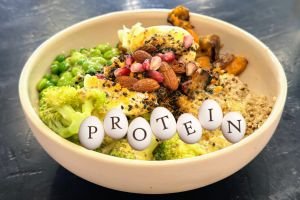
Ingredients:
- Base: Mixed greens and roasted sweet potatoes
- Protein: Boiled eggs and roasted chickpeas
- Vegetables: Spinach, zucchini, cherry tomatoes
- Healthy Fats: Avocado slices, pumpkin seeds
- Flavor Boosters: Tahini dressing, lemon, black pepper
Why it works:
This bowl is perfect for sustained energy, especially post-workout. Eggs and chickpeas provide complete protein, while sweet potatoes offer slow-digesting carbohydrates for steady blood sugar. The addition of avocado and seeds gives healthy fats for satiety and nutrient absorption. Greens add fiber and essential vitamins.
Bonus tip: Sprinkle a pinch of smoked paprika or sumac for an extra layer of flavor.
4. Vegan Rainbow Bowl

Ingredients:
- Base: Millet or quinoa
- Protein: Black beans or lentils
- Vegetables: Roasted bell peppers, shredded carrots, kale, beets
- Healthy Fats: Tahini or almond butter drizzle, sunflower seeds
- Flavor Boosters: Lemon-tahini dressing, fresh herbs
Why it works:
This plant-based bowl is high in fiber, antioxidants, and complete plant proteins. The variety of colorful vegetables provides diverse micronutrients, while the seeds and nut butter add healthy fats to improve satiety and support brain health.
Bonus tip: Add pomegranate seeds or goji berries for natural sweetness and extra antioxidants.
5. Breakfast One-Bowl: Energizing Start

Ingredients:
- Base: Rolled oats or quinoa flakes
- Protein: Greek yogurt or plant-based yogurt
- Fruits: Berries, banana slices, or apple chunks
- Healthy Fats: Chia seeds, flaxseeds, almonds
- Flavor Boosters: Cinnamon, vanilla extract, drizzle of honey
Why it works:
This bowl provides a balanced breakfast with complex carbs, protein, fiber, and healthy fats to kickstart your day. Oats stabilize blood sugar, yogurt provides protein and probiotics for gut health, and berries add antioxidants. Seeds and nuts supply healthy fats and improve satiety.
Bonus tip: Toast the nuts lightly for added flavor and crunch.
Tips for Creating Your Own One-Bowl Meals:
- Mix Colors and Textures: Aim for at least three different colors to maximize nutrient diversity and visual appeal.
- Balance Your Plate: Roughly half vegetables, one-quarter protein, one-quarter complex carbs, with a small portion of healthy fats.
- Flavor Creatively: Use herbs, spices, citrus, and natural dressings to make meals enjoyable without extra calories or artificial additives.
- Batch Prep Ingredients: Cook grains, proteins, and vegetables in advance to make assembling bowls fast and convenient.
- Personalize: Adapt ingredients based on dietary preferences—vegan, gluten-free, keto, high-protein, or low-carb.
Conclusion
One-bowl meals are more than just convenient—they’re a practical, balanced, and versatile way to eat well every day. By combining complex carbs, lean protein, colorful vegetables, and healthy fats, you provide your body with sustained energy, essential nutrients, and lasting satiety.
These meals encourage mindful eating, simplify meal prep, and make healthy eating enjoyable and stress-free. Whether for breakfast, lunch, or dinner, one-bowl meals can be easily customized to suit your taste, lifestyle, or dietary needs.
Incorporating them into your routine helps boost energy, support digestion, manage weight, and promote overall wellness. Ultimately, one-bowl meals are a simple, sustainable way to fuel your body, enjoy delicious food, and maintain vitality every day.
FAQs
1. What exactly is a one-bowl meal?
A one-bowl meal combines balanced portions of complex carbs, lean proteins, colorful vegetables, and healthy fats in a single dish—making it a complete, nutritious meal.
2. Why are one-bowl meals considered healthy?
They deliver all essential nutrients—carbohydrates, protein, fiber, vitamins, and healthy fats—promoting steady energy, better digestion, and improved satiety.
3. Can one-bowl meals help with weight management?
Yes. Their portion-controlled design and high fiber content keep you full longer, reducing overeating and unnecessary snacking.
4. Are one-bowl meals suitable for vegetarians or vegans?
Absolutely! You can build plant-based bowls using lentils, tofu, quinoa, beans, nuts, and seeds for a wholesome vegan or vegetarian option.
5. How can I make my one-bowl meal more flavorful without unhealthy sauces?
Use herbs, spices, citrus juice, and yogurt- or tahini-based dressings to add natural flavor without relying on processed condiments.
6. Can one-bowl meals provide enough protein for fitness enthusiasts?
Yes. Include high-protein sources like chicken, fish, eggs, tofu, tempeh, lentils, or Greek yogurt to meet your muscle recovery needs.
7. What is the ideal portion ratio in a one-bowl meal?
A balanced bowl should include 50% vegetables, 25% lean protein, 25% complex carbs, and a small portion of healthy fats.
8. Can I prepare one-bowl meals in advance for the week?
Definitely! Cook your grains, proteins, and vegetables in batches and store them separately. Assemble your bowls fresh for convenience.
9. Are one-bowl meals good for digestion?
Yes. Their high fiber and nutrient-rich ingredients support gut health, regular bowel movements, and balanced digestion.
10. What are some examples of quick and healthy one-bowl combinations?
Try quinoa with grilled chicken and veggies, brown rice with tofu and sesame seeds, or oats with yogurt, berries, and chia seeds.