

When people think about weight loss or healthy eating, the first thing they usually focus on is cutting calories or avoiding carbohydrates. Protein often becomes an afterthought. But in reality, protein should be the foundation of your diet, especially if you want to protect your muscles and keep your metabolism active.
Many people unknowingly lose muscle while dieting, aging, or leading a sedentary lifestyle. This muscle loss doesn’t just affect strength—it slows down metabolism, increases fat gain, and makes weight maintenance harder over time. The good news? Prioritizing protein can help prevent this.
Let’s understand why protein matters, how muscle loss happens, and how simple food choices can protect both your body and metabolism.
What Is Protein and Why Does Your Body Need It?

Protein isn’t just food—it’s the foundation of muscle, metabolism, and recovery.
Protein is a macronutrient made of amino acids, often called the building blocks of the body. Your muscles, skin, hair, enzymes, hormones, and immune system all depend on protein.
Unlike carbohydrates and fats, protein is not stored in large amounts in the body. This means you need a regular daily supply to support repair, recovery, and muscle maintenance.
Protein’s main roles include:
- Building and repairing muscle tissue
- Supporting metabolic rate
- Preserving lean body mass
- Keeping you full and reducing cravings
Understanding Muscle Loss (Sarcopenia)

Muscle loss isn’t sudden—it slowly builds when protein intake and movement are ignored.
Muscle loss doesn’t happen overnight. It happens slowly and silently due to:
- Low protein intake
- Crash dieting or extreme calorie restriction
- Aging
- Sedentary lifestyle
- Illness or prolonged inactivity
This gradual loss of muscle is known as sarcopenia, and it can begin as early as your 30s if protein intake and physical activity are inadequate.
Less muscle means:
- Lower strength
- Reduced stamina
- Slower metabolism
- Higher fat storage
- Increased risk of injuries and falls
The Connection Between Muscle and Metabolism
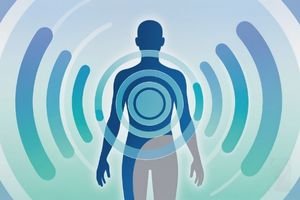
When muscle mass drops, metabolism slows and fat gain becomes easier.
Muscle is metabolically active tissue. This means it burns calories even at rest. The more muscle mass you have, the higher your resting metabolic rate.
When muscle is lost:
- Your body burns fewer calories
- Weight loss becomes harder
- Fat gain becomes easier
- Energy levels drop
This is why many people feel that their metabolism has “slowed down” after repeated dieting. In most cases, muscle loss—not age—is the real culprit.
Why Protein Is the Key to Preventing Metabolic Slowdown

Adequate protein intake prevents muscle breakdown—the main reason metabolism slows down.
Protein directly protects muscle mass. When you eat enough protein:
- Muscle breakdown reduces
- Muscle repair and growth improve
- Metabolism stays more active
- Fat loss happens without excessive muscle loss
Protein also has a higher thermic effect compared to carbs and fats. This means your body uses more energy to digest protein, slightly increasing calorie burn.
Protein Prioritization: What Does It Really Mean?

Making protein the foundation of your meals helps preserve muscle and control appetite.
Protein prioritization doesn’t mean eating only protein or consuming supplements all day. It means intentionally including adequate protein in every meal, rather than treating it as optional.
Instead of asking:
“What should I remove from my plate?”
Ask:
“Where is my protein source?”
How Much Protein Do You Really Need?
Protein needs vary based on:
- Age
- Activity level
- Health goals
- Muscle mass
A general guideline for most adults is:
- 0.8–1.2 g per kg body weight for maintenance
- 1.2–1.6 g per kg body weight for fat loss or muscle preservation
- Higher needs for athletes, older adults, or people recovering from illness
Spreading protein intake evenly throughout the day is more effective than consuming it all at once.
Common Mistakes That Lead to Muscle Loss
1. Skipping Protein at Breakfast
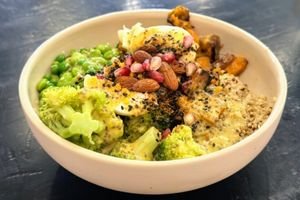
Protein at breakfast helps stabilize energy, appetite, and muscle health all day long.
Many people start the day with tea, toast, or biscuits—low protein, high carb meals that don’t support muscle health.
2. Relying Only on Carbohydrates

A carb-only diet may feel filling short-term but weakens muscle and metabolism long-term.
Excess carbs without protein lead to energy crashes and muscle breakdown.
3. Extreme Dieting

When food is too restricted, muscle becomes the body’s emergency fuel.
Very low-calorie diets force the body to use muscle as fuel.
4. Not Strength Training

A sedentary routine leads to gradual muscle loss and a slower metabolism.
Protein works best when combined with resistance or strength-based activity.
Best Protein Sources for Daily Meals
Protein can come from both vegetarian and non-vegetarian sources:

Balanced meals with natural protein sources are key to long-term strength and health.
Vegetarian options:
- Lentils and dals
- Paneer and curd
- Soy products
- Nuts and seeds
- Whole grains combined properly
Non-vegetarian options:
- Eggs
- Fish
- Chicken
- Lean meats
The key is consistency and variety, not perfection.
Protein and Appetite Control
Protein is the most satiating macronutrient. It:
- Reduces hunger hormones
- Controls cravings
- Prevents overeating
- Supports long-term weight maintenance
This makes protein especially important for people trying to lose fat without losing muscle.
Protein Needs Increase With Age
As we age, our body becomes less efficient at using protein. Older adults often require slightly higher protein intake to maintain muscle mass.
Ignoring protein in later years can accelerate muscle loss, reduce independence, and increase metabolic decline.
Simple Ways to Prioritize Protein Daily
- Add a protein source to every meal
- Start your day with a protein-rich breakfast
- Include protein in snacks
- Avoid long gaps between meals
- Pair protein with strength exercises
Conclusion
Protein is not just for bodybuilders or athletes. It is essential for every individual who wants to stay strong, energetic, and metabolically healthy.
By prioritizing protein, you protect your muscles, prevent metabolic slowdown, and create a body that ages better, responds better to exercise, and maintains weight more easily.
Remember, you don’t lose metabolism because you age—you lose it because you lose muscle. Protein is your strongest nutritional ally in preventing that.
FAQs
1. Why is protein important for preventing muscle loss?
Protein provides amino acids that repair and maintain muscle tissue. Without enough protein, the body starts breaking down muscle, especially during weight loss, aging, or illness.
2. Can I lose muscle even if I’m trying to lose fat?
Yes. If calorie intake is too low or protein is inadequate, the body may use muscle for energy along with fat, leading to muscle loss and metabolic slowdown.
3. How does muscle loss slow down metabolism?
Muscle burns more calories at rest than fat. When muscle mass decreases, your resting metabolic rate drops, meaning your body burns fewer calories throughout the day.
4. Is protein only important for people who exercise?
No. Everyone needs protein for daily muscle maintenance, immune function, and metabolism—even people with a sedentary lifestyle.
5. How much protein should I eat in a day?
Most adults need between 0.8–1.6 grams per kg of body weight, depending on activity level, age, and health goals. Needs may increase during fat loss or aging.
6. Is it better to spread protein intake across the day?
Yes. Consuming protein evenly across meals improves muscle protein synthesis and helps prevent muscle breakdown more effectively than eating it all at once.
7. Can vegetarians get enough protein to prevent muscle loss?
Absolutely. Lentils, dals, paneer, curd, soy products, nuts, seeds, and whole grains can meet protein needs when consumed in the right combinations and portions.
8. Does aging increase protein requirements?
Yes. As we age, the body becomes less efficient at using protein, so slightly higher intake helps preserve muscle mass and prevent weakness.
9. Do I need protein supplements?
Not always. Most people can meet their protein needs through whole foods. Supplements may be useful when food intake is inadequate or during specific medical or fitness needs.
10. What is the biggest mistake people make with protein intake?
The most common mistake is prioritizing calories or carbs while neglecting protein, especially at breakfast and snacks, leading to gradual muscle loss over time.