


Canned foods have become a kitchen essential for millions of people worldwide. Whether it’s beans for salads, corn for soups, or tuna for sandwiches, canned goods make cooking faster, easier, and more affordable. They offer convenience, long shelf life, and nutritional value — especially when fresh produce isn’t always available.
However, what many don’t realize is that along with the nutrients, canned foods often come with something less desirable — a high amount of sodium. Salt is widely used in the canning process to preserve texture, flavor, and shelf stability. While this helps food last longer, it also adds a surprising amount of hidden sodium to your meals.
For someone trying to manage blood pressure, heart health, or fluid balance, this extra salt can quietly add up. A single serving of canned soup, beans, or vegetables can contribute 20–40% of your daily sodium intake without you even noticing. Over time, this can increase your risk of hypertension, kidney stress, and cardiovascular disease.
But here’s the good news — you don’t have to give up the convenience of canned foods. A simple kitchen habit can make a real difference: rinsing canned foods under water. Research has shown that rinsing can remove 30–40% of the excess sodium, helping you enjoy all the benefits of canned foods without the drawbacks.
In this article, we’ll explore why rinsing canned foods is such an effective health practice, how to do it correctly, and which foods benefit most. It’s a small step that delivers big results — especially for your heart, kidneys, and long-term wellness.
Why Sodium in Canned Foods Is a Concern
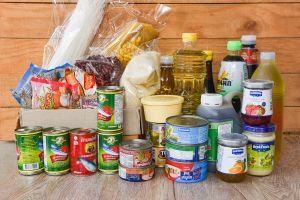
“Canned food lasts long because the sodium stays strong—check the label before the salt sneaks in.”
Sodium plays an important role in our bodies — it helps maintain fluid balance, supports nerve function, and aids in muscle contractions. However, like most things, too much of it can do more harm than good. And when it comes to canned foods, that’s where the problem begins.
To preserve food for long periods and prevent bacterial growth, manufacturers often add large amounts of salt (sodium chloride) during the canning process. This salt acts as both a preservative and a flavor enhancer, keeping the contents safe and tasty for months — sometimes even years. But the trade-off is that these foods often contain much more sodium than fresh or frozen versions.
Hidden Sodium Adds Up Fast
Even if you don’t sprinkle much salt on your meals, you might still be consuming excess sodium from processed foods like soups, sauces, canned beans, or vegetables. These sources are often overlooked but contribute significantly to daily intake.
For example:
- 1 cup of canned soup can contain up to 800 mg of sodium — nearly one-third of your daily limit.
- 1 cup of canned beans may have 400–500 mg of sodium.
- Even seemingly simple items like canned corn or peas can contain 200–300 mg per serving.
Considering that the World Health Organization (WHO) and American Heart Association (AHA) recommend no more than 2,300 mg of sodium per day (and ideally under 1,500 mg for heart health), these numbers can quickly push you over the limit — especially if you eat multiple processed items in one day.
The Health Impact of Excess Sodium
Consuming too much sodium consistently doesn’t just make you thirsty — it affects nearly every major system in your body. Here’s how:
- Raises Blood Pressure:
Sodium pulls water into the bloodstream, increasing blood volume. This puts more pressure on artery walls, raising blood pressure levels — a major risk factor for heart attack and stroke. - Strains the Kidneys:
Your kidneys work hard to flush out extra sodium. When you consume too much, they struggle to maintain balance, leading to fluid retention, swelling, or long-term kidney damage. - Causes Water Retention and Bloating:
Too much salt traps water in tissues, causing puffiness, bloating, and a feeling of heaviness — common complaints among those who eat processed foods regularly. - Increases Risk of Chronic Diseases:
High sodium intake is linked to cardiovascular disease, osteoporosis (due to calcium loss), and stomach cancer. Over time, these risks compound silently.
The Everyday Sodium Trap
The real challenge is that sodium hides in foods we don’t consider “salty.” You might skip table salt but still consume large amounts through:
- Canned soups, sauces, and vegetables
- Packaged snacks and breads
- Ready-to-eat meals or instant noodles
- Salad dressings and condiments
That’s why even people who “don’t eat much salt” often exceed the recommended daily intake without realizing it.
The Good News: A Simple Fix
The easiest way to lower your sodium intake from canned foods is to drain and rinse them thoroughly. Research has shown that this one simple habit can reduce sodium content by up to 40%. It doesn’t affect taste, texture, or nutritional quality — just removes the unnecessary salt.
By making this small change, you can continue enjoying the convenience and nutrition of canned foods while protecting your heart, kidneys, and long-term health.
Which Canned Foods Benefit Most from Rinsing?
Not every canned food contains the same amount of sodium — but for many common pantry staples, the numbers can be surprisingly high. The good news is that rinsing certain canned foods can significantly reduce their sodium content without sacrificing flavor, texture, or nutrition.
Below are the top types of canned foods that benefit the most from rinsing — and why you should make it a regular kitchen habit.
1. Canned Beans and Legumes
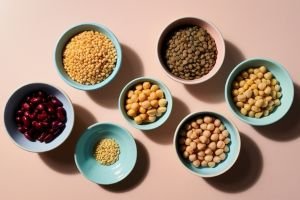
“Canned beans are convenient, but their sodium can be sneaky—rinse to keep the goodness, not the salt.”
Canned beans are one of the most versatile and nutrient-rich ingredients you can keep in your kitchen. They’re packed with fiber, protein, and minerals like iron and magnesium — but also come with a salty downside.
To preserve their firmness and flavor, canned beans such as kidney beans, chickpeas, black beans, lentils, and pinto beans are often stored in a sodium-rich brine. This liquid keeps them shelf-stable but can contain 400–500 mg of sodium per serving.
👉 Rinsing results:
Studies have found that rinsing canned beans under cold water for 1–2 minutes can remove up to 40% of their sodium content. It also washes away starches and oligosaccharides that can cause gas or bloating, making them easier to digest.
Pro tip: Drain the brine completely and rinse until the water runs clear. For soups or salads, you’ll still retain great texture and flavor with much less salt.
2. Canned Vegetables
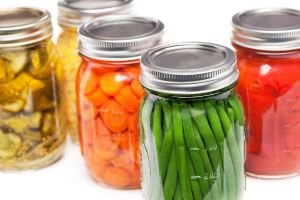
“Canned veggies stay fresh for months, but the extra sodium sneaks in fast—rinse to keep them real.”
Canned vegetables like corn, peas, carrots, mushrooms, spinach, and green beans are convenient and packed with vitamins. However, many brands add salt as a preservative and flavor enhancer, often making these “healthy” options unexpectedly salty.
For example, one cup of canned corn can contain 300–400 mg of sodium, compared to less than 10 mg in fresh corn.
👉 Rinsing results:
Rinsing canned vegetables can remove up to 30–40% of sodium — and helps bring out their natural taste. The texture remains intact, especially when used in stir-fries, curries, or side dishes.
Pro tip: If possible, choose “no-salt-added” or “low-sodium” versions, then rinse to cut sodium even further.
3. Canned Fish (Tuna, Salmon, Sardines)

“Canned fish is nutrient-rich, but the sodium swims in too—drain and rinse to keep it heart-friendly.”
Canned fish is an excellent source of omega-3 fatty acids, protein, and essential minerals — a great way to include seafood in your diet affordably. But depending on the type you buy, sodium levels can vary dramatically.
- Tuna packed in brine can contain up to 250–350 mg of sodium per serving.
- Salmon or sardines in salted water or sauce can be even higher.
👉 Rinsing results:
Draining and rinsing canned fish packed in brine or saltwater can reduce sodium content by 30–40%. This simple step also helps remove the overly salty taste and makes the fish more versatile for recipes like sandwiches, salads, or wraps.
Pro tip: For even better results, buy fish packed in water instead of brine — it’s lower in sodium and retains natural flavor.
4. Canned Tomatoes and Tomato Products
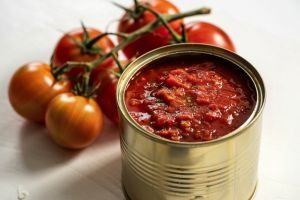
“Canned tomatoes add flavour, but they often pour in extra sodium—choose low-salt to keep it healthy.”
Canned tomatoes, tomato paste, and sauces are kitchen staples used in soups, pasta, and curries. However, many versions contain added salt for flavor stabilization. A single serving of canned tomato sauce can have 200–400 mg of sodium.
👉 Rinsing results:
Whole or diced tomatoes can be drained and lightly rinsed to reduce excess sodium before cooking. However, for pureed or crushed tomatoes, it’s better to opt for “no salt added” varieties since rinsing isn’t practical for sauces.
Pro tip: Use fresh herbs, garlic, or spices to boost flavor naturally instead of relying on salty sauces.
5. Canned Mixed Meals or Soups
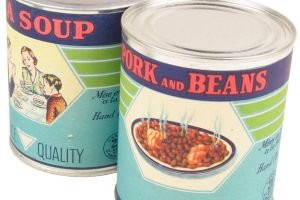
“Canned soups save time, but their sodium can stack up fast—check the label before the bowl.”
Canned soups, baked beans, and ready-to-eat mixed dishes often rank among the highest sodium foods on the shelf. One can may contain 800–1,200 mg of sodium — over half your daily recommended intake!
While these foods can’t be fully rinsed, you can still drain excess liquid or dilute the soup with water or unsalted broth during cooking to reduce sodium per serving.
Pro tip: Always check the label — many brands now offer “low-sodium” or “heart-healthy” versions that make a big difference.
6. Canned Meats and Poultry

“Canned meats may be handy, but their sodium hits hard—go easy or rinse to reduce the load.”
Canned chicken, ham, or luncheon meats are high in protein but often contain heavy brines or sodium-based preservatives. A small serving can easily exceed 500–800 mg of sodium.
👉 Rinsing results:
Draining and rinsing these meats under running water can help remove surface salt and improve taste. Pairing them with fresh vegetables or whole grains balances the meal and prevents excessive salt intake.
Extra Benefits of Rinsing
Rinsing canned foods does much more than just wash away salt — it actually improves the taste, nutrition, and digestibility of your meals. This one-minute step can transform a processed product into something fresher and healthier.
- Improves flavor: Canned beans and vegetables often have a briny, metallic taste from preservation liquids. Rinsing removes this, bringing out a cleaner, more natural flavor.
- Reduces preservatives: The canning liquid may contain sodium-based preservatives or trace metallic residues. Rinsing helps minimize these and makes your food feel lighter and fresher.
- Eases digestion: Legumes such as beans and chickpeas contain gas-causing starches and sugars. Rinsing them removes some of these compounds, helping reduce bloating and discomfort.
- Protects heart and kidney health: Lowering sodium intake through rinsing helps maintain normal blood pressure and reduces stress on the kidneys.
- Improves texture: Rinsed foods retain a pleasant bite and don’t taste overly salty, allowing you to season dishes your own way with herbs or spices.
A simple rinse, in other words, can make your canned food cleaner, tastier, and much easier on your system.
How to Rinse Canned Foods Properly
Rinsing is quick and requires only a colander or strainer. Here’s how to do it right:
- Drain completely: Open the can and pour the contents into a fine-mesh strainer or colander. Let all the liquid drain out.
- Rinse under cold running water: Hold the strainer under tap water for about 1–2 minutes. Gently stir or shake the food so every piece is washed. Continue until the water runs clear.
- Drain again: Allow the food to sit for a minute to remove excess water before adding it to your recipe.
- Season smartly: Instead of adding salt back in, enhance flavor with lemon juice, herbs, pepper, garlic, or olive oil.
That’s it — no fancy tools, no extra cost, just a healthier habit that pays off daily.
Smart Shopping Tips
While rinsing helps, choosing the right canned foods at the store makes sodium control even easier. Keep these tips in mind when shopping:
- Look for “No Salt Added” or “Low Sodium” labels. These versions contain 25–50% less sodium than standard cans and taste just as good once seasoned.
- Check the nutrition label carefully. Compare brands and choose those with under 140 mg sodium per serving whenever possible.
- Pick foods canned in water or natural juice, not brine or syrup. This applies especially to canned fish and fruits.
- Avoid “flavored” or “seasoned” options. They often contain hidden salt, sugar, and additives.
- Mix with fresh produce. Combine rinsed canned beans or corn with fresh vegetables to boost fiber and nutrients while balancing sodium levels.
- Choose clean brands. BPA-free cans and brands that clearly list ingredients are generally safer and more health-conscious.
Smart shopping paired with rinsing ensures you keep the convenience of canned foods while protecting your heart, kidneys, and overall health.
Conclusion
Canned foods are a modern-day kitchen essential — practical, affordable, and nutrient-packed. But hidden sodium can quietly undermine their health value. The good news is, with one simple habit — rinsing before eating or cooking — you can reduce sodium by up to 40% without losing flavor, texture, or nutrients.
This easy step supports heart health, blood pressure regulation, and kidney function, making your everyday meals genuinely healthier. Combined with smart shopping — like choosing “low-sodium” or “no-salt-added” options — it’s one of the simplest yet most powerful ways to protect your long-term wellness.
💧 Remember: You don’t need to give up convenience to stay healthy — just rinse smarter, season naturally, and eat mindfully. Your heart will thank you with every meal.
FAQs
1. Does rinsing canned food really reduce sodium?
Yes! Rinsing canned beans, vegetables, and fish under cold water for 1–2 minutes can reduce sodium by 30–40%, depending on the food type.
2. Will rinsing remove important nutrients?
No, most vitamins, minerals, and fiber remain intact. Rinsing only removes the brine or salty liquid surrounding the food.
3. Does rinsing affect the taste of canned food?
Yes — it improves it! Rinsing removes the metallic or overly salty flavor, allowing the natural taste of the food to shine through.
4. Can I rinse all types of canned foods?
You can rinse most — especially beans, vegetables, and fish. For soups or sauces, it’s better to choose low-sodium versions or dilute them with water or fresh ingredients.
5. Is rinsing necessary if I buy “low-sodium” canned food?
It’s still a good idea. Even low-sodium options may contain 100–150 mg of sodium per serving. Rinsing can further reduce that number.
6. Does rinsing canned fruit help?
Yes, if the fruit is packed in syrup. Rinsing removes excess sugar and calories, making it a healthier choice.
7. Can I rinse canned tuna or salmon?
Absolutely. Rinsing fish packed in brine or salted water helps lower sodium and gives a fresher taste. For best results, buy fish packed in water instead.
8. How long should I rinse canned food?
Rinse for at least 60–90 seconds under cold running water, stirring or tossing to ensure all surfaces are clean.
9. Does rinsing reduce bloating?
Yes. Especially for beans and legumes, rinsing helps remove compounds that can cause gas or digestive discomfort.
10. What’s the healthiest way to flavor rinsed foods?
Use herbs, lemon juice, garlic, spices, or olive oil instead of salt. These natural seasonings enhance flavor without raising sodium levels.