
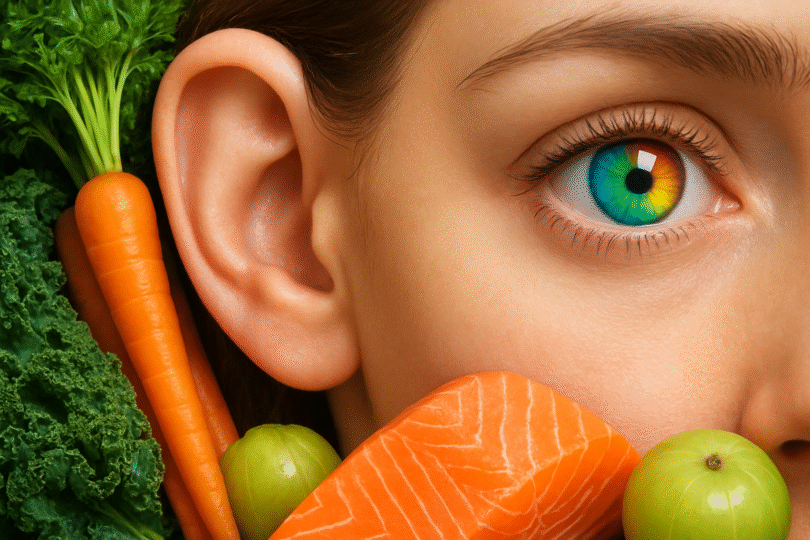

When we think of nutrition, most of us focus on energy, weight, or skin glow. Rarely do we consider the silent yet powerful organs that shape how we experience the world—our eyes and ears. From the way we admire colors in nature to how we listen to music or conversations, these senses allow us to stay connected, learn, and enjoy life.
But just like skin and hair, eyes and ears depend heavily on what we eat. No amount of eye that comes from a balanced diet. Vision clarity, night vision, hearing sharpness, and even protection against age-related decline are all linked to nutrition.
Think of your eyes and ears as cameras and microphones—if the battery and wires aren’t maintained, the quality fades. Similarly, these organs need the right fuel to perform their best and stay sharp as you age.
Why Nutrition Matters for Eyes and Ears
Good nutrition is like fuel for your eyes and ears—protecting your vision, sharpening your hearing, and keeping the world clearer and brighter for you
- Eyes: Vision is one of the most nutrient-sensitive senses. The retina, macula, and cornea rely on antioxidants, vitamins, and minerals to fight oxidative stress caused by sunlight and pollution. A poor diet can lead to problems like dry eyes, weak night vision, early cataract formation, and age-related macular degeneration (AMD), one of the leading causes of blindness.
- Ears: The ears don’t just help with hearing—they also control balance. The tiny hair cells in the inner ear are delicate and irreplaceable; once damaged, hearing loss is often permanent. Nutrients that improve blood circulation, protect nerves, and reduce inflammation play a vital role in preventing tinnitus (ringing in ears), sudden hearing decline, or age-related hearing loss.
Essential Nutrients for Eye and Ear Health
Vitamin A – The Vision Protector
Role: Vitamin A is essential for maintaining healthy corneas and clear vision. It plays a direct role in producing rhodopsin, a protein in the eyes that helps you see in low-light conditions. Deficiency can cause night blindness, dry eyes, and frequent infections.
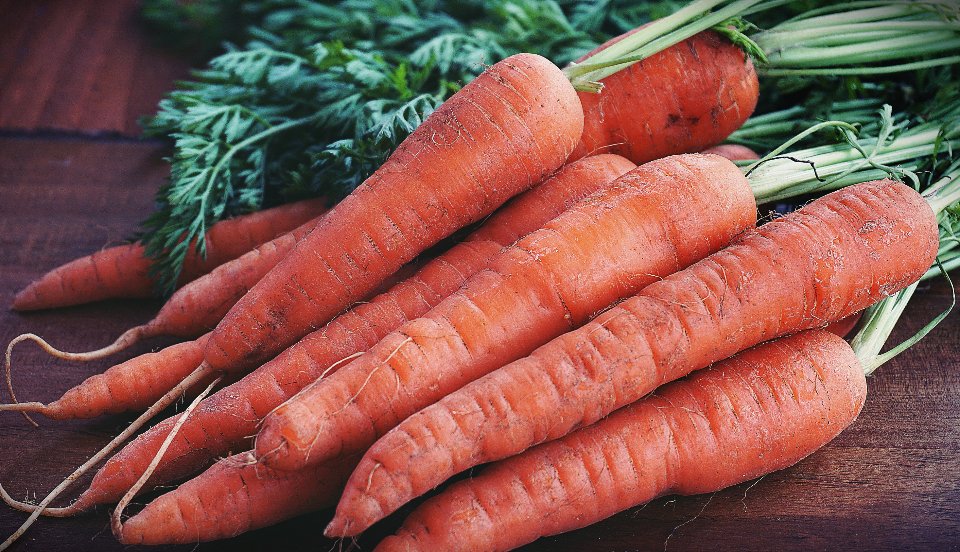
Sources: Carrots, sweet potatoes, spinach, pumpkin, mangoes
⭐ Best Source: Carrots (rich in beta-carotene)
Practical Tip: Snack on carrot sticks with hummus or add pumpkin soup to dinner.
Lutein & Zeaxanthin – The Eye’s Natural Sunglasses
Role: These carotenoids are concentrated in the retina, where they filter harmful blue light and UV rays. They reduce the risk of macular degeneration and slow cataracts, while also improving contrast sensitivity.

Sources: Kale, spinach, broccoli, corn, green peas
⭐ Best Source: Kale
Practical Tip: Blend spinach and kale into smoothies or add corn to salads.
Omega-3 Fatty Acids – Moisture & Ear Cell Protector
Role: Omega-3s keep eyes hydrated, reduce the risk of dry eye syndrome, and protect delicate hair cells in the inner ear that are crucial for sound transmission. They also support circulation and nerve health.

Sources: Fatty fish (salmon, sardines), flaxseeds, walnuts, chia seeds
⭐ Best Source: Salmon
Practical Tip: Vegetarians can sprinkle flaxseeds on parathas; non-vegetarians can include grilled salmon twice a week.
Vitamin C – The Collagen & Circulation Booster
Role: Vitamin C strengthens blood vessels in the retina and inner ear, reduces oxidative damage, lowers cataract risk, and boosts collagen for healthy tissues. It also helps maintain circulation in auditory pathways.

Sources: Amla, guava, oranges, strawberries, bell peppers
⭐ Best Source: Amla
Practical Tip: Drink amla juice in the morning or add guava to fruit bowls.
Vitamin E – The Antioxidant Shield
Role: Vitamin E protects retinal cells from oxidative stress and preserves inner ear function. Deficiency may lead to blurred vision and nerve-related hearing problems.
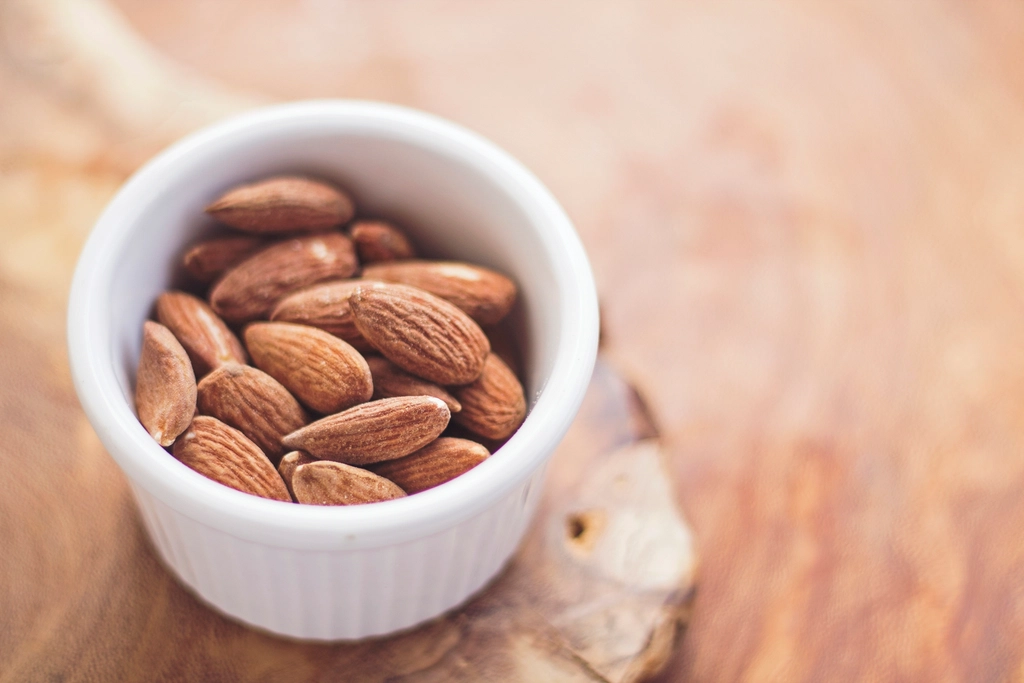
Sources: Almonds, sunflower seeds, hazelnuts, spinach
⭐ Best Source: Almonds
Practical Tip: Snack on almonds or sunflower seeds during work.
Zinc – The Vision Messenger
Role: Zinc helps vitamin A move from the liver to the retina to produce melanin, essential for night vision. It also supports immunity and helps reduce ear infections and tinnitus severity.
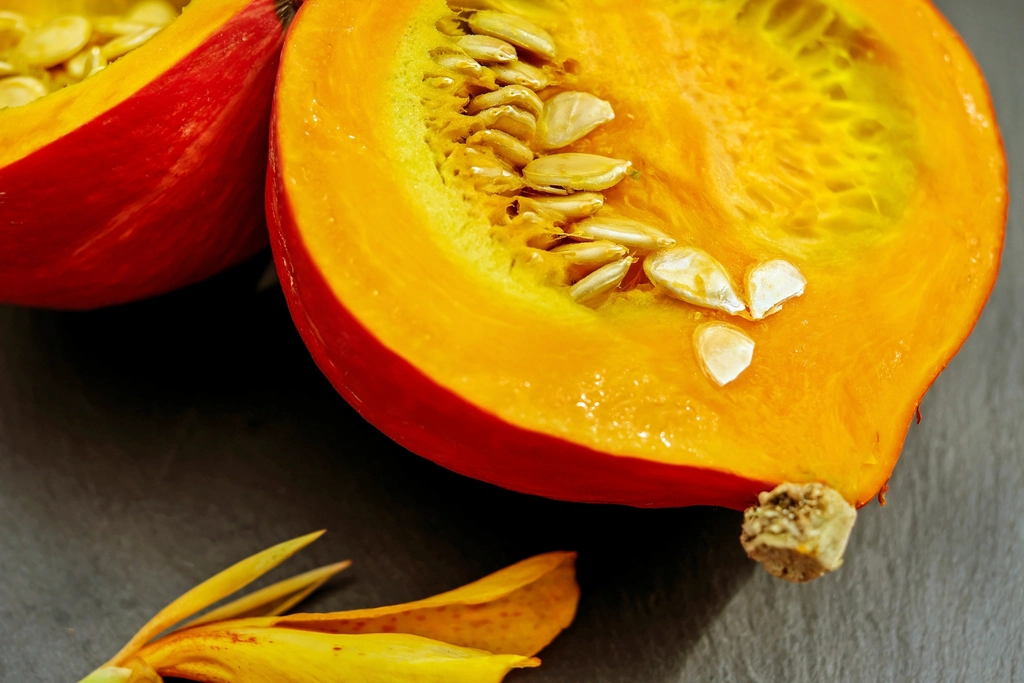
Sources: Pumpkin seeds, chickpeas, cashews, whole grains ⭐ Best Source: Pumpkin seeds
Practical Tip: Sprinkle roasted pumpkin seeds on soups or porridge.
Magnesium – For Ear Ringing & Nerve Health
Role: Magnesium improves blood flow to the auditory system, helps nerve function, and may reduce tinnitus and noise-induced hearing loss.
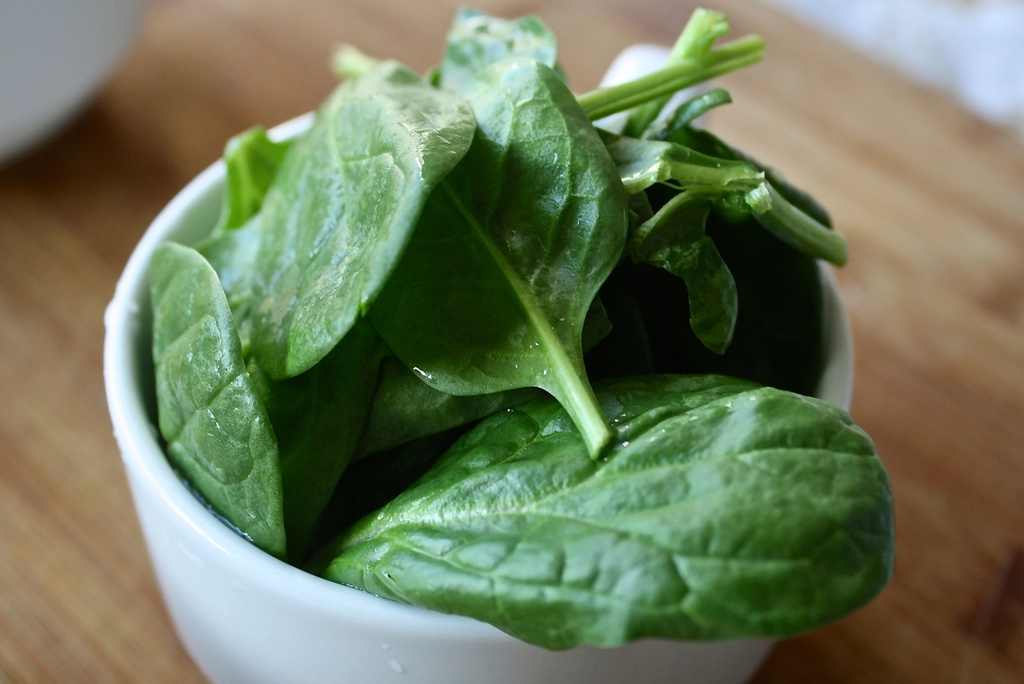
Sources: Dark chocolate, spinach, avocados, nuts, legumes
⭐ Best Source: Spinach
Practical Tip: Add spinach to chapati dough or blend into smoothies.
Water – The Silent Hero
Role: Hydration prevents dry eyes, supports tear production, and maintains fluid balance in the inner ear. Even mild dehydration can lead to eye strain, dizziness, or tinnitus.

Sources: Plain water, infused water (cucumber, mint, lemon)
⭐ Best Source: Plain filtered water
Practical Tip: Aim for 8–10 glasses daily; sip gradually instead of gulping.
Foods & Habits to Limit
- High-sugar foods: Can worsen diabetic eye complications and increase the risk of ear inflammation.
- Processed junk & trans fats: Promote oxidative stress, making eyes more vulnerable to cataracts and ears more sensitive to decline.
- Excess salt: Triggers fluid retention in the inner ear, worsening tinnitus or balance issues.
- Excessive alcohol & smoking: Accelerate oxidative damage, deplete vitamins A and C, and speed up degeneration of eye and ear tissues.
Lifestyle Habits That Support Eye & Ear Health
- Take regular screen breaks with the 20-20-20 rule: every 20 minutes, look 20 feet away for 20 seconds.
- Protect eyes with UV-blocking sunglasses when outdoors.
- Limit headphone use: keep the volume below 60% and restrict listening to under 60 minutes a day.
- Sleep at least 7–8 hours so eyes and ears can rest and repair.
- Manage stress with yoga, meditation, or deep breathing to reduce tinnitus and digital eye strain.
Conclusion: See & Hear the World Better with Nutrition
Your eyes and ears may not always demand attention until problems arise, but taking care of them through nutrition is one of the smartest long-term investments in your health. By consistently including vitamins, minerals, antioxidants, and healthy fats in your meals, you strengthen the very senses that help you enjoy life.
Remember, just like glowing skin starts in the gut, sharp vision and strong hearing also begin at the dining table. Nourish your senses today, and they will serve you well for years to come.
FAQs
Q1. Why should I care about nutrition for my eyes and ears?
Because food fuels your senses! The right nutrients keep your vision clear, your hearing sharp, and protect against early damage as you age.
Q2. What nutrient helps me see better at night?
Vitamin A is the “night vision vitamin.” Without it, driving in the dark or walking in low light can feel like a challenge. Carrots and pumpkin are your natural sources.
Q3. Can my diet really lower the risk of hearing loss?
Yes! Omega-3 fats and magnesium strengthen blood flow to the ears and safeguard the tiny hair cells responsible for hearing.
Q4. Which foods act like natural sunglasses for the eyes?
Leafy greens like spinach and kale are loaded with lutein and zeaxanthin—nutrients that filter harmful light and shield your retina.
Q5. How does water impact my eyes and ears?
Hydration isn’t just for skin! Water prevents dry eyes, maintains ear balance, and even reduces ringing in the ears.
Q6. What foods harm my vision and hearing the most?
Too much sugar, salt, alcohol, and junk food accelerate wear and tear on your eyes and ears. Think of them as the “fast-track to decline.”
Q7. How can I protect my eyes from screen time?
Follow the 20-20-20 trick: every 20 minutes, look 20 feet away for 20 seconds. It relaxes your eye muscles and cuts strain.
Q8. Do headphones cause permanent hearing damage?
They can. If the volume is too loud or listening time too long, ear cells may be damaged forever. Keep it safe with the 60/60 rule—60% volume for 60 minutes max.
Q9. Is there a snack that helps both eyes and ears?
Yes—almonds! Packed with Vitamin E, they defend against oxidative stress and keep both vision and hearing strong.
Q10. What’s one daily habit that supports both senses?
Eat colorful fruits and veggies, grab a handful of nuts, drink water often, and give yourself quality sleep. These small habits pay off big over time.