
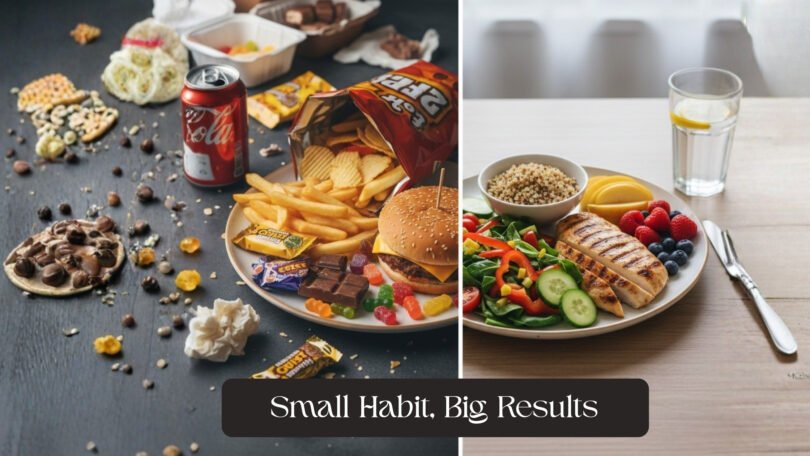

We live in a world where health advice often feels loud, overwhelming, and all-or-nothing. One day we’re told to cut carbs, the next day to avoid fats, and by the weekend we’re drowning in detox diets and unrealistic routines. In this confusing storm of information, the quiet truth often gets lost: your body doesn’t need massive changes — it needs consistent, tiny improvements. These micro-changes, when repeated daily, build the foundation for lifelong health. It’s the same principle that grows savings through daily deposits or strengthens a muscle through repeated small movements.
Our lifestyle today is fast-paced, packed with deadlines, responsibilities, and distractions that leave very little time for extreme routines. Most people fail not because they lack discipline, but because they try to change too much, too quickly. Instead, the magic lies in taking small, achievable steps that require minimal effort but deliver maximum impact over time. When you choose a fruit instead of a packaged snack, drink water instead of a sugary beverage, or walk for 10 minutes after a meal — your body responds immediately, quietly adjusting and improving from the inside out.
Small habits don’t shock your body or your mind; they gently guide you toward a healthier version of yourself. These actions are simple enough to do even on your busiest days, which means you stop depending on motivation and start relying on routine. And when a routine stays long enough, it becomes a lifestyle. That’s where long-term transformation happens — not in sudden diet overhauls, but in the quiet power of consistent daily choices. This blog dives deep into how tiny nutrition habits create big results, and why these gentle shifts are more effective than any strict diet you’ve ever tried.
Why Small Habits Work Better Than Big Changes

Most people imagine health transformation as something dramatic — switching to extreme diets, cutting out entire food groups, or following strict rules that demand discipline and sacrifice. But big changes often fail because they trigger stress and resistance. The brain sees huge changes as threats, causing you to slip back into older habits. Small habits, however, bypass this resistance. They are subtle, easy, and don’t feel like punishment.
A small habit doesn’t require emotional strain or deep decision-making. You don’t have to “prepare” for it. Because it’s easy, your brain accepts it quickly and stores it as something normal. For example, adding one fruit a day or drinking water before tea doesn’t feel overwhelming, but when repeated consistently, it compounds into big benefits. These habits also give you a sense of achievement because they are easy wins. Every time you complete a small task, your brain releases dopamine — a reward chemical — making you want to repeat the behaviour.
Another reason small habits work is that they fit seamlessly into daily routines. You don’t need to pause your life for them. You can add nuts to your breakfast, take stairs instead of the lift, or eat slowly without changing your schedule. Over weeks and months, these habits stack up like building blocks, forming a strong health foundation. Big efforts give temporary results, but small habits create a lifestyle. And lifestyles create permanent results.
The Compounding Effect of Tiny Nutrition Tweaks

The compounding effect is simple: small actions done consistently produce exponential results over time. Think of it like watering a plant. You don’t flood it with a bucket once a week; you give it a little water every day. The same goes for health. When you nourish your body with small, daily improvements, the benefits multiply. Drinking one extra glass of water improves hydration, which improves digestion, which improves skin health, which improves mood and energy — it’s a domino effect.
Most people underestimate how fast the body responds. Even a small nutritional boost — like including protein in breakfast or reducing one sugary drink a day — begins shifting your metabolism immediately. Your cells start functioning better, your gut becomes more active, and your hormones begin balancing themselves naturally. Over a month, these tiny changes add up to noticeable energy, better sleep, and fewer cravings.
Compounding also works on a psychological level. Once you succeed in maintaining a small habit, you start believing you’re capable of more. This belief encourages you to adopt another small habit… then another. Before you realize it, your entire lifestyle upgrades without any pressure. Small steps are not just easier; they are smarter because they keep your body and mind aligned with long-term health.
Tiny Daily Nutrition Tweaks That Make a Big Difference
1. Start Your Day With Hydration Instead of Caffeine

For most people, the day begins with coffee or tea — a habit deeply woven into morning routine. But your body wakes up dehydrated after 6–8 hours of sleep, and caffeine further dehydrates it. Drinking 300–500 ml of water first thing in the morning replenishes hydration levels instantly. It activates your metabolism, wakes up your digestive system, and prepares your organs for the day ahead.
Morning water intake also supports natural detoxification by flushing out toxins that accumulate overnight. It boosts bowel movement, reduces acidity, and helps regulate appetite throughout the day. Many cravings — especially for tea or sugar — are actually signs of dehydration. When you hydrate early, your body automatically demands less caffeine, sugar, and snacks.
This one tiny habit can also improve skin texture, increase oxygen flow in the body, and reduce early-morning sluggishness. You don’t have to eliminate caffeine; simply delay it by 30 minutes. Keep a bottle beside your bed, and it becomes effortless. Over time, this simple morning hydration ritual sets the tone for a more active, healthier, and more energetic day.
2. Add One Fruit a Day — Not a Full Fruit Basket

Eating fruits regularly sounds simple, yet many people skip them due to busy routines or lack of habit. But adding just one fruit a day is enough to significantly impact your health. Every fruit is packed with vitamins, minerals, antioxidants, natural sugars, and hydration — everything your body needs for daily repair.
Fruits improve digestion, support skin glow, enhance immunity, and balance gut bacteria. They are also rich in fibre, which helps regulate bowel movement and supports weight management. Even a small fruit like an apple, pear, or banana can sustain energy levels far better than processed snacks.
This habit becomes easier when you keep fruits visible — on the dining table, in your office drawer, or your bag. It takes only 30 seconds to eat a fruit, making it one of the simplest nutrition upgrades. You don’t need exotic or expensive fruits — seasonal, local fruits are always the best. Over time, this tiny addition boosts your nutrient intake, reduces cravings, and slowly becomes a natural part of your lifestyle.
3. Include Protein in Every Meal
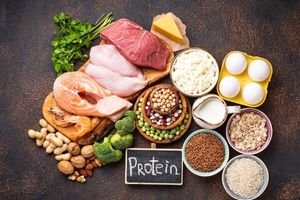
Protein is one of the most overlooked nutrients in Indian diets, which are usually carb-heavy. Without adequate protein, you experience low energy, constant hunger, cravings, weak hair, brittle nails, and slow fat loss. Adding protein to every meal stabilizes blood sugar levels, keeps you full longer, and boosts metabolism.
You don’t need protein powders or complex recipes. Simple additions like paneer in vegetables, dal and curd in lunch, sprouts in breakfast, or eggs as snacks are enough. Even nuts, seeds, chana, rajma, tofu, and milk provide excellent protein support.
When your body receives consistent protein throughout the day, your muscles stay stronger, immunity improves, and your metabolism becomes more efficient. Over time, this tiny habit enhances body composition, reduces hormonal fluctuations, and builds internal strength. It is one of the easiest but most powerful nutrition upgrades you can ever make.
4. Eat Mindfully for the First 5 Minutes

Mindful eating is not about changing what you eat, but how you eat. In today’s distracted world, meals a
re often rushed or eaten while scrolling phones, watching TV, or working. This disconnect causes overeating, poor digestion, bloating, and delayed fullness signals.
By eating mindfully for just the first 5 minutes of your meal — slow bites, proper chewing, no screens — you activate your body’s satiety mechanism. Chewing alone improves nutrient absorption and reduces indigestion. When you eat slowly, your brain gets time to register fullness, preventing overeating naturally.
This habit doesn’t require any diet change. You are simply giving your body the respect and attention it needs during meals. Over weeks, mindful eating can reduce portion sizes, improve digestion, reduce acidity, and even support weight loss. It also helps you enjoy food more, deepening your connection with your meals.
5. Use Smaller Plates for Portion Control
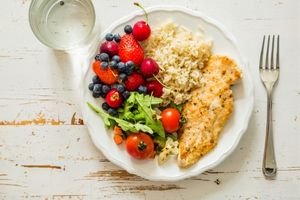
Portion size is one of the biggest reasons behind overeating — and it happens unconsciously. Research in behavioural psychology proves that we tend to finish whatever is served on our plate, regardless of hunger levels. By switching to smaller plates, you reduce food quantity without feeling deprived.
This simple visual trick helps your brain perceive the meal as complete, even though the portions are smaller. Over time, your stomach adjusts to less food, reducing bloating and heaviness. It’s a stress-free way to naturally manage calorie intake.
Smaller plates also help you maintain balanced meals with proper proportions of carbs, protein, and fibre. This is especially helpful during dinner when digestion slows down. Without changing recipes or eliminating foods, you effortlessly begin eating just the right amount your body needs.
6. Add One Green Vegetable Daily
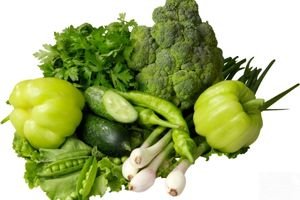
Green vegetables are nutrient powerhouses, yet they are the most neglected part of the Indian diet. Most people either eat them occasionally or in very small amounts, missing out on essential vitamins like A, C, K, folate, iron, calcium, and fibre. Adding even one small portion of a green vegetable daily — whether spinach, methi, broccoli, lauki, tinda, or bhindi — significantly boosts your nutrient intake.
Greens support digestion, improve gut health, keep the liver functioning smoothly, and stabilise blood sugar levels. They contain antioxidants that fight inflammation and support clear skin, better immunity and improved energy levels. Including greens also helps combat constipation due to their natural fibre content.
It doesn’t require complicated cooking. You can add spinach to dal, make methi paratha, add coriander to khichdi, or simply include cucumber and lettuce as a small salad. When you incorporate greens daily, even in small quantities, your body begins to function more efficiently. Over time, this tiny habit improves metabolism, enhances nutrient absorption, and keeps your hormones more balanced.
7. Replace One Sugary Drink With Water

Sugary drinks like packaged juices, colas, sweetened teas, milkshakes, and even frequent café-style beverages drastically increase daily sugar intake. Even one sugary drink can add 100–300 extra calories without offering any real nutrition. Replacing just one sugary drink daily with water or infused water is a powerful micro-habit that protects your long-term health.
When you reduce sugary drinks, your insulin levels stabilise, cravings go down, and fat storage slows. You also reduce the risk of fatty liver, type-2 diabetes, and hormonal imbalances. Hydration improves skin clarity, kidney function, digestion, and mental alertness.
This habit is easy to follow because it doesn’t ask you to quit sugar completely — only reduce one serving. You can replace it with lemon water, mint water, jeera water, or plain water. Over time, your taste buds reset, and you naturally start craving fewer sweet drinks. This is one of the simplest, high-impact nutrition upgrades you can make with almost no effort.
8. Eat a Handful of Nuts or Seeds Daily
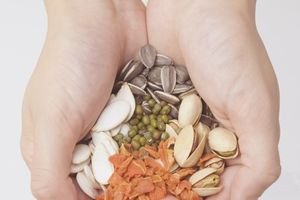
A handful of nuts or seeds — almonds, walnuts, pistachios, pumpkin seeds, chia seeds, flaxseeds, or sunflower seeds — acts like a mini nutrient bomb for your body. These foods are rich in healthy fats, omega-3s, plant protein, fibre, magnesium, zinc, and antioxidants. Just a small handful can improve heart health, brain function, hair growth, and skin radiance.
Nuts stabilise your energy levels and prevent sudden hunger spikes, making them excellent for weight management. They also improve hormone balance, support immunity, and reduce inflammation in the body. Seeds, in particular, support digestion and help maintain glowing skin due to their anti-inflammatory properties.
This habit is easy because nuts require no cooking and can be carried anywhere — in your bag, office drawer, or car. Even if your day is busy or your meals are irregular, this tiny addition ensures your body receives steady nutrition. Over months, this simple habit improves metabolism, reduces cravings, and keeps you energised throughout the day.
9. Walk for 10 Minutes After Meals

Post-meal walks are one of the most effective and underrated habits you can follow. Walking for just 10 minutes after lunch or dinner helps regulate blood sugar levels, reduces acidity, and supports digestion. When you move your body after eating, your stomach processes food more efficiently, preventing bloating, heaviness, and indigestion.
This tiny habit is especially beneficial for people with desk jobs, long work hours, or sedentary lifestyles. You don’t need a gym — simply walking inside the house or building is enough. It increases circulation, stabilises insulin spikes, and supports long-term weight management without intense workouts.
Regular post-meal walking also improves sleep quality and reduces midnight cravings. Over months, these short walks strengthen stamina, reduce fat accumulation, and improve overall metabolic health. It’s a habit so simple that once you start, you’ll wonder why you didn’t do it earlier.
10. Sleep 15 Minutes Earlier Every Night

Nutrition and sleep are deeply connected. Poor sleep disrupts hunger hormones like ghrelin and leptin, causing cravings, overeating, and fatigue. Sleeping only 15 minutes earlier may seem insignificant, but it gradually shifts your body into a healthier rhythm. Over time, these 15-minute increments can add up to 1–1.5 hours of better-quality rest.
Good sleep improves digestion, mental clarity, immunity, hormonal balance, skin repair, and emotional wellbeing. When you sleep earlier, your body gets more time for cellular repair and detoxification. You wake up feeling lighter, more energetic, and more motivated to make healthy choices.
This small habit is practical and achievable for everyone — students, professionals, parents, and even shift workers. Simply setting a ‘wind-down alarm,’ minimising screen time before bed, or drinking a warm herbal tea can help. Over months, this tiny sleep upgrade becomes one of the strongest foundations for long-term health.
How These Tiny Habits Transform Your Body Over Time
After 1 Week
Within the first week, hydration improves, bowel movement becomes more regular, and you start noticing fewer cravings. Your energy stabilises because your body is receiving small but consistent nutritional upgrades. You may feel less bloated, lighter, and more alert during the day. Even sleep begins improving slightly because your digestive system is under less stress.
After 1 Month
By the end of a month, your metabolism becomes more active. You experience fewer sugar crashes, your skin starts looking fresher, and digestion becomes smoother. Your mind feels clearer, and you notice that healthy choices feel easier because they have become part of your routine. Small steps now show visible results.
After 3 Months
In three months, your body shows measurable improvement. Weight begins to shift naturally, your immunity gets stronger, and your appetite becomes more balanced. Your stomach feels lighter after meals, bloating reduces, and you start waking up with more energy. Hormonal balance improves as blood sugar stabilises.
After 6–12 Months
This is where the magic becomes permanent. Your lifestyle undergoes a complete shift without any extreme dieting. You maintain a steady weight, your skin and hair look healthier, and your digestion works effortlessly. You feel emotionally balanced, physically stronger, and mentally fresher. Tiny habits evolve into a healthy identity — and that’s a transformation no diet can ever replace.
Additional Tiny Habits
1. Add 5 Minutes of Deep Breathing Before Meals

- Helps activate the parasympathetic nervous system for better digestion.
- Reduces emotional eating and stress-related cravings.
- Allows the stomach to prepare enzymes for smoother digestion.
2. Start Your Meals With Fibre First

- Eat salads, veggies, or dals before rice/roti.
- This stabilises blood sugar levels and reduces insulin spikes.
- Helps prevent overeating and supports weight management.
3. Keep Water on Your Work Desk

- Constant visibility increases your hydration by 30–40% unconsciously.
- Prevents unnecessary snacking, which often happens due to dehydration.
- Keeps energy and focus steady throughout the day.
4. Replace One Fried Snack With a Roasted Option

- Swap samosa for roasted chana, chips for makhana, pakora for sprouts chaat.
- Reduces inflammation while still satisfying cravings.
- Helps maintain weight without feeling restricted.
5. Add One Teaspoon of Healthy Seeds to Any Meal
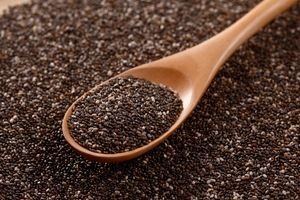
- Chia, flax, pumpkin, or sunflower seeds can be sprinkled on curd, roti, dal, sabzi.
- Boosts fibre, omega-3, and micronutrients immediately.
- Improves skin and hair health over time.
6. Have a Cut-off Time for Eating at Night

- Even stopping eating 15–20 minutes earlier than your usual time helps digestion.
- Reduces acid reflux and improves sleep quality.
- Supports fat-burning hormones that work during the night.
7. Keep One “Emergency Healthy Snack” With You

- Carry nuts, fruit, protein bars, or roasted snacks.
- Prevents last-minute poor food choices when hungry.
- Reduces reliance on junk food and unplanned calories.
8. Add a Colour Rule to Every Meal
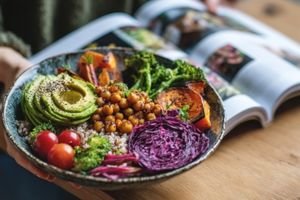
- Make sure your plate has at least two colours (green + yellow/red).
- Encourages natural intake of antioxidants without effort.
- Makes meals visually appealing and nutritionally balanced.
9. Add One Anti-inflammatory Ingredient Daily
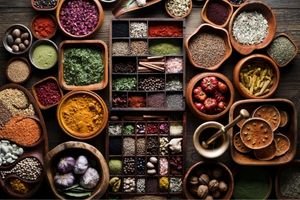
You don’t need a full plan—just one item daily like:
- Haldi (turmeric)
- Adrak (ginger)
- Garlic
- Cinnamon
- Black pepper
These reduce internal inflammation and support immunity.
10. Keep a “Fruit Bowl Rule” at Home
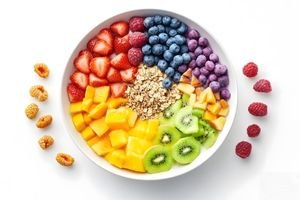
- If fruit is visible, vegetable snacks or healthy options are eaten more.
- Convenience shapes habits more than motivation does.
- Reduces mindless junk snacking at home.
11. Practice “Swap, Don’t Stop”

Instead of removing favourite foods, swap them:
- White rice → semi-brown rice
- Refined oil → cold-pressed oils
- Refined sugar → jaggery/dates
- Ice cream → fruit yogurt
Small swaps reduce guilt AND calories.
12. Add Warm Water After Heavy Meals

- Supports digestion and prevents bloating.
- Helps the stomach break down food faster.
- Reduces sluggishness and acidity after eating out.
13. Set a “No Phone for First 30 Minutes After Waking” Rule

- Prevents stress hormones from spiking early morning.
- Helps hunger and digestive hormones work naturally.
- Keeps you mentally calmer and reduces emotional eating.
14. Create a “Healthy Default” at Home

- Keep healthy items at eye-level and junk out of sight.
- You automatically reach for better foods without willpower.
- Environment shapes behavior better than motivation.
15. Eat Sitting Down, Not Standing

- Standing makes you eat faster and digest slower.
- Sitting activates mindful eating naturally.
- Reduces overeating and improves digestion effortlessly.
Conclusion
The beauty of small habits is that they don’t demand perfection — only consistency. Anyone can follow them, no matter how busy their life is. You don’t need to give up your favourite foods, join a gym, or follow a strict diet. You only need to commit to gentle, daily improvements that support your body naturally.
When you stop chasing shortcuts and start focusing on small sustainable changes, your body rewards you with long-lasting health. These micro-habits slowly reprogram your brain, reshape your lifestyle, and build a healthier identity. Instead of feeling restricted, you feel empowered.
Remember: the goal is not to change everything overnight. The goal is to change one tiny thing today, another tomorrow, and keep going. Over months, these tiny steps become a powerful journey of transformation. Big results don’t come from big efforts — they come from small choices made repeatedly.
FAQs
1. How can small nutrition habits make a big difference in my health?
Small habits repeated daily slowly reshape your metabolism, gut health, and energy levels. Your body responds to consistency, not intensity, so even tiny improvements add up to major results over months.
2. Do I need to change my entire diet to see results?
No. You can start with micro-tweaks like adding one fruit a day, drinking more water, or improving one meal. These tiny changes are easier to maintain and more sustainable long term.
3. How long does it take to see changes from small nutrition habits?
Most people notice changes in energy and digestion within 7–10 days. Visible health benefits like better skin, weight balance, and reduced cravings appear in 4–8 weeks.
4. Which small habit is the most effective for beginners?
Start with hydration and regular meal timing. These two simple changes stabilize appetite, improve digestion, and create a base for more habits.
5. Are small habits useful if I have a busy lifestyle?
Yes! Small habits are specifically designed for busy people. They require very little time — like adding nuts to breakfast, choosing one healthier snack, or drinking one extra glass of water.
6. Can small nutrition habits help in weight loss?
Absolutely. Micro-changes like improving protein intake, reducing portion size by 10%, or avoiding late-night snacking naturally support weight loss without strict dieting.
7. How can I stay consistent with tiny daily habits?
Link habits to daily routines. For example, drink water after brushing, eat fruit during your commute, or prepare vegetables while cooking dinner. Habit pairing increases success.
8. Should I track my small habits?
Tracking helps reinforce the behaviour. A small checklist, sticky note, or habit-tracking app can make you more aware of what you’re doing each day.
9. Can tiny habits improve digestion and gut health?
Yes. Adding fibre, drinking enough water, eating slowly, and including fermented foods can gradually rebalance gut bacteria and improve digestion naturally.
10. Are supplements needed when building small nutrition habits?
Not necessarily. Most people can get what they need from consistent, small dietary improvements. Supplements are only needed if you have deficiencies or specific health conditions.