


Adolescence is one of the most dynamic and transformative phases of life. Between rapid growth spurts, hormonal changes, and increased physical and mental demands, teenagers require more energy and essential nutrients than at almost any other stage of life. At the same time, teens are exposed to an overwhelming number of food choices—many of which are highly processed, sugary, or low in nutrients. Combine that with busy school schedules, extracurricular activities, social events, and screen time, and it’s easy to see why maintaining a healthy diet can feel like a challenge.
Proper nutrition during the teenage years is crucial for supporting growth, cognitive development, and overall well-being. The right foods help boost energy, strengthen immunity, improve focus in school, support healthy weight management, and even enhance mood. But getting teens to eat well doesn’t have to be a struggle—healthy eating can be simple, flexible, and fun.
This guide is designed to provide practical, realistic, and teen-friendly nutrition tips that actually work. From easy meal ideas to smart snack swaps and strategies for staying hydrated, these tips will help teens fuel their bodies effectively while enjoying the foods they love. By making small, consistent changes, teens can build lifelong habits that promote energy, growth, and confidence, setting the stage for a healthier future.
Why Teen Nutrition Matters
Teenage years are a period of rapid growth, both physically and mentally, and the foods teens eat play a crucial role in supporting this development. During adolescence, the body requires more calories, protein, vitamins, and minerals than at almost any other stage of life. Proper nutrition isn’t just about staying slim or fit—it directly affects energy levels, cognitive function, mood, and long-term health. Here’s why nutrition matters so much for teens:
1. Supports Growth and Development

“Strong today, stronger tomorrow — because growth starts from within!”
Teenagers experience growth spurts where bones lengthen, muscles strengthen, and organs develop. Adequate nutrition ensures:
- Strong bones through calcium and vitamin D intake
- Muscle growth and repair via sufficient protein
- Healthy skin, hair, and nails through essential vitamins and healthy fats
Example: A diet rich in lean protein, dairy or fortified alternatives, fruits, and vegetables provides the building blocks teens need for proper growth.
2. Boosts Brain Health and Academic Performance

“Healthy foods today, bright minds tomorrow.”
Nutrition has a direct impact on cognitive function, focus, and memory. Foods rich in omega-3 fatty acids, iron, zinc, and B-vitamins support brain development, concentration, and learning.
Benefits:
- Better focus in school and during homework
- Improved memory and problem-solving skills
- Stabilized mood and reduced irritability
Example: Including fatty fish, eggs, nuts, and leafy greens in meals helps nourish the brain and maintain energy throughout long school days.
3. Maintains Energy Levels

“Eat smart, stay charged — all day, every day!”
Busy teens are constantly on the move, from school to sports practice to social activities. Balanced meals provide sustained energy and prevent crashes caused by sugary snacks or highly processed foods.
Key nutrients for energy:
- Complex carbs: whole grains, oats, brown rice
- Protein: eggs, legumes, chicken, tofu
- Healthy fats: avocado, nuts, seeds
Example: A quinoa and chickpea salad with vegetables keeps energy steady for hours compared to a candy bar, which gives a short spike followed by a crash.
4. Strengthens Immunity

“Power up their plate to power up their immunity!”
Teenagers are exposed to germs and illnesses at school, sports, and social events. Proper nutrition strengthens the immune system:
- Vitamin C (from citrus fruits and bell peppers) supports immune cell function
- Zinc (from seeds, nuts, and legumes) aids in wound healing and infection prevention
- Protein helps produce antibodies and other immune molecules
Result: Teens who eat a variety of nutrient-rich foods are less likely to fall sick frequently and recover faster when they do.
5. Supports Healthy Weight and Body Composition

“Healthy food habits shape a stronger, fitter body.”
Adolescence is also a time of body changes, and nutrition plays a key role in achieving a healthy weight naturally, without extreme dieting. Balanced meals with protein, fiber, and healthy fats:
- Reduce unhealthy snacking
- Regulate appetite and prevent overeating
- Support muscle development rather than fat gain
- Support muscle development rather than fat gain
Tip: Focusing on what to include in the diet rather than only restricting foods encourages positive, long-term habits.
6. Influences Mood and Mental Health

“Feed the body right to keep the mind bright!”
Teen years are often accompanied by emotional ups and downs, stress from school, social pressures, and hormonal changes. Nutrition plays a crucial role in supporting mental health and emotional stability during this phase.
Certain nutrients directly impact brain chemistry and mood:
- Complex carbohydrates (like oats, whole grains, and sweet potatoes) help the brain produce serotonin, a neurotransmitter that regulates mood and promotes feelings of happiness.
- Omega-3 fatty acids (found in fatty fish, flaxseeds, chia seeds, and walnuts) are essential for brain development and may reduce anxiety and depression symptoms.
- Magnesium (from spinach, pumpkin seeds, and almonds) supports nervous system health and can help reduce stress.
- B-vitamins (from eggs, dairy, legumes, and whole grains) are vital for energy production and cognitive function, which directly affects focus, alertness, and mood.
Practical Tips:
- Encourage a balanced breakfast that includes protein, complex carbs, and healthy fats to start the day energized and in a positive mood.
- Include snacks like nuts, fruit, or yogurt instead of processed sweets to prevent blood sugar crashes that can trigger irritability.
- Hydration matters too—even mild dehydration can lead to fatigue, poor concentration, and mood swings.
By fueling their bodies with nutrient-rich foods, teens can stabilize mood, reduce anxiety, and improve overall mental well-being, which also enhances school performance, social interactions, and resilience to stress.
7. Builds Lifelong Healthy Habits

“Small choices today create big health wins for life!”
The eating habits formed during teenage years often carry into adulthood, influencing long-term health outcomes. Establishing a foundation of balanced nutrition early on can prevent chronic diseases, support healthy weight management, and promote overall wellness later in life.
Why it matters:
- Teens who learn to enjoy whole, nutrient-dense foods are more likely to continue making these choices as adults.
- Developing meal planning, mindful eating, and cooking skills during adolescence fosters independence and confidence around food.
- Healthy habits reduce the likelihood of developing unhealthy eating patterns, such as extreme dieting, skipping meals, or over-reliance on processed foods.
Practical Tips:
- Involve teens in grocery shopping and meal preparation to teach them how to select and prepare healthy foods.
- Encourage trying new fruits, vegetables, and recipes regularly to expand their palate.
- Make healthy eating fun and social, like preparing meals with friends or having family cooking challenges.
By cultivating these habits, teens not only support their immediate growth and well-being but also lay the groundwork for a lifetime of healthy, balanced eating, improved energy, and disease prevention.
Core Principles of Teen-Friendly Nutrition
Building healthy eating habits during adolescence doesn’t have to be complicated. By following a few simple, practical principles, teens can ensure they get the nutrients needed for growth, energy, brain function, and overall well-being.1. Prioritize Whole, Nutrient-Dense Foods
1. Prioritize Whole, Nutrient-Dense Foods

“Color your plate with real, wholesome goodness!”
Whole foods are the foundation of a healthy teen diet. They are rich in vitamins, minerals, fiber, and antioxidants while being naturally low in added sugars and unhealthy fats.
Examples:
- Fruits: apples, berries, oranges, bananas
- Vegetables: spinach, broccoli, carrots, bell peppers
- Whole grains: brown rice, quinoa, oats, whole wheat bread
- Protein sources: eggs, chicken, fish, tofu, lentils, beans
- Healthy fats: avocado, nuts, seeds, olive oil
Why it matters: Whole foods support growth, energy, immunity, and brain health, and they help teens feel full and satisfied longer.
Practical Tip: Encourage a “rainbow plate”—the more colorful the meal, the more diverse the nutrients.
2. Don’t Skip Meals

“Regular meals keep energy, focus, and mood on track.”
Skipping meals, especially breakfast, can lead to low energy, poor concentration, irritability, and overeating later. Teens need consistent fuel throughout the day to maintain energy and focus.
Tips:
- Breakfast: Overnight oats with berries, smoothie bowls, or whole-grain toast with eggs
- Lunch: Whole grain sandwich or wrap with lean protein and vegetables
- Snacks: Fruit, nuts, or yogurt to prevent mid-afternoon crashes
Why it matters: Eating regularly keeps blood sugar levels stable and provides a steady source of energy for school, sports, and social activities.
3. Balance Carbs, Protein, and Healthy Fats
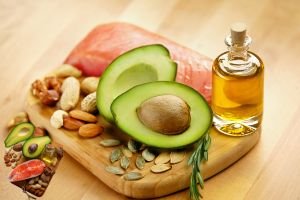
“A balanced mix of carbs, protein, and healthy fats keeps teens fueled and focused.”
A balanced plate includes:
- Carbs: Fuel the body and brain; choose complex carbs like brown rice, oats, and sweet potatoes
- Protein: Supports growth, muscle repair, and satiety; sources include eggs, lean meats, legumes, and dairy
- Healthy Fats: Aid brain development, hormone balance, and absorption of fat-soluble vitamins; examples include avocado, nuts, seeds, and olive oil
Practical Tip: Aim for half your plate vegetables, one-quarter protein, and one-quarter complex carbs, with a small portion of healthy fats.
4. Smart Snacking

“Snack with purpose — your body will thank you!”
Teens often snack between meals, making it a key opportunity for nutrition. Healthy snacks provide energy without the crash of processed foods.
Examples:
- Trail mix with nuts and dried fruit
- Fresh fruit with yogurt or nut butter
- Veggie sticks with hummus
- Smoothies with spinach, banana, and protein powder
Why it matters: Snacks prevent overeating at meals, provide extra nutrients, and keep energy steady throughout the day.
5. Hydration is Essential

“Water fuels every cell — keep sipping to stay energized!”
Teens often replace water with sugary drinks or energy drinks, which can lead to weight gain, mood swings, and fatigue. Water is crucial for:
- Digestion and metabolism
- Brain function and concentration
- Temperature regulation during physical activity
Practical Tip: Encourage 6–8 glasses of water per day, or flavored water with lemon, cucumber, or mint. Limit soda, energy drinks, and sugary juices.
6. Include Variety and Color

“Eat the rainbow, grow with glow!”
Eating a variety of foods ensures teens get a wide range of nutrients necessary for growth and health.
Tips:
- Rotate fruits and vegetables daily
- Include a mix of whole grains, proteins, and healthy fats
- Try new foods or international cuisines to expand the palate
Why it matters: Variety prevents nutrient deficiencies, keeps meals interesting, and teaches teens to enjoy healthy foods naturally.
7. Make Meals Fun and Involve Teens

“Healthy eating sticks when teens take part in the process!”
Teens are more likely to make healthy choices when they feel involved and empowered. Cooking and planning meals together can make nutrition enjoyable.
Practical Ideas:
- Let them pick recipes or add toppings to bowls
- Introduce theme nights: “Taco Tuesday” with whole grain tortillas and colorful veggies
- Create DIY smoothie or wrap stations for creativity
Why it matters: Involvement fosters confidence around food, independence, and a positive relationship with healthy eating.
8. Limit Highly Processed Foods and Added Sugars

“Choose real foods over packaged ones for lasting health!”
Processed snacks, sugary beverages, and fast food often contain empty calories, unhealthy fats, and excess sugar. Limiting these foods helps prevent:
- Energy crashes and irritability
- Weight gain
- Nutrient deficiencies
Practical Tip: Swap processed snacks for fruit, nuts, yogurt, or homemade alternatives, and replace soda with water or herbal teas.
9. Encourage Mindful Eating

“Mindful eating helps teens recognize hunger, fullness, and emotional cues.”
Mindful eating helps teens listen to their hunger and fullness cues, preventing overeating and fostering a healthy relationship with food.
Tips:
- Eat without distractions like phones or TV
- Chew food slowly and savor each bite
- Pay attention to hunger levels before and after meals
Why it matters: Mindful eating supports weight management, digestion, and emotional well-being.
10. Adapt Nutrition to Activity Levels

“Active teens need extra fuel to power growth and performance.”
Active teens need more calories and nutrients to fuel sports, workouts, and daily activity.
Tips:
- Pre-activity snack: banana with peanut butter or a smoothie
- Post-activity recovery: protein-rich snack like yogurt with nuts or a boiled egg with fruit
- Hydrate adequately before, during, and after exercise
Why it matters: Proper fueling supports muscle recovery, energy maintenance, and performance, preventing fatigue and injuries.
Conclusion
Nutrition during the teenage years is about more than just food—it’s about laying the foundation for a lifetime of health, energy, and well-being. The choices teens make today impact their growth, mental performance, immunity, and overall quality of life, and establishing healthy habits now can prevent issues like fatigue, nutrient deficiencies, poor concentration, and long-term chronic diseases.
Healthy eating for teens doesn’t have to be complicated or restrictive. By focusing on whole foods, balanced meals, hydration, mindful eating, and enjoyable snacks, teens can fuel their bodies for school, sports, and social life, all while feeling satisfied and energized. Encouraging variety, color, and creativity in meals makes nutrition fun and sustainable rather than a chore.
Moreover, involving teens in meal planning, preparation, and smart food choices helps them develop independence, confidence, and a positive relationship with food. These skills are not only essential for their teenage years but also for adulthood, giving them the tools to maintain balanced eating habits for life.
Ultimately, teen-friendly nutrition is about empowerment and balance—teaching teens to make informed choices, enjoy the foods they love, and understand how nutrition affects their body and mind. With small, consistent steps, teens can thrive physically, mentally, and emotionally, setting themselves up for a healthy, energetic, and vibrant future.
FAQs
1. Why is nutrition so important during the teenage years?
Teenage years are a time of rapid growth, hormonal changes, and brain development. Good nutrition supports height growth, muscle strength, better focus in school, strong immunity, and stable mood.
2. How can teens maintain energy throughout the day?
Eating balanced meals that include complex carbs, lean protein, and healthy fats provides steady energy. Skipping meals or relying on sugary snacks often leads to energy crashes and fatigue.
3. What are some quick and healthy breakfast ideas for busy teens?
Try smoothie bowls, whole-grain toast with eggs or nut butter, yogurt with fruit, or overnight oats with seeds and milk. These options are easy, nutritious, and keep you full for hours.
4. How much water should a teenager drink daily?
Most teens need about 6–8 glasses of water per day, depending on activity level and weather. Staying hydrated helps improve focus, mood, and physical performance.
5. What are the best snacks for teens who crave junk food?
Instead of chips or candy, go for trail mix, popcorn with olive oil, fruit with nut butter, yogurt with granola, or homemade energy bites — all tasty and nutrient-rich!
6. How can teens get enough protein if they don’t eat meat?
Vegetarian sources like lentils, beans, tofu, paneer, eggs, quinoa, nuts, and dairy products can easily meet protein needs when included throughout the day.
7. Why do teens need healthy fats in their diet?
Healthy fats from nuts, seeds, avocados, and fish support brain development, hormone balance, and glowing skin — all vital during adolescence.
8. What should teens eat before and after workouts or sports?
Before exercise: a banana with peanut butter or a fruit smoothie.
After exercise: yogurt with nuts, boiled eggs, or a protein smoothie to help repair muscles.
9. How can parents encourage teens to eat healthier?
Involve them in meal prep, let them pick recipes, create theme dinners like “Taco Tuesday,” and make healthy eating fun, not forced.
10. What happens if teens skip meals regularly?
Skipping meals can lead to low energy, irritability, poor focus, and overeating later. Eating regular, balanced meals keeps energy steady and mood balanced.