
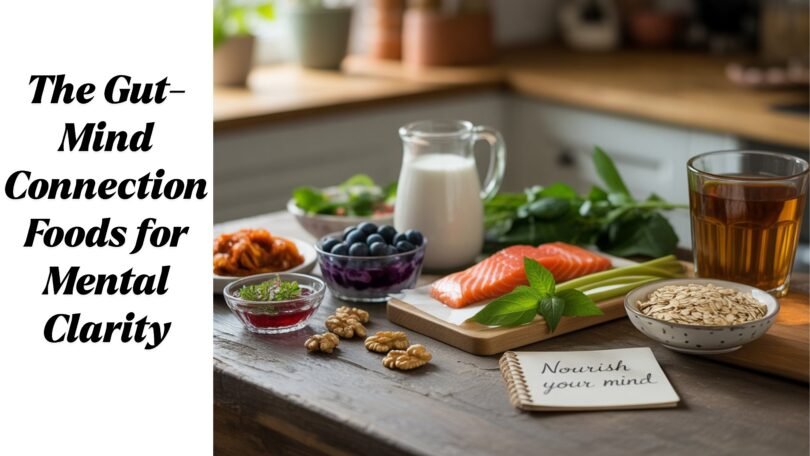

When you feel mentally drained, distracted, or foggy, it’s easy to blame a lack of sleep, long working hours, or stress. But what many people don’t realize is that mental clarity often starts in the gut. The digestive system and the brain are more connected than we think, and the health of one directly influences the performance of the other.
This connection is known as the gut-brain axis—a communication network where signals constantly travel back and forth through nerves, hormones, and even tiny chemicals produced by gut bacteria. That’s why you might feel nervous “butterflies” in your stomach before a presentation or experience digestive issues during stressful situations. It’s your gut and brain in conversation.
Recent research has revealed that the gut microbiome—trillions of bacteria living in our digestive tract—plays a huge role in mental well-being. These microbes help produce neurotransmitters like serotonin and dopamine, regulate inflammation, and even affect how clearly we think and how balanced our mood feels. In short, a healthier gut often means a sharper, calmer, and more focused mind.
The good news is that you don’t need complex solutions to support this connection. By choosing certain foods, you can nourish your gut and, in turn, give your brain the clarity and energy it needs.
Why Gut Health Impacts Mental Clarity
The gut is often called our “second brain” because of its vast network of nerves and its connection to the vagus nerve. But beyond that, it houses trillions of bacteria—our gut microbiome—that have a huge influence on mental well-being.
- A healthy gut microbiome produces neurotransmitters like serotonin and GABA, which regulate mood and focus.
- Inflammation in the gut can spill over into the brain, leading to brain fog and low energy.
- Proper digestion ensures the brain actually receives the vitamins, minerals, and antioxidants it needs to work efficiently.
When the gut is balanced, the mind feels sharper, calmer, and more productive.
Foods That Support the Gut-Brain Axis
1. Fermented Foods — Rebuild and Balance the Microbiome
What it does: Fermented foods supply live microbes (probiotics) that help rebalance the gut ecosystem, support digestion, and produce metabolites that influence mood and brain signaling. Regularly adding small amounts of fermented foods can increase microbial diversity and improve gut barrier function, which reduces low-grade inflammation that may contribute to brain fog.
How they help the mind: Probiotic microbes produce short-chain fatty acids and other signaling molecules that interact with the nervous system (via the vagus nerve and immune/hormonal pathways), helping to regulate stress responses and mood. A balanced microbiome also supports nutrient absorption that the brain needs.
How to include them: yogurt with “live and active cultures,” kefir, sauerkraut, kimchi, miso, tempeh, and small amounts of kombucha. Start with small servings to avoid digestive upset if you’re not used to them.
Serving suggestions: 100–150 g plain yogurt or 1 cup kefir, 2–3 tablespoons of sauerkraut or kimchi with a meal, 1–2 tablespoons of miso in soup.
Cautions & tips: If you have histamine intolerance, small intestinal bacterial overgrowth (SIBO), or are immunocompromised, introduce fermented foods carefully and consult a clinician. Fermented foods complement — they do not replace — a fiber-rich diet (prebiotics) that feeds those microbes.
2. Fiber-Rich Foods — Feed the Good Bugs & Stabilize Energy
What it does: Dietary fiber acts as prebiotic fuel for beneficial gut bacteria. When fiber is fermented by microbes, it produces short-chain fatty acids (SCFAs) such as butyrate, which help maintain the gut lining, reduce inflammation, and influence brain processes linked to cognition and mood. Fiber also slows glucose absorption, preventing energy spikes and crashes that harm concentration.
How they help the mind: Stable blood glucose means more consistent mental energy; SCFAs and other metabolites can modulate inflammation and signaling molecules that affect attention and memory.
How to include them: Whole grains (oats, quinoa, brown rice), legumes (lentils, chickpeas, beans), a wide range of vegetables (broccoli, carrots, leafy greens), fruits (berries, apples, pears), and seeds (chia, flax). Include a mix of soluble and insoluble fibers and aim to vary plant types to support microbial diversity.
Serving suggestions: Aim for about 25–35 g of fiber per day (increase gradually). Examples: ½–1 cup cooked oats for breakfast, 1 cup lentil soup or a chickpea salad for lunch, a large serving of mixed vegetables at dinner, and fruit + seeds for snacks.
Cautions & tips: Increase fiber slowly over 1–2 weeks to minimize bloating. If you have IBS or are sensitive to FODMAPs, choose lower-FODMAP fiber sources or work with a professional to customize choices.
3. Omega-3 Fatty Acids — Build Flexible Brain Cells & Calm Inflammation

What it does: Long-chain omega-3s (EPA and DHA) are incorporated into neuronal cell membranes, improving membrane fluidity, synaptic function, and neuroplasticity. They also give rise to anti-inflammatory mediators that reduce chronic inflammation — a contributor to poor cognition and mood disorders.
How they help the mind: Better membrane structure enhances neurotransmission and learning; reduced inflammation supports clearer thinking and may lower anxiety symptoms.
How to include them: Fatty fish (salmon, sardines, mackerel), anchovies, and herring are top animal sources. Plant sources like walnuts, chia, and flax provide ALA (a precursor) but convert inefficiently to DHA/EPA; consider algal DHA supplements if you follow a plant-based diet.
Serving suggestions: 2 servings of fatty fish per week (about 100–150 g per serving) or daily inclusion of plant sources (a handful of walnuts, 1 tbsp chia/flax). If using supplements, check product DHA/EPA content and follow professional guidance.
Cautions & tips: If you take blood-thinning medication, consult your doctor before high-dose omega-3 supplementation. Prefer food first; supplements can help when dietary intake is low.
4. Polyphenol-Rich Foods — Antioxidant Protection & Microbiome Support

What it does: Polyphenols (flavonoids, catechins, resveratrol, etc.) are plant compounds with antioxidant and anti-inflammatory effects. They directly protect neurons from oxidative damage and also act as prebiotic-like molecules that encourage growth of beneficial gut bacteria. Some polyphenols support improved blood flow to the brain and promote biochemical pathways linked with learning and memory.
How they help the mind: By lowering oxidative stress and inflammation, polyphenols support longer-term brain health and help maintain alertness and cognitive flexibility. They also support a microbiome profile that produces helpful metabolites.
How to include them: Berries (blueberries, strawberries), green tea and matcha (catechins), dark chocolate (70%+ cacao — small amounts), coffee in moderation, grapes, and olives/olive oil.
Serving suggestions: 1 cup mixed berries daily, 1–3 cups green tea per day, 20–30 g dark chocolate occasionally, a tablespoon or two of extra-virgin olive oil with salads or cooking.
Cautions & tips: Be mindful of added sugars in commercial products (e.g., sweetened chocolate, kombucha). If you’re caffeine sensitive, balance green tea/coffee intake and prefer L-theanine-containing options like matcha which promote calm alertness.
5. Hydration & Soothing Liquids — The Often-Overlooked Foundation

What it does: Adequate fluid intake maintains the brain’s cellular environment, supports neurotransmission, and helps clear metabolic waste. Dehydration—even mild—can reduce attention, slow processing speed, and adversely affect mood. Fluids also support digestion and nutrient transport from the gut to the rest of the body.
How they help the mind: Proper hydration keeps synaptic signaling efficient and prevents cognitive dips that arise from low blood volume or electrolyte imbalance. Herbal teas can additionally soothe the gut and reduce stress-related digestion problems.
How to include them: Aim for regular fluids spread across the day: water, infused water (lemon/cucumber/mint), herbal teas (peppermint for alertness, ginger for digestion, chamomile for calm), and broths for electrolytes when needed. For active days, include electrolyte-containing drinks (or a pinch of salt + lemon) to replace losses.
Serving suggestions: General guideline ~8 glasses (~2 liters) daily as a starting point; increase with heat, activity, or larger body size. Sip consistently rather than gulping in large amounts.
Cautions & tips: Limit excessive alcohol and very high amounts of caffeinated drinks. If you have kidney disease or take certain medications, check fluid/electrolyte advice with your clinician.
6. Everyday Practical Strategies — Combine Foods, Timing, and Habits
Below are practical, evidence-driven strategies that tie the foods together into a daily pattern that supports both gut and mind:
- Pair prebiotics + probiotics: Have fiber-rich foods (prebiotics) with a fermented food (probiotic) — e.g., a bowl of oats with yogurt and sliced banana — to maximize microbiome benefit.
- Balance plate composition: Aim for a mix of lean protein, healthy fats (including omega-3 sources), and complex carbs at each meal to stabilize blood sugar and support neurotransmitter synthesis.
- Regular meal timing: Eating every 3–4 hours (or breakfast + balanced lunches/snacks) prevents glucose dips that cause concentration lapses.
- Mindful eating: Slow, attentive eating and thorough chewing improve digestion and reduce stress signals to the gut—try eating without screens for at least one meal a day.
- Limit ultra-processed foods and added sugars: These can disturb the microbiome and cause rapid blood sugar swings that harm focus. Replace packaged snacks with nuts, fruit, or homemade energy bites.
- Use stress reduction tools: Breathwork, short walks, regular sleep, and light resistance exercise improve vagal tone and gut motility—both support clearer thinking.
- Rotate plant foods: A diverse array of fruits, vegetables, grains, nuts, and legumes fosters microbial diversity. If you eat the same five plants daily, try adding two new ones each week.
- Be careful with supplements: Probiotics, omega-3s, and vitamin D can be helpful but are not one-size-fits-all—test and consult before starting high doses.
7. Quick Troubleshooting & When to Seek Help
- If bloating or discomfort occurs: Slow the increase of fiber and fermented foods; try smaller servings and identify possible FODMAP triggers.
- If mood or focus doesn’t improve: Check sleep, stress levels, and screen time; consider a blood test for iron, vitamin B12, vitamin D, and thyroid function.If you’re considering supplements: Work with a healthcare professional to choose appropriate strains/doses (probiotics) or omega-3 formulations and avoid interactions with medications.
- If you’re considering supplements: Work with a healthcare professional to choose appropriate strains/doses (probiotics) or omega-3 formulations and avoid interactions with medications.
Conclusion
Caring for the gut is not just about easing digestion—it’s about unlocking mental clarity, balance, and long-term cognitive strength. When we choose foods that strengthen the gut-brain connection, we create a ripple effect: clearer thinking, better focus, and more stable moods. A nourished gut microbiome produces vital neurotransmitters, reduces inflammation, and allows the brain to function at its best.
As I often remind clients, every bite is an opportunity to fuel both body and mind. Simple, consistent actions—like adding probiotic-rich yogurt, enjoying fiber-packed vegetables, or sipping soothing herbal teas—may seem small, but they compound over time. These habits gradually rewire your health from the inside out.
Ultimately, the gut is more than just the body’s “second brain.” It is a powerful partner that shapes how we think, feel, and perform. By respecting this connection and making mindful food choices, you’re investing not only in better digestion but also in sharper focus, greater resilience, and a healthier mind for years to come. So, with every meal, remember—you are feeding two brains: your gut and your mind.
FAQs
Q1. What is the gut-brain axis and why is it important?
The gut-brain axis is a communication network between the digestive system and the brain, using nerves, hormones, and gut microbes. It plays a key role in mood regulation, memory, and mental clarity.
Q2. How can fermented foods improve mental clarity?
Fermented foods like yogurt, kimchi, and kefir introduce beneficial bacteria (probiotics) that balance the gut microbiome, reduce inflammation, and support neurotransmitter production—all of which enhance focus and mood.
Q3. Which high-fiber foods are best for the gut and brain?
Whole grains, legumes, vegetables, fruits, and seeds feed healthy gut bacteria. They help produce short-chain fatty acids that lower inflammation and stabilize energy levels for better concentration.
Q4. Can omega-3 fatty acids improve gut-brain health?
Yes. Omega-3s from salmon, sardines, walnuts, or chia seeds strengthen brain cell membranes, calm inflammation, and support clearer thinking while also helping balance the gut ecosystem.
Q5. What role do polyphenols play in mental health?
Polyphenols in foods like berries, green tea, dark chocolate, and olive oil act as antioxidants, protect neurons, and foster a healthier microbiome—all supporting sharper focus and long-term brain health.
Q6. Does hydration affect the gut-brain connection?
Absolutely. Staying hydrated ensures efficient nutrient transport, proper digestion, and smooth brain signaling. Even mild dehydration can trigger brain fog and reduced focus.
Q7. Are probiotics and prebiotics the same?
No. Probiotics are live beneficial bacteria found in fermented foods, while prebiotics are fibers (from foods like oats, bananas, or beans) that feed those bacteria. Both are essential for a strong gut-brain axis.
Q8. Can improving gut health help with stress and anxiety?
Yes. A balanced gut microbiome helps produce calming neurotransmitters like serotonin and GABA, which regulate mood and stress responses. Many people notice reduced anxiety with gut-friendly diets.
Q9. How long does it take to see mental benefits from a gut-friendly diet?
While some people feel improvements in energy and clarity within weeks, lasting benefits usually come from consistent changes over months as the gut microbiome rebalances.
Q10. Are supplements necessary for supporting the gut-brain axis?
Not always. Most benefits can come from whole foods, but targeted supplements like omega-3s, vitamin D, or probiotics may be helpful if deficiencies exist. Always consult a professional before starting them.