


Optimal growth and recovery are not just important for athletes or fitness enthusiasts—they are essential for everyone, from children experiencing rapid growth to adults recovering from injuries, surgery, or daily physical stress. While protein, carbohydrates, and exercise often take the spotlight, vitamins play a crucial, yet often overlooked role in ensuring your body grows, repairs, and functions at its peak.
Vitamins act as co-factors in hundreds of enzymatic reactions, helping the body synthesize proteins, repair tissues, strengthen bones, boost immunity, and reduce oxidative stress. Understanding which vitamins are critical for growth and recovery allows you to make strategic dietary choices that enhance physical performance, accelerate healing, and support long-term wellness.
In this guide, we’ll delve into the five essential vitamins that form a blueprint for growth and recovery, explaining their mechanisms, sources, and practical strategies for optimal intake.
1. Vitamin D – The Bone & Muscle Optimizer
Role in Growth & Recovery
Vitamin D is a fat-soluble vitamin often referred to as the “sunshine vitamin.” It plays a vital role in bone mineralization by regulating calcium and phosphorus levels, both of which are essential for bone density and skeletal growth. In children, adequate vitamin D supports proper height and bone structure, while in adults, it reduces the risk of fractures and enhances post-injury bone repair.
Vitamin D also influences muscle protein synthesis, aiding in muscle recovery after workouts. Emerging research suggests it modulates immune responses, reducing inflammation and supporting faster tissue repair.
Best Sources

- Sunlight exposure (10–20 minutes daily, depending on skin tone and geographic location)
- Fatty fish: salmon, mackerel, sardines
- Fortified dairy products and plant-based milk
- Egg yolks and cod liver oil
Practical Tips
- Pair vitamin D with calcium-rich foods (dairy, leafy greens) for maximum bone support.
- Individuals in low-sunlight regions may consider supplementation after consulting a healthcare provider.
- Monitor blood levels if supplementation is used to prevent toxicity, as vitamin D is fat-soluble and accumulates in the body.
2. Vitamin C – The Collagen & Immune Powerhouse
Role in Growth & Recovery
Vitamin C is essential for the synthesis of collagen, a protein that forms the backbone of connective tissues, tendons, ligaments, skin, and blood vessels. Collagen not only gives structural integrity but also plays a key role in wound healing and post-injury tissue repair.
Vitamin C also acts as a potent antioxidant, neutralizing free radicals generated during intense physical activity. This reduces oxidative stress and inflammation, allowing muscles to repair efficiently and minimizing delayed onset muscle soreness (DOMS).
Best Sources

- Citrus fruits: oranges, lemons, grapefruits
- Kiwi, papaya, strawberries
- Bell peppers, broccoli, and Brussels sprouts
- Spinach, kale, and other leafy greens
Practical Tips
- Consume vitamin C-rich foods with iron-rich meals (legumes, spinach, lean meats) to enhance iron absorption, which supports energy production and tissue oxygenation.
- Fresh fruits and lightly cooked vegetables retain the highest vitamin C content.
3. Vitamin A – The Tissue Regeneration Catalyst
Role in Growth & Recovery
Vitamin A is crucial for cell growth, differentiation, and tissue repair, particularly in epithelial tissues (skin, mucous membranes) and bones. It supports immune function, ensuring the body can efficiently fight infections that might slow recovery.
Vitamin A also plays a role in vision and hormonal regulation, indirectly affecting growth and overall health. Deficiency can lead to impaired tissue repair, slower wound healing, and compromised immunity.
Best Sources

- Orange and yellow vegetables: carrots, pumpkin, sweet potatoes
- Dark leafy greens: spinach, kale, mustard greens
- Animal sources: liver, eggs, dairy products
Practical Tips
Since vitamin A is fat-soluble, pair it with healthy fats (avocado, nuts, olive oil) for optimal absorption.
- Since vitamin A is fat-soluble, pair it with healthy fats (avocado, nuts, olive oil) for optimal absorption.
- Avoid high-dose supplementation unless prescribed, as excessive vitamin A can be toxic over time.
4. B-Vitamins – The Energy & Recovery Powerhouse
Role in Growth & Recovery
The B-vitamin complex, including B1 (thiamine), B2 (riboflavin), B3 (niacin), B6, B12, and folate, is essential for converting food into energy. This energy fuels muscle activity, supports red blood cell formation, and aids in nervous system function.
B-vitamins also play a critical role in muscle recovery, as they assist in synthesizing amino acids and repairing damaged tissues. Deficiencies can lead to fatigue, muscle weakness, and slow recovery post-exercise or injury.
Best Sources
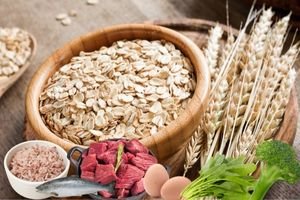
- Whole grains: oats, brown rice, quinoa, millet
- Lean meats, fish, and poultry
- Eggs and dairy products
- Legumes: lentils, chickpeas, beans
- Leafy green vegetables: spinach, broccoli
Practical Tips
- Athletes and individuals with high physical activity may need slightly higher B-vitamin intake.
- Vegetarians and vegans should monitor vitamin B12 levels, as plant sources are limited.
- Consistent daily intake is more effective than high-dose supplementation.
5. Vitamin E – The Antioxidant Defender
Role in Growth & Recovery
Vitamin E is a fat-soluble antioxidant that protects cells from oxidative stress, particularly during periods of high physical or metabolic activity. It shields muscle cells from free radical damage, reducing inflammation and speeding up recovery.
Vitamin E also supports cardiovascular health and immune function, indirectly promoting optimal nutrient delivery to muscles and tissues for repair. Combined with vitamin C, its antioxidant effects are amplified, offering comprehensive cellular protection.
Best Sources

- Nuts: almonds, hazelnuts, peanuts
- Seeds: sunflower, flax, pumpkin
- Leafy greens: spinach, broccoli
- Plant oils: sunflower, safflower, olive oil
- Avocados
Practical Tips
- Incorporate a mix of nuts, seeds, and vegetables daily to maintain antioxidant defense.
- Avoid excessive supplementation, as high doses can interfere with blood clotting and other nutrient absorption.
Creating Your Daily Vitamin Blueprint
Integrating these vitamins into your daily diet ensures optimal growth, recovery, and long-term health. Here’s a practical example:
- Breakfast: Oatmeal with chia seeds, berries, and a boiled egg (Vitamin D, B-complex, Vitamin C)
- Mid-Morning Snack: Orange or kiwi (Vitamin C)
- Lunch: Grilled salmon with quinoa and steamed broccoli (Vitamin D, B-complex, Vitamin C, Vitamin E)
- Evening Snack: Almonds or sunflower seeds (Vitamin E)
- Dinner: Carrot and spinach salad with olive oil dressing and lentils or lean meat (Vitamin A, Vitamin E, B-complex)
Consistency is key. Over time, this nutrient-rich approach strengthens bones, accelerates muscle repair, supports immunity, and improves overall vitality.
Conclusion
Vitamins are not just minor nutrients—they are essential catalysts that orchestrate the body’s growth, repair, and resilience mechanisms. Each vitamin in this blueprint—D, C, A, B-complex, and E—plays a unique yet interconnected role. Together, they support bone strength, muscle repair, tissue regeneration, energy production, and antioxidant defense, forming a comprehensive framework for optimal health.
Neglecting these vitamins can slow recovery, increase injury risk, impair growth, and compromise overall vitality. Conversely, a consistent, balanced intake empowers your body to perform at its peak, whether you are an athlete pushing your limits, a child in a growth phase, or an adult recovering from daily physical and mental stress.
Incorporating a vitamin-rich diet is not just about prevention—it’s about enhancing performance, accelerating recovery, and building long-term resilience. Pairing whole foods with mindful supplementation (when necessary) ensures that your body receives the right nutrients in the right amounts. Over time, this approach fosters stronger bones, healthier muscles, faster healing, and a robust immune system.
Ultimately, the Vitamin Blueprint for Growth & Recovery is a lifestyle choice—a commitment to nurturing your body at the cellular level, fueling it for today’s demands, and preparing it for tomorrow’s challenges. By prioritizing these five key vitamins daily, you invest in a foundation that supports not only physical recovery but also overall longevity, energy, and well-being.
FAQs
Q1. Why are vitamins important for growth and recovery?
Vitamins act as catalysts in the body’s repair, growth, and energy production processes. They help strengthen bones, repair tissues, boost immunity, and reduce inflammation, making them crucial for both children and adults.
Q2. Which vitamin is most essential for strong bones and muscles?
Vitamin D is key for calcium absorption and bone density. It also supports muscle recovery and reduces the risk of injuries.
Q3. How does Vitamin C help in post-workout recovery?
Vitamin C promotes collagen synthesis, which repairs muscles, ligaments, and tendons. It also reduces oxidative stress, helping you recover faster after exercise.
Q4. Can Vitamin A speed up wound healing?
Yes. Vitamin A supports cell growth and tissue regeneration, making it essential for faster wound healing and recovery from injuries.
Q5. What role do B-vitamins play in energy and recovery?
B-vitamins convert food into usable energy, support red blood cell production, and aid muscle repair. They are especially vital for people with high physical activity.
Q6. How does Vitamin E benefit recovery?
Vitamin E is a powerful antioxidant that protects muscles from free radical damage, reduces inflammation, and speeds up tissue healing.
Q7. Can I get all these vitamins from food alone?
Yes, with a well-balanced diet that includes fruits, vegetables, whole grains, lean proteins, nuts, and seeds. However, some individuals may need supplements after medical consultation.
Q8. Is supplementation always necessary?
Not always. Supplements are useful for people with deficiencies, low sunlight exposure (Vitamin D), or specific dietary restrictions (like vegan diets lacking B12).
Q9. How can I improve vitamin absorption naturally?
Pair fat-soluble vitamins (A, D, E) with healthy fats like olive oil, nuts, or avocado. For Vitamin C, consume fresh fruits and lightly cooked vegetables to retain nutrients.
Q10. Who benefits most from a vitamin-rich recovery plan?
Everyone—from athletes and growing children to adults recovering from surgery, stress, or daily wear and tear—can benefit from a vitamin blueprint for growth and recovery.