


In modern professional life, maintaining healthy eating habits during the workweek has become increasingly difficult. Long office hours, frequent meetings, tight deadlines, commuting, and constant mental pressure leave very little time or energy to think about nutrition. From a dietitian’s perspective, most people do not struggle with healthy eating because they lack knowledge, but because they lack structure. When meals are not planned in advance, individuals are more likely to skip meals, eat irregularly, or rely on convenience foods that are high in calories, unhealthy fats, sugar, and sodium. Weekend meal prep provides a structured solution to this problem by allowing meals to be planned and prepared during a time when mental stress is lower and time availability is higher. This proactive approach removes daily uncertainty around food, supports consistent nutrient intake, and significantly reduces weekday stress. Over time, weekend meal prep becomes a lifestyle system that supports both physical health and mental well-being, making the workweek more manageable and productive.
Key reasons weekend meal prep is necessary today:
- Busy work schedules reduce time for daily cooking
- Unplanned eating leads to poor food choices
- Irregular meals negatively affect energy and focus
- Stress increases reliance on processed and outside food
- Structured meal prep restores control over nutrition
WHAT IS WEEKEND MEAL PREP? A DIETITIAN’S DEFINITION AND APPROACH

Weekend meal prep is a systematic approach to nutrition that involves planning, preparing, portioning, and storing meals in advance to support healthy eating throughout the workweek. From a dietitian’s standpoint, meal prep is not about eating the same food every day or following a restrictive diet. Instead, it is about creating a predictable and supportive food environment that makes healthy choices easier during busy days. Meal prep can include fully cooked meals, partially prepared ingredients, or a combination of both, depending on individual lifestyle needs. The primary goal is to ensure nutritional balance, portion control, and consistency. When meals are prepared at home, individuals gain control over ingredients, cooking methods, and portion sizes, which directly impacts digestion, energy levels, and long-term health. Weekend meal prep is especially effective for working professionals because it aligns nutrition with real-life schedules rather than ideal routines.
Core components of weekend meal prep:
- Advance planning of meals and snacks
- Balanced home-cooked food preparation
- Portioning meals according to nutritional needs
- Proper storage for freshness and safety
- Flexibility to adapt to changing schedules
THE SCIENCE OF STRESS AND EATING: HOW MEAL PREP REDUCES WEEKDAY PRESSURE

Stress and eating behavior are closely connected through hormonal and psychological pathways. During stressful workdays, the body releases cortisol, a hormone that increases appetite and cravings for high-energy foods. When meals are unplanned, individuals are more likely to reach for sugary snacks, fried foods, or takeout meals for quick comfort. Weekend meal prep interrupts this cycle by ensuring that balanced meals are readily available, even during high-stress moments. From a nutritional science perspective, regular meals help stabilize blood glucose levels, which prevents energy crashes, irritability, and poor concentration. Consistent eating patterns also support neurotransmitter balance, improving mood and mental clarity. Knowing that healthy meals are already prepared reduces anxiety around food decisions and creates a sense of routine and control. Over time, this significantly lowers overall stress levels and improves the relationship with food.
How meal prep supports stress management:
- Reduces daily food-related decision fatigue
- Prevents stress-induced overeating
- Supports stable blood sugar levels
- Improves focus and emotional regulation
- Creates predictability in daily routines
STRATEGIC WEEKEND MEAL PLANNING: A DIETITIAN-APPROVED FRAMEWORK
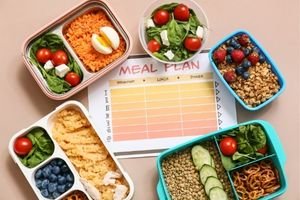
Effective meal prep begins with strategic planning rather than cooking. As a dietitian, I recommend starting with a clear assessment of the upcoming workweek. This includes reviewing work hours, commute time, meetings, workouts, and social commitments. Understanding these factors helps determine how many meals realistically need to be prepared in advance. Over-planning often leads to food waste and burnout, while under-planning increases reliance on outside food. A strategic plan includes meals that share common ingredients to simplify shopping and cooking. Nutritional balance must be prioritized, ensuring each meal contains adequate protein, complex carbohydrates, healthy fats, and fiber. Variety in flavors, textures, and cuisines is essential to prevent food boredom and maintain long-term adherence. Strategic planning transforms meal prep into an efficient and sustainable habit rather than an overwhelming task.
Key principles of effective meal planning:
- Review your weekly schedule honestly
- Decide which meals require prep in advance
- Choose recipes with overlapping ingredients
- Focus on balance rather than perfection
- Allow flexibility for changes during the week
WEEKEND MEAL PREP AND DECISION FATIGUE: WHY PLANNING AHEAD SAVES MENTAL ENERGY

Decision fatigue refers to the mental exhaustion that occurs after making too many decisions throughout the day. In a typical workday, individuals make hundreds of decisions related to tasks, communication, and problem-solving. Adding repeated food decisions to this load increases stress and reduces willpower. Weekend meal prep removes a significant portion of daily decision-making by pre-determining meals in advance. From a behavioral nutrition perspective, reducing decision fatigue increases the likelihood of maintaining healthy habits. When healthy meals are readily available, individuals are less tempted to make impulsive food choices. This preservation of mental energy improves productivity, emotional balance, and overall well-being. Meal prep essentially automates nutrition decisions, allowing the brain to focus on higher-priority tasks during the workweek.
Benefits of reducing decision fatigue through meal prep:
- Conserves mental energy during busy days
- Reduces impulsive and emotional eating
- Improves adherence to healthy eating habits
- Enhances work performance and focus
- Supports long-term lifestyle consistency
BUILDING A NUTRITIONALLY BALANCED MEAL: THE FOUNDATION OF EFFECTIVE MEAL PREP

One of the most critical aspects of successful weekend meal prep is ensuring that every prepared meal is nutritionally balanced. From a professional dietitian’s perspective, balanced meals are essential not only for physical health but also for mental performance and emotional stability during demanding workdays. A balanced meal provides steady energy, prevents extreme hunger, and supports optimal digestion. When meals lack balance, individuals often experience fatigue, cravings, bloating, and reduced concentration. Weekend meal prep allows you to intentionally design meals that meet your body’s nutritional needs rather than relying on convenience foods. Each meal should be planned with macronutrient balance in mind, ensuring the right proportions of protein, carbohydrates, and fats, along with adequate fiber and micronutrients. This structure supports sustained productivity and reduces the likelihood of unhealthy snacking during the workday.
Why balanced meals are essential in meal prep:
- Provide long-lasting energy throughout the workday
- Prevent blood sugar spikes and crashes
- Reduce frequent hunger and cravings
- Support digestion and gut health
- Improve focus, mood, and work performance
THE ROLE OF PROTEIN IN WEEKEND MEAL PREP FOR WORKING PROFESSIONALS

Protein is a cornerstone of any well-planned meal prep strategy. As a dietitian, I emphasize protein because it plays a vital role in muscle repair, immune function, hormone production, and appetite regulation. During busy workweeks, inadequate protein intake often leads to constant hunger, low energy, and increased snacking. Including sufficient protein in meal prep helps maintain satiety for longer periods, reducing the temptation to reach for unhealthy snacks. Protein also slows digestion, which supports stable blood sugar levels and sustained mental clarity. In weekend meal prep, protein sources should be chosen based on digestibility, convenience, and variety. Preparing protein in advance ensures that meals remain nutritionally complete even on the busiest days.
Protein-focused meal prep guidelines:
- Include a protein source in every main meal
- Rotate plant and animal protein options
- Choose easily digestible cooking methods
- Avoid excessive frying or heavy sauces
- Portion protein according to individual needs
COMPLEX CARBOHYDRATES: THE PRIMARY ENERGY SOURCE FOR A PRODUCTIVE WORKWEEK

Carbohydrates are often misunderstood, but they are essential for energy, especially for working professionals who require sustained mental focus. From a dietitian’s perspective, the quality of carbohydrates matters far more than quantity. Complex carbohydrates digest slowly, providing steady glucose to the brain and muscles. During meal prep, selecting whole grains, millet, legumes, and starchy vegetables helps prevent energy crashes commonly experienced during long workdays. When carbohydrates are excluded or poorly planned, individuals may feel fatigued, irritable, and unfocused. Weekend meal prep allows for intentional inclusion of high-quality carbohydrates that support both physical endurance and cognitive performance. Balanced carbohydrate intake also supports serotonin production, which positively influences mood and stress management.
Smart carbohydrate choices for meal prep:
- Whole grains such as brown rice and oats
- Millets and quinoa for variety
- Legumes for combined protein and fiber
- Root vegetables like sweet potatoes
- Avoid refined and heavily processed carbs
HEALTHY FATS: SUPPORTING HORMONES, BRAIN FUNCTION, AND SATIETY

Healthy fats are an essential but often neglected component of meal prep. As a dietitian, I stress the importance of including moderate amounts of healthy fats to support hormone regulation, brain health, and nutrient absorption. Fats slow digestion, which enhances satiety and prevents frequent hunger. They also aid in the absorption of fat-soluble vitamins such as A, D, E, and K. In weekend meal prep, healthy fats should be included thoughtfully to avoid excess calories while still providing nutritional benefits. Choosing the right sources and cooking methods ensures meals remain nourishing without becoming heavy or difficult to digest. Healthy fats also enhance flavor, making meal prep meals more enjoyable and satisfying.
Recommended healthy fat sources:
- Nuts and seeds in controlled portions
- Olive oil and cold-pressed oils
- Avocado and nut butters
- Fatty fish for omega-3s
- Avoid trans fats and excessive frying
THE IMPORTANCE OF FIBER AND VEGETABLES IN MEAL PREP

Fiber plays a crucial role in digestion, gut health, and long-term disease prevention. From a dietitian’s viewpoint, fiber-rich meals are essential for maintaining regular bowel movements and supporting a healthy gut microbiome. Vegetables provide fiber along with antioxidants, vitamins, and minerals that protect against inflammation and chronic stress. In weekend meal prep, vegetables should form a significant portion of each meal. Including a variety of colors ensures a broader range of nutrients. Fiber also slows digestion, which contributes to blood sugar stability and prolonged satiety. Individuals who consistently consume fiber-rich meals report better digestion, reduced bloating, and improved energy levels throughout the day.
Fiber-focused meal prep tips:
- Fill at least half the plate with vegetables
- Include both raw and cooked vegetables
- Rotate colors for nutrient diversity
- Add legumes and whole grains for fiber
- Increase fiber gradually to avoid discomfort
PORTION CONTROL: HOW WEEKEND MEAL PREP PREVENTS OVEREATING

Portion control is one of the most underrated benefits of weekend meal prep. In unplanned eating situations, portion sizes often become excessive, leading to discomfort, lethargy, and weight gain. As a dietitian, I recommend portioning meals in advance to align intake with actual nutritional needs. Pre-portioned meals reduce the likelihood of overeating while also preventing under-eating, which can lead to energy crashes and cravings. Portion control through meal prep encourages mindful eating by removing guesswork. Over time, individuals develop a better understanding of hunger and fullness cues. This structured approach promotes a healthier relationship with food without the need for strict calorie counting.
Portion control advantages:
- Prevents excessive calorie intake
- Reduces digestive discomfort
- Supports stable energy levels
- Improves body awareness
- Encourages mindful eating habits
WEEKEND MEAL PREP FOR ENERGY, METABOLISM, AND DIGESTIVE HEALTH

Consistent meal timing and balanced nutrition play a significant role in metabolic efficiency and digestive comfort. Weekend meal prep helps regulate eating schedules, which supports circadian rhythm and hormone balance. From a dietitian’s perspective, irregular meals disrupt digestion and metabolism, leading to bloating, fatigue, and poor nutrient absorption. Pre-prepared meals encourage regular eating intervals, improving digestive enzyme activity and gut motility. Stable metabolism supports energy production and weight management over time. Weekend meal prep is particularly beneficial for individuals with sensitive digestion, as home-cooked meals allow better control over ingredients and cooking methods.
Health benefits supported by meal prep:
- Improved digestion and gut health
- Enhanced metabolic efficiency
- Reduced bloating and discomfort
- Better nutrient absorption
- More consistent energy levels
TIME-SAVING COOKING SYSTEMS: HOW TO MEAL PREP WITHOUT SPENDING YOUR ENTIRE WEEKEND

One of the most common concerns people have about weekend meal prep is the fear that it will consume their entire weekend. From a dietitian’s professional experience, meal prep becomes overwhelming only when it is unstructured. When approached with a system, it actually saves time and energy. The key is to focus on efficiency rather than complexity. Cooking multiple meals does not mean preparing multiple recipes from scratch. Instead, it involves batch cooking core ingredients that can be mixed and matched throughout the week. For example, cooking grains, roasting vegetables, and preparing proteins simultaneously reduces total kitchen time. Using modern kitchen appliances significantly cuts down active cooking time and mental effort. A time-efficient meal prep system allows you to enjoy the benefits of healthy eating without sacrificing rest and personal time.
Dietitian-approved time-saving strategies:
- Batch cook grains, lentils, and proteins together
- Use pressure cookers, slow cookers, or air fryers
- Prepare base recipes that can be reused differently
- Cook once, eat multiple times
- Limit the number of recipes per prep session
BATCH COOKING: THE BACKBONE OF SUCCESSFUL WEEKEND MEAL PREP

Batch cooking is one of the most powerful tools in weekend meal prep. It involves preparing large quantities of staple foods that form the foundation of multiple meals. From a nutrition standpoint, batch cooking ensures consistency in nutrient intake throughout the week. It also reduces daily cooking stress and prevents reliance on outside food. When staple foods are already prepared, assembling meals becomes quick and effortless. Batch cooking also helps maintain portion control, as food can be divided into planned servings immediately after cooking. This method is particularly beneficial for working professionals with unpredictable schedules. When batch cooking is done thoughtfully, it supports both nutritional adequacy and long-term adherence to healthy eating habits.
Best foods for batch cooking:
- Cooked whole grains and millets
- Lentils, beans, and chickpeas
- Roasted or steamed vegetables
- Grilled or baked protein sources
- Simple sauces and dressings
MEAL ASSEMBLY STRATEGY: TURNING PREP INTO VARIETY

One of the biggest myths about meal prep is that it leads to boring, repetitive meals. As a dietitian, I strongly emphasize meal assembly rather than repetitive cooking. When base ingredients are prepared in advance, they can be combined in different ways to create variety. For example, the same cooked vegetables can be used in grain bowls, wraps, salads, or stir-fries. Changing seasonings, sauces, and textures significantly alters flavor profiles. This approach keeps meals interesting while still being efficient. Variety is essential for long-term sustainability, as food boredom is one of the main reasons people abandon meal prep. Strategic assembly allows flexibility without compromising nutrition.
Ways to create variety from prepped food:
- Use different herbs, spices, and sauces
- Change textures (grilled, sautéed, raw)
- Combine ingredients in new formats
- Rotate cuisines (Asian, Mediterranean, local)
- Alternate hot and cold meals
FOOD STORAGE, SAFETY, AND SHELF-LIFE: A DIETITIAN’S NON-NEGOTIABLE RULES

Food safety is a critical aspect of weekend meal prep that directly impacts health. Improper storage can lead to food spoilage and foodborne illness. As a dietitian, I emphasize that healthy food must also be safe food. Cooked meals should be cooled quickly and stored in airtight containers to minimize bacterial growth. Using high-quality storage containers helps maintain freshness and taste. Labeling containers with preparation dates prevents accidental consumption of expired food. Understanding shelf-life guidelines ensures meals remain safe and nutritious throughout the week. Proper storage practices protect both your health and the time invested in meal prep.
Essential food safety practices:
- Cool cooked food before refrigerating
- Use airtight, food-safe containers
- Store meals at correct temperatures
- Label meals with preparation dates
- Reheat food thoroughly before eating
REFRIGERATION VS FREEZING: HOW TO EXTEND MEAL PREP LIFE

Understanding when to refrigerate and when to freeze meals is essential for effective meal prep. Refrigeration is ideal for meals that will be consumed within three to four days. Freezing, on the other hand, extends shelf life and reduces food waste. From a dietitian’s standpoint, freezing meals does not significantly reduce nutritional value when done correctly. Freezing allows you to prepare larger batches without pressure to consume everything quickly. It also provides backup meals for unexpected busy days. Proper freezing techniques preserve texture, flavor, and nutritional quality. This strategy adds flexibility and reliability to your meal prep routine.
Smart storage guidelines:
- Refrigerate short-term meals
- Freeze meals meant for later in the week
- Freeze in portion-sized containers
- Avoid repeated thawing and refreezing
- Thaw food safely before reheating
WEEKEND MEAL PREP AND LONG-TERM WEIGHT MANAGEMENT

Weekend meal prep plays a significant role in sustainable weight management. From a dietitian’s perspective, weight-related challenges often stem from inconsistent eating patterns rather than overeating alone. Meal prep promotes regular meals, balanced nutrition, and portion awareness. This consistency prevents extreme hunger, binge eating, and metabolic slowdown. Unlike restrictive diets, meal prep supports gradual and sustainable progress. Over time, individuals experience improved body composition, better energy levels, and reduced cravings. Meal prep aligns nutrition with lifestyle, making weight management more realistic and maintainable.
How meal prep supports healthy weight management:
- Encourages regular, balanced meals
- Reduces impulsive food choices
- Supports portion control
- Prevents extreme hunger cycles
- Promotes sustainable habits
FINANCIAL AND LIFESTYLE BENEFITS OF WEEKEND MEAL PREP

Beyond health, weekend meal prep offers significant financial and lifestyle advantages. Preparing meals at home is more cost-effective than eating out or ordering food frequently. From a dietitian’s experience, financial stress often contributes to poor food choices. Meal prep helps manage food budgets while improving food quality. It also reduces daily stress related to cooking, grocery shopping, and decision-making. Over time, individuals gain confidence in managing their nutrition independently. Meal prep supports a balanced lifestyle by freeing up mental and emotional energy during the workweek.
Additional benefits of meal prep:
- Reduces food expenses
- Minimizes food waste
- Saves weekday time
- Improves lifestyle organization
- Builds long-term self-discipline
MAKING WEEKEND MEAL PREP A SUSTAINABLE LIFESTYLE HABIT

Sustainability is the ultimate goal of any nutrition strategy. Weekend meal prep should support your life, not control it. As a dietitian, I encourage starting small and building consistency gradually. Meal prep does not have to be perfect or rigid. Some weeks may be more structured than others, and that is completely normal. Flexibility allows meal prep to adapt to changing schedules and life demands. Over time, this habit becomes second nature. When meal prep aligns with personal preferences, culture, and routine, it becomes a lifelong tool for health and well-being.
Tips for long-term success:
- Start with simple meals
- Adjust prep according to your schedule
- Avoid perfectionism
- Keep meals enjoyable
- Focus on consistency, not control
Conclusion
Weekend meal prep is more than just cooking in advance—it is a strategic approach to simplify nutrition, reduce weekday stress, and maintain overall health. By dedicating a few hours on the weekend to plan, cook, and portion meals, individuals create a structured food environment that supports balanced eating, portion control, and consistent energy throughout the week. This proactive approach minimizes the daily stress of deciding what to eat, prevents impulsive food choices, and helps maintain stable blood sugar and mood.
From a dietitian’s perspective, meal prep is not about rigid rules or eating the same thing every day; it is about creating flexibility, variety, and convenience in your nutrition routine. Properly planned meals ensure that protein, carbohydrates, healthy fats, and fiber are included in every meal, supporting not only physical health but also mental clarity, productivity, and long-term weight management. Additionally, it encourages mindfulness around food, enhances digestive health, and reduces reliance on takeout or processed meals, which often compromise both health and finances.
Ultimately, weekend meal prep is a tool for empowerment. It allows working professionals to take control of their nutrition, save time, lower stress, and enjoy meals that are both satisfying and nourishing. When practiced consistently, this simple habit can transform your workweek, improve your relationship with food, and lay the foundation for long-term wellness. Investing a few hours over the weekend is a small effort for a week filled with better health, higher energy, and stress-free eating.
FAQs
- What is weekend meal prep and why it is important?
Weekend meal prep is the practice of planning, preparing, and portioning meals in advance for the workweek. It is important because it reduces daily stress, ensures consistent nutrition, supports portion control, and prevents impulsive eating. Meal prep helps maintain stable energy levels and supports long-term health and productivity.
2. How many meals should i prepare for the week?
The number of meals depends on your schedule, lifestyle, and eating habits. Typically, prepping 5–7 lunches and dinners plus snacks is sufficient for most working professionals. Breakfasts can also be prepped if you prefer quick options like overnight oats, smoothies, or egg muffins.
3. Can weekend meal prep help with weight management?
Yes. Meal prep encourages portion control, balanced nutrition, and consistent eating patterns, which are key factors in weight management. It reduces the temptation to overeat, minimizes unhealthy snacking, and supports sustainable, long-term weight goals without restrictive dieting.
4. How do I keep prepped meals fresh throughout the week?
Use airtight containers, refrigerate meals that will be consumed within 3–4 days, and freeze meals for later use. Label containers with preparation dates, cool food before storing, and reheat properly before eating to maintain safety, taste, and nutritional quality.
5. What foods are best for meal prepping?
Ideal foods include:
Proteins: chicken, fish, tofu, lentils, beans
Carbohydrates: brown rice, quinoa, oats, whole grains
Vegetables: a variety of fresh or roasted veggies
Healthy fats: avocado, nuts, olive oil
Snacks: cut fruits, yogurt, nuts, hummus
6. How can I avoid boring meals during meal prep?
Meal variety is key. Change seasonings, sauces, or cooking methods. Mix base ingredients into different dishes—e.g., roasted vegetables in salads, wraps, or stir-fries. Rotating flavors, colors, and cuisines keeps meals interesting and sustainable long-term.
7. Can meal prep save time during a busy workweek?
Absolutely. Preparing meals in advance reduces the need for daily cooking, shortens lunch prep time, and eliminates last-minute decisions about what to eat. Using batch cooking, pre-chopped vegetables, and multi-use proteins can save hours every week.
8. Is meal prep suitable for everyone?
Yes. Meal prep can be customized for any lifestyle, dietary requirement, or schedule. Whether you are vegetarian, vegan, gluten-free, or following specific macronutrient goals, planning ahead makes healthy eating more convenient and sustainable.
9. How do I prevent food waste with meal prep?
Plan meals according to your consumption needs, use overlapping ingredients across multiple meals, store food properly, and freeze extras. Reusing cooked bases in different dishes reduces waste and maximizes the value of ingredients.
10. How long does it take to meal prep on weekends?
Meal prep typically takes 2–4 hours, depending on the number of meals and complexity. With practice and efficient systems like batch cooking, using kitchen appliances, and pre-chopping vegetables, the process becomes faster and less stressful.